Tania Cibulskis is the founder, formulator, and CEO of Scenturie Natural Skincare. As a NZ registered health professional with over 25 years of experience, she combines her deep knowledge of science with a passion for New Zealand's natural botanicals. Her mission is to create high-performance, plant-derived skincare that is ethical, sustainable, and free from harsh chemicals.
As the leaves change colour and the air grows cooler, it’s time to transition your skincare routine to adapt to the seasonal changes. Autumn brings cooler temperatures and lower humidity levels, which can impact your skin’s moisture levels and overall health.
Here’s how cold weather affects our skin cells:
Decreased sebum production: Cold weather can lead to a decrease in the production of sebum, the skin’s natural oil. This reduction in sebum can result in drier skin as the lipid barrier, which helps retain moisture, is compromised.
Impaired barrier function: Cold temperatures and low humidity levels can weaken the skin’s barrier function. This makes the skin more vulnerable to moisture loss and environmental aggressors, such as wind and pollutants, leading to increased dryness, irritation, and sensitivity.
Reduced cell turnover: Cold weather can slow down the rate of cell turnover in the skin. This means that dead skin cells may accumulate more quickly, leading to a dull complexion and potentially clogged pores.
Decreased blood circulation: Cold temperatures can cause vasoconstriction, a narrowing of blood vessels, in the skin. This reduces blood flow to the skin’s surface, resulting in a pale or bluish appearance and potentially impairing the delivery of oxygen and nutrients to skin cells.
Increased inflammation: Exposure to cold weather can trigger inflammation in the skin, leading to redness, itching, and irritation. This inflammatory response can exacerbate conditions such as eczema, psoriasis, and rosacea.
To keep your complexion radiant and hydrated throughout the cooler months, here are some essential skincare tips to incorporate into your routine.
1. Moisture is Key
Cooler temperatures, lower humidity levels, and indoor heating can weaken the skin’s barrier function. This makes the skin more vulnerable to moisture loss and environmental aggressors, such as wind and pollutants, leading to increased dryness, irritation, and sensitivity. Switch to a richer moisturiser to provide your skin with the hydration it needs. Look for ingredients like hyaluronic acid, shea butter, squalane, and glycerin to lock in moisture and strengthen your skin’s barrier.
Suggested Products
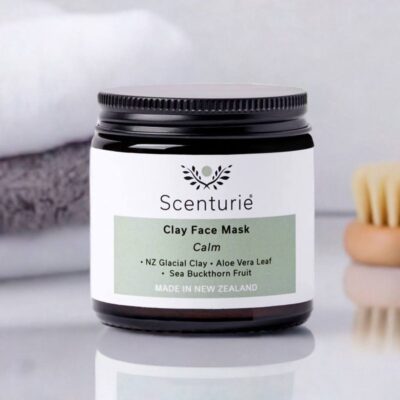
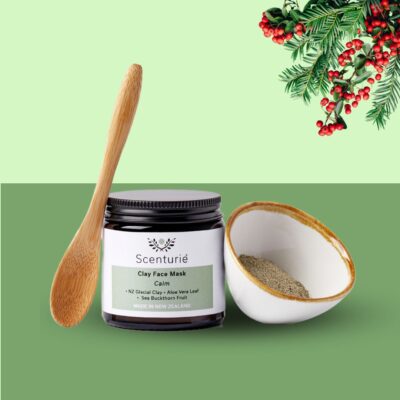
“Clay Face Mask – Calm” has been added to your cart. View cart
Just because summer is over doesn’t mean you can skip the sunscreen. UV rays are still present year-round, and they can cause damage to your skin, leading to premature aging and even skin cancer. Opt for a broad-spectrum sunscreen with an SPF of at least 30, and remember to reapply throughout the day, especially if you spend a lot of time outdoors.
3. Exfoliate Regularly
The cooler weather can slow down the rate of cell turnover in the skin. This means that dead skin cells may accumulate more quickly, leading to a dull complexion and potentially clogged pores and breakouts. Incorporate a gentle exfoliator into your skincare routine to slough away dead skin cells and reveal smoother, brighter skin underneath. However, be mindful not to over-exfoliate, as this can cause irritation and inflammation.
Antioxidants play a crucial role in protecting your skin from environmental damage and neutralising free radicals that can contribute to signs of ageing. Incorporate products rich in antioxidants, such as bakuchiol, co-enzyme Q10, vitamin C, and green tea extract, to help combat oxidative stress and keep your skin looking youthful and radiant.
Select options
This product has multiple variants. The options may be chosen on the product page
5. Stay Hydrated
Hydrating your skin from the inside out is just as important as topical skincare. Make sure to drink plenty of water throughout the day to maintain your skin’s moisture levels and support overall hydration. Herbal teas and hydrating foods like fruits and vegetables can also contribute to your daily fluid intake.
6. Adjust Your Cleansing Routine
Consider switching to a gentler cleanser that won’t strip your skin of its natural oils. Look for creamy or hydrating formulas that will effectively cleanse your skin without leaving it feeling tight or dry. Additionally, you may want to incorporate a toner into your routine, especially if you wear heavier makeup or sunscreen.
Select options
This product has multiple variants. The options may be chosen on the product page
7. Treat Seasonal Skin Concerns
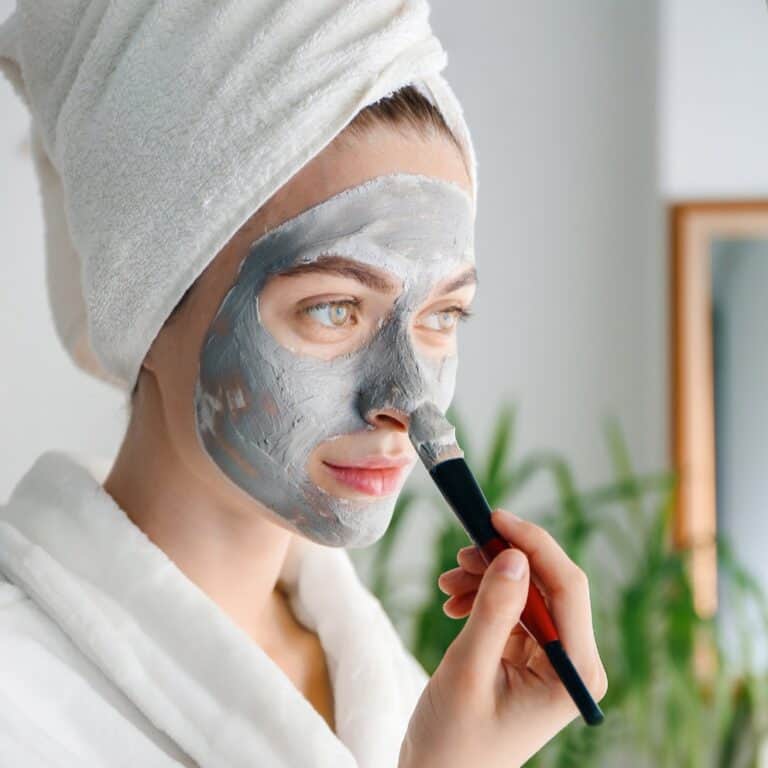
Autumn can bring its own set of skincare challenges, such as increased sensitivity and redness. Treat any seasonal skin concerns with targeted treatments, such as soothing face masks or calming serums. Ingredients like aloe vera, bentonite clay, and bakuchiol can help alleviate irritation and promote healing. Treat your skin to a weekly hydrating mask to replenish moisture and revive dull, tired-looking skin. Use masks as an opportunity for self-care and relaxation, allowing your skin to reap the benefits of nourishing ingredients.
Select options
This product has multiple variants. The options may be chosen on the product page
By following these essential skincare tips, you can ensure that your complexion stays healthy, hydrated, and radiant throughout the autumn season. Embrace the change in weather by adjusting your skincare routine accordingly, and enjoy all that this beautiful season has to offer.
Our skin is a remarkable organ, often taken for granted despite its incredible capabilities. From protecting us against external threats to serving as a canvas for our expressions, our skin stands as a steadfast companion, accompanying us through every triumph and tribulation.
A natural marvel of our skin is that every 28 days the skin’s natural renewal process occurs bringing forth fresh, healthy, glowing skin cells. However, as we age, this process slows down, resulting in a buildup of dead skin cells that can make the skin appear dull, rough, and dry.
We can assist our skin in removing the build-up of dead skin cells with regular exfoliation. Exfoliation is the process of removing dead skin cells from the surface of the skin, typically through the use of a scrub or chemical exfoliant. Exfoliating is an important part of a good skincare routine, and it offers a wide range of benefits for the skin. By removing dead skin cells, unclogging pores, and promoting cell regeneration, exfoliation helps to reveal smoother, brighter, and healthier-looking skin.
The Benefits of Exfoliating Your Skin
1. Exfoliation removes dead skin cells
The outer layer of our skin is composed of dead skin cells that have accumulated over time. These cells can make our skin look dull, dry, and flaky. Exfoliating helps to remove these dead skin cells, leaving our skin looking smooth, soft, and refreshed. By getting rid of the dead cells, you can also help other skincare products penetrate better, giving you better results from your skincare routine.
2. Exfoliating unclogs pores
Our pores can become clogged with oil, dirt, and dead skin cells, leading to acne, blackheads, and other skin issues. Exfoliating can help to unclog pores, allowing the skin to breathe and preventing the formation of blemishes. Regular exfoliation can also help to reduce the appearance of pores, making your skin look smoother and more even.
3. Exfoliation promotes cell regeneration
Exfoliating stimulates cell regeneration, helping to promote the growth of new, healthy skin cells. This can help to reduce the appearance of fine lines, wrinkles, and other signs of aging, as well as improving the texture and tone of your skin. By promoting cell turnover, exfoliation can also help to improve the appearance of scars and sun damage, giving your skin a more youthful and radiant glow.
4. Exfoliators improve skin texture, tone, and radiance
By removing dead skin cells and promoting cell regeneration, exfoliation can help to reduce the appearance of rough, dry, or uneven skin. This can be especially beneficial for people with dry or mature skin, as it can help to improve the skin’s ability to retain moisture and prevent the signs of aging.
5. Exfoliating enhances product absorption
Exfoliating can help to enhance the absorption of other skincare products, such as serums, moisturisers, and masks. By removing the dead skin cells that can block the pores, exfoliation can help to improve the penetration of active ingredients, allowing them to work more effectively. This can help you get better results from your skincare routine, and make your skin look healthier and more radiant.
6. Exfoliating boosts circulation
Exfoliating can help to boost circulation, which can improve the overall health and appearance of your skin. By increasing blood flow to the skin, exfoliation can help to deliver vital nutrients and oxygen to the cells, helping them to function better and stay healthy. This can help to reduce the appearance of dark circles, puffiness, and other signs of fatigue, giving your skin a brighter, more refreshed look.
7. Exfoliating improves makeup application
Exfoliating removes flaky patches, resulting in smoother skin that enhances the application of makeup. This helps prevent foundation from appearing splotchy, cakey, or settling into fine lines, leading to a more flawless makeup finish.
How Often Should I Exfoliate?
The frequency of exfoliation really depends on your skin type and the type of exfoliant you’re using. For most people, it’s recommended to exfoliate once or twice a week, but those with sensitive skin should stick to once a week or even less frequently. If you’re using a physical exfoliant, such as a scrub or brush, be gentle and avoid over-exfoliating, as this can damage the skin. If you’re using a chemical exfoliant, such as an acid or enzyme, follow the instructions and start with a lower concentration, gradually increasing as your skin becomes accustomed to it. It’s also important to listen to your skin and adjust your exfoliation frequency as needed.
It’s also important to note that exfoliating can be drying to the skin so always follow with a moisturiser immediately afterwards to keep your skin healthy and hydrated. Also, never exfoliate if you have open cuts or wounds, or if your skin is sunburned.
In conclusion, exfoliating is an important part of any skincare routine offering a wide range of benefits for the skin. By removing dead skin cells, unclogging pores, promoting cell regeneration, improving skin texture and tone, enhancing product absorption, and boosting circulation, exfoliation can help you achieve your skincare goals and make your skin look healthier, more radiant, and more youthful. Whether you prefer physical exfoliants, such as scrubs and clay masks, or chemical exfoliants, such as acids and enzymes, incorporating exfoliation into your skincare routine can help you achieve your best skin ever.
Scenturie Natural Skincare Exfoliating Solutions
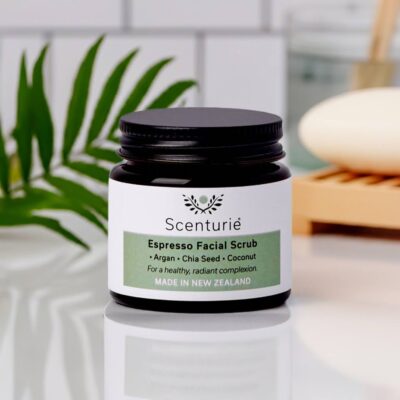
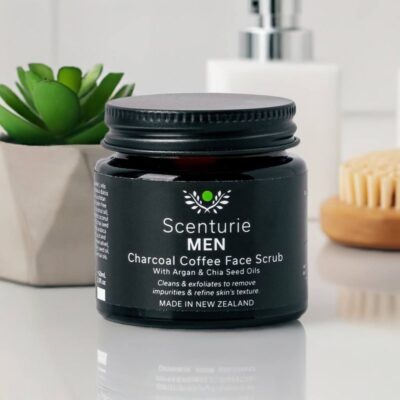
Our Scenturie Natural Skincare range offers a natural solution for gentle, effective exfoliation. Select from our award-winning Expresso Facial Scrub, Men’s Charcoal Coffee Scrub, or Clay Face Mask, and enjoy smoother, healthier, and more radiant healthy skin today.
In the past, a toner was a liquid that was supposed to remove anything left on your skin after cleansing, and restore the skins pH levels. Many toners were astringent (alcohol) based and stripped the natural oils from skin leaving it feeling squeaky clean, but also dry and often irritated. Thank goodness times have changed and nowadays toners are much more sophisticated. Every formula is different and may contain hydrating, antioxidant, anti-inflammatory, or exfoliating ingredients. Many are also alcohol-free, so have less of a drying effect on the skin.
The Benefits of Using a Face Toner
A facial toner can significantly improve your skin health and texture, making it a very valuable addition to your skincare regime. Facial toners can help to remove excess oil, impurities, and makeup left behind after cleansing, as well as balancing skin pH levels. The benefits of face toners go beyond just cleansing though.
A quality facial toner can also help to:
Reduce the appearance of pores.
Tighten and firm the skin.
Hydrate the skin to help prevent dryness and premature aging.
Balance oil production.
Restore hydration levels.
Calm and soothe the skin.
Assist with skin repair and cellular regeneration.
Prep the skin for maximum absorption of serums and moisturisers.
Choosing a natural face toner over one with synthetic ingredients can have additional skin health benefits. Natural face toners are often made using entirely plant-derived ingredients, free from harsh chemicals and artificial fragrances. Such chemicals are often present in commercial toners and can irritate and damage your skin. When you use a natural product, you can avoid these harmful ingredients and enjoy the benefits of natural ingredients instead.
Ingredients To Avoid in a Face Toner
When choosing a face toner, it’s important to be mindful of certain ingredients that may not be suitable for your skin type or could potentially cause irritation or adverse reactions. Here are some ingredients to avoid:
Alcohol: Toners containing high concentrations of alcohol, such as denatured alcohol or SD alcohol, can be drying and irritating to the skin, especially for those with dry or sensitive skin. Look for alcohol-free formulations to avoid stripping your skin’s natural oils.
Harsh acids: Harsh acids such as salicylic acid or glycolic acid, should be avoided if you have dry or sensitive skin, as these acids can cause redness, irritation, and peeling.
Fragrance: Fragrances, whether synthetic or natural, can be sensitising and irritating to the skin, particularly for those with sensitive skin or conditions like eczema or rosacea. Opt for fragrance-free or naturally scented toners to minimize the risk of irritation.
Harsh astringents: Some toners contain harsh astringents like witch hazel or menthol, which can be overly drying and irritating, especially for sensitive or dry skin types. Instead, choose gentle toners with soothing and hydrating ingredients to maintain skin balance.
Artificial colors: Artificial colours or dyes can be unnecessary additives that may cause irritation or allergic reactions, particularly for those with sensitive skin. Look for toners that are free of artificial colours and rely on natural ingredients for their hue.
Sulfates: Sulfates, such as sodium lauryl sulfate (SLS) or sodium laureth sulfate (SLES), are surfactants commonly found in cleansers and toners to create foaming action. However, they can strip the skin of its natural oils and disrupt the skin barrier, leading to dryness and irritation. Opt for sulfate-free toners for a gentler cleansing experience.
Parabens: Parabens are preservatives used in skincare products to prevent bacterial growth and extend shelf life. However, they have been associated with potential health risks and concerns about endocrine disruption. Look for paraben-free toners or products preserved with alternative, safer natural preservatives.
Mineral oil: Mineral oil is a common ingredient in skincare products due to its inexpensive nature and emollient properties. However, it can clog pores and prevent the skin from breathing, leading to breakouts and congestion, particularly for acne-prone or oily skin types. Choose toners formulated with lightweight, non-comedogenic oils or oil-free alternatives.
High concentrations of essential oils: While essential oils can offer various benefits for the skin, they can also be potent and cause irritation or allergic reactions, especially when used in high concentrations. If you have sensitive skin, choose toners with minimal essential oil content or opt for essential oil-free formulations.
By avoiding these ingredients in your face toner, you can minimise the risk of irritation, allergic reactions, and other adverse effects, ensuring that your skincare routine promotes healthy, balanced, and radiant skin.
Ultimately, using a natural face toner with quality, non-irritating ingredients can help to improve the overall health and appearance of your skin, leaving it looking radiant, refreshed, and revitalised.
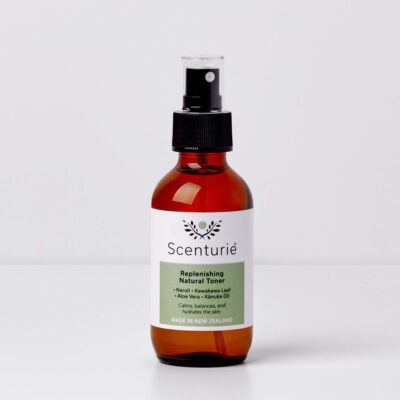
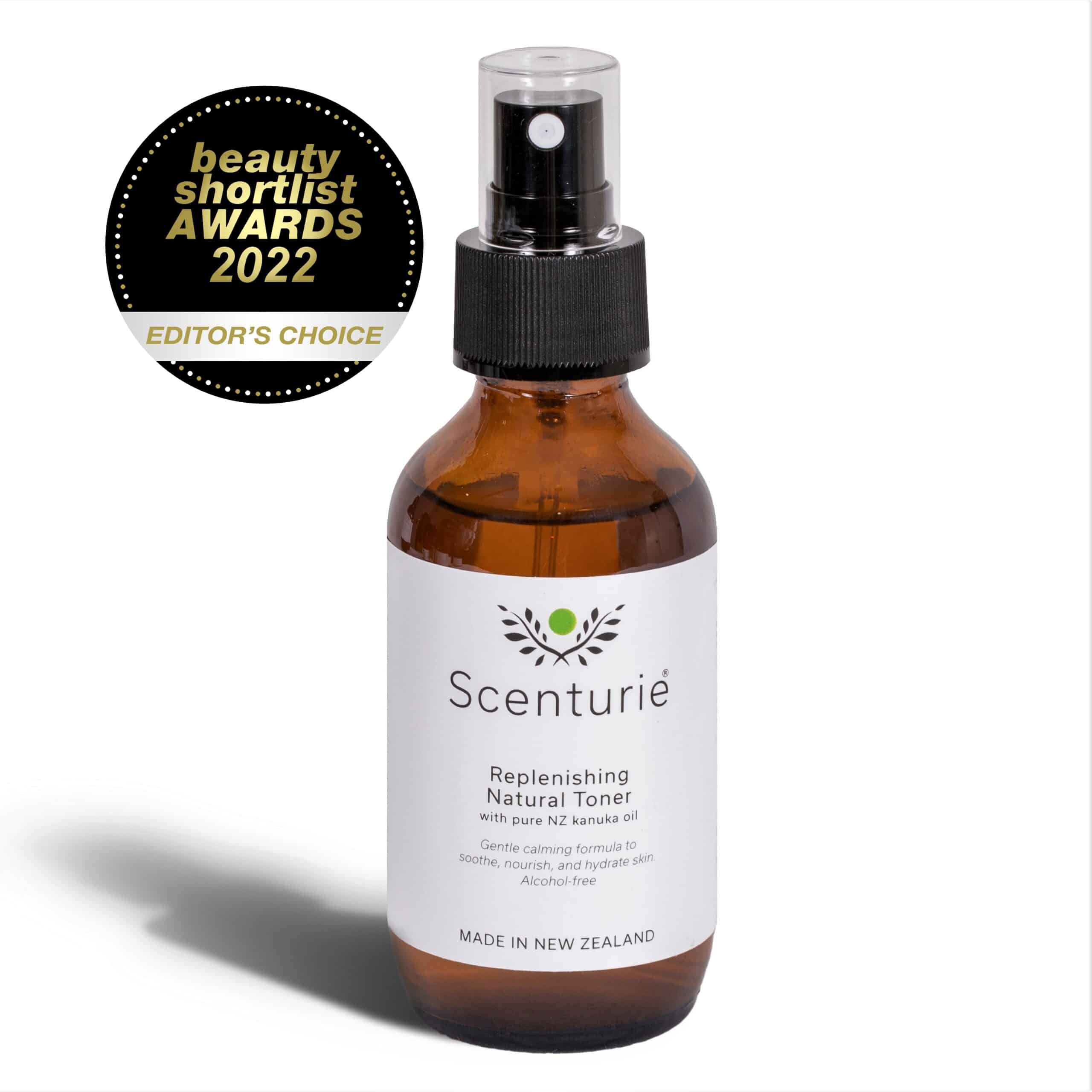
Scenturie Replenishing Natural Toner
Our award-winning Replenishing Natural Toner is the second important step in your natural skincare routine and will leave your skin feeling beautifully hydrated, revitalised and refreshed. It helps to remove the last traces of makeup, excess oil, and impurities after cleansing, and it prepares your skin for effective absorption of subsequent products, such as serums or moisturisers, maximising their effectiveness and ensuring they penetrate deeply into the skin.
Our unique synergistic blend of pure plant ingredients instantly hydrates, balances, and calms the skin restoring the natural balance of moisture.
Key Ingredients
Neroli flower water, produced through the steam distillation of fragrant neroli blossoms from the bitter orange tree, helps to promote a radiant complexion, diminish the appearance of scars and wrinkles, and calm irritated skin. Its exquisite captivating scent is cherished in aromatherapy for its mood-enhancing and stress-relieving properties.
Hyaluronic acid greatly improves skin hydration, stimulates collagen synthesis, and helps with skin cell repair and regeneration. It can hold up to 1000 times its weight in water making it a powerful humectant, keeping your skin moisturised throughout the day.
Palm-freeglycerine locks in essential moisture and provides an instant hydration boost for plumper, smoother skin.
Aloe vera leaf juice is high in antioxidants, vitamins, and enzymes and its anti-inflammatory and hydrating properties allow it to soothe and moisturise the skin. It calms irritated or inflamed skin, reducing redness and discomfort, and balancing oil production.
Fig fruit extract provides collagen-stabilising, skin-hydrating and skin-toning effects.
NZ Kānuka oil, with its enchanting, fresh, herbaceous scent synonymous with the NZ native bush, will help calm your senses and connect you with nature.
How To Use
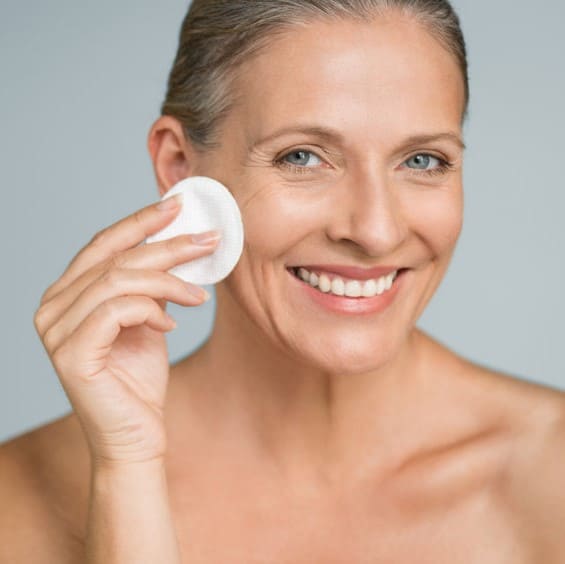
Apply 2-3 sprays to a cotton pad & wipe gently across face, neck, & décolletage. Apply immediately after cleansing with our Natural Creamy Cleanser, or anytime your skin needs a hydration boost. Follow with Scenturie Nourishing Natural Day Cream and SPF, or Scenturie Ultra-Rich Natural Night Cream. Suitable for all skin types including sensitive, ageing, combination, and acne-prone skin.
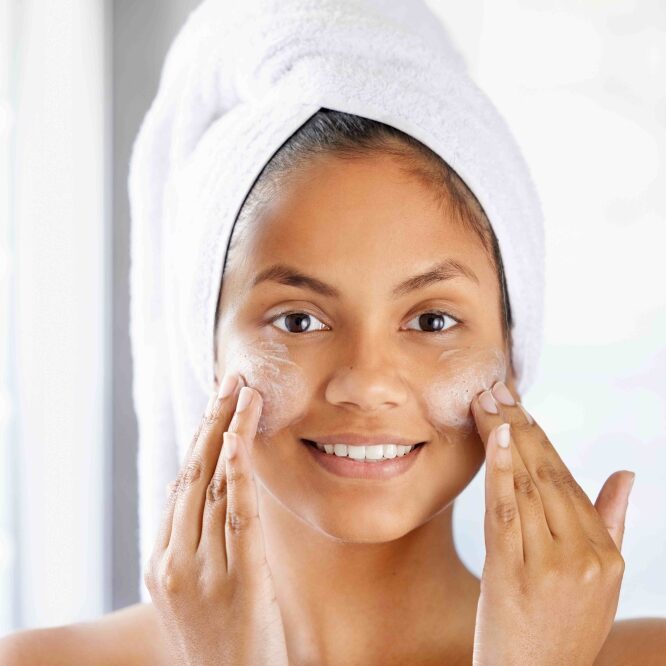
As we all know, cleansing is an essential step in our daily skincare routine and using a face cleanser is important for maintaining healthy and clear skin. Our face is exposed to different environmental pollutants, dirt, and bacteria throughout the day which, along with makeup, can clog our pores and cause breakouts. Cleansers work to remove these impurities and excess oil from our skin, leaving it feeling fresh and clean. Additionally, using a face cleanser can help to improve the effectiveness of other skincare products that you may be using, such as moisturisers and serums. It’s important to choose a cleanser that is suitable for your skin type and to use it consistently as part of your daily skincare routine.
What to Avoid in a Face Cleanser
Everyone’s skin is unique, which is why it’s crucial to choose a face cleanser that is tailored to your specific needs. However, it’s equally important to know what to avoid in a face cleanser to ensure that it does not damage your skin. Using a cleanser with harsh synthetic ingredients, a high pH balance, and a high lather will instantly strip the natural oils from your skin and cause dehydration. When this happens, every product you use afterwards (including your serum and moisturiser) has to do major repair work to put moisture back into the skin. Here are some ingredients and types of cleansers that I recommend avoiding:
1. Harsh detergents: If you have dry or sensitive skin like me, steer clear of cleansers that contain harsh detergents like sodium lauryl sulfate (SLS) and ammonium lauryl sulfate (ALS). These ingredients can strip your skin of its natural oils, leading to dryness, irritation, and even acne.
2. Alcohol-based cleansers: If you have oily skin, you may be tempted to use alcohol-based cleansers to control oil production. However, these types of cleansers can be extremely drying and irritating to the skin.
3. Synthetic fragrances and artificial colors: If you have sensitive skin, avoid using cleansers that contain synthetic fragrances and artificial colors. These ingredients can cause allergic reactions and irritation, leading to dryness and discomfort.
4. Exfoliating cleansers: While exfoliating cleansers can be effective in removing dead skin cells, be cautious when using them, especially if you have sensitive or acne-prone skin. They can be too abrasive and cause further irritation and breakouts.
5. Hot water: Washing your face with hot water, can damage your skin’s natural moisture barrier leading to dryness and irritation. Instead, use lukewarm water to cleanse your face.
The Benefits of Cream Facial Cleansers
Whilst there are many different types of cleansers available on the market, cream facial cleansers have gained popularity in recent years due to the numerous benefits they provide to the skin.
One of the most significant benefits of using a cream cleanser is its ability to moisturise the skin. Unlike other types of cleansers that can strip the skin of its natural oils, cream cleansers work to hydrate and nourish the skin while cleansing it. This makes them an excellent choice for people with dry, sensitive, or mature skin, as they help to prevent dryness and maintain the skin’s natural moisture barrier.
Another advantage of using a cream cleanser is that it is gentle on the skin. Cream cleansers are typically formulated with mild ingredients that are less likely to irritate or inflame the skin. This makes them a great option for people with sensitive or acne-prone skin, as they can help to soothe and calm irritated skin without causing further damage.
Creamy cleansers also offer a luxurious and pampering experience. Their creamy texture feels soft and rich on the skin, making them perfect for a relaxing and indulgent cleansing routine. They often contain natural ingredients that help to calm and soothe the skin while providing a refreshing and rejuvenating cleanse.
In addition to these benefits, cream facial cleansers are also effective at removing makeup and other impurities from the skin. Their creamy texture allows them to dissolve makeup and dirt quickly and easily without leaving any residue behind. This makes them a convenient and effective option for people who wear makeup regularly.
Overall, cream facial cleansers offer a range of benefits for the skin and are an excellent choice for anyone looking for a gentle, moisturising, and effective way to cleanse their skin. Whether you have dry, sensitive, or mature skin, a cream face cleanser can help keep your skin looking and feeling its best.
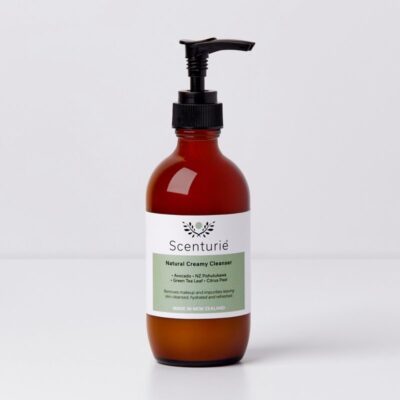
Natural Creamy Cleanser
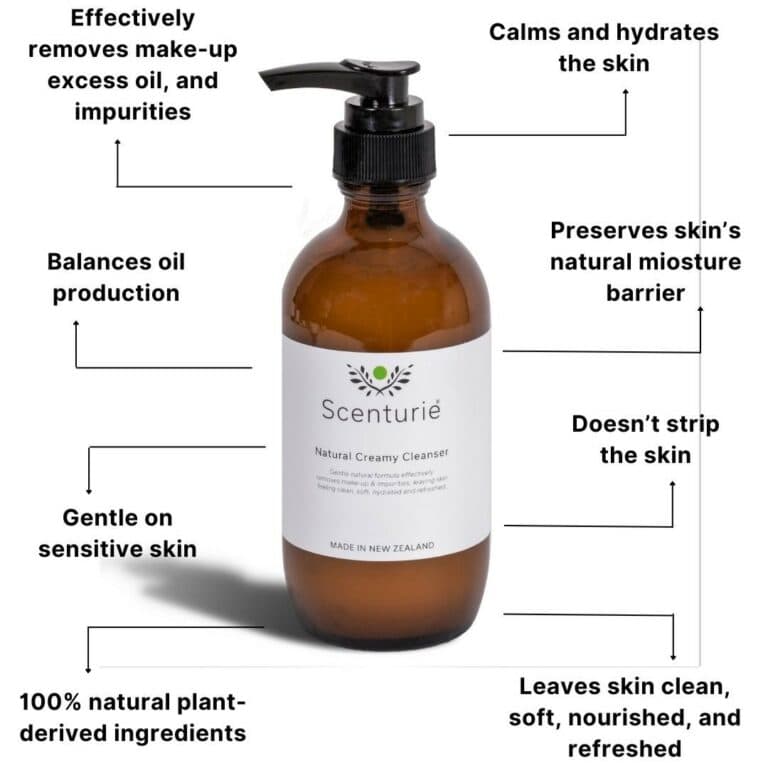
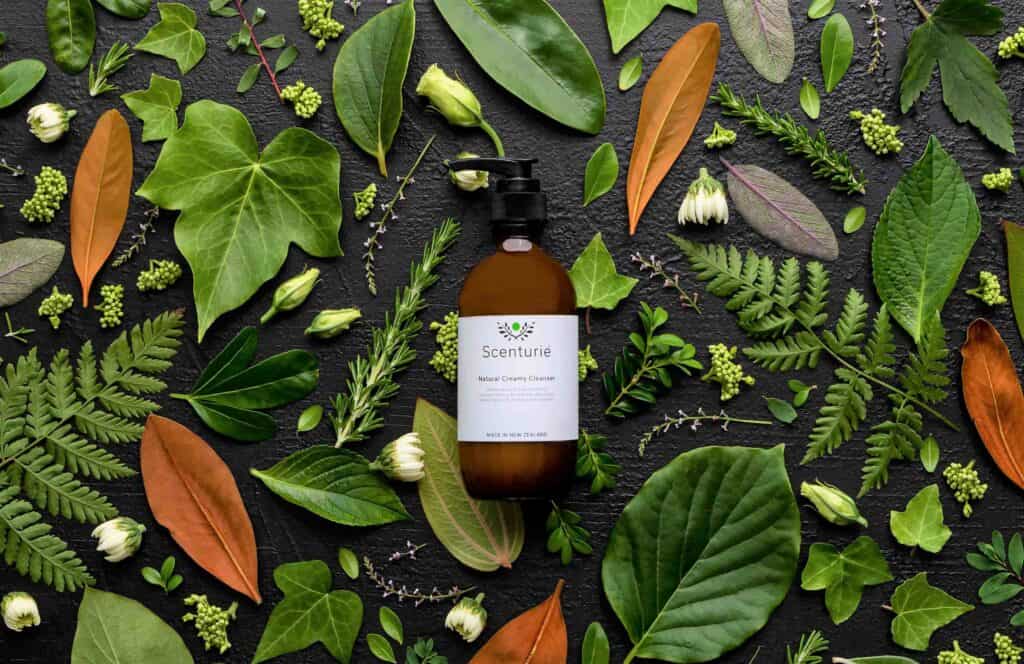
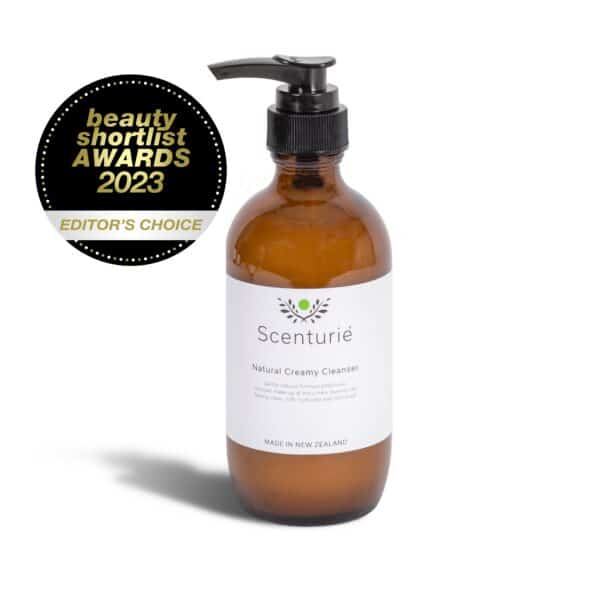
Our award-winning Natural Creamy Cleanser is the first important step in your daily skincare routine. It gently and effectively removes all traces of makeup, impurities, and excess oil from the skin preserving the skin’s natural moisture barrier without stripping it of moisture. It balances oil production while calming and hydrating the skin and leaves skin feeling clean, soft, nourished, and refreshed.
Our 100% natural formulation contains a selection of premium plant-derived ingredients, including NZ avocado oil, sweet almond oil, grape seed oil, and apricot kernel oil, renowned for their regenerating, rejuvenating, hydrating, and moisturising qualities. Pohutukawa bark and green tea leaf extracts have been selected for their powerful antioxidant, antimicrobial, and anti-inflammatory benefits.
Are you tired of chemical-laden skincare products that promise miracles but deliver disappointment? It’s time to unlock the secrets of natural skincare and embrace a healthier and more sustainable approach to beauty. Say goodbye to harsh ingredients and hello to the power of nature.
In today’s world, where we are more conscious about what we put into our bodies, it’s equally important to consider what we put onto our skin. Natural skincare, free from harmful chemicals and synthetic additives, offers a gentle yet effective solution for all skin types. It harnesses the power of plants, botanical extracts, and essential oils to nourish, hydrate, and rejuvenate our skin.
Not only are natural skincare products kinder to the environment, but they also deliver powerful results. From soothing sensitive skin to reducing signs of ageing, these products are packed with antioxidants, vitamins, and minerals that promote healthy skin from within.
So, why wait? It’s time to ditch the chemicals and unlock the secrets of natural skincare. Discover the transformative benefits of going natural and embrace a skincare routine that is as good for your skin as it is for the planet.
The dangers of chemical skincare products
Chemical skincare products have become the norm in today’s beauty industry. However, what many people fail to realise is the potential harm these products can cause to our skin and overall health. The long list of ingredients, most of which are unpronounceable, can be overwhelming and confusing.
One of the biggest concerns with chemical skincare products is the use of synthetic additives and preservatives. These ingredients can strip the skin of its natural oils, leading to dryness, irritation, and even breakouts. Additionally, many chemicals commonly found in skincare products have been linked to hormone disruption and other serious health issues.
Common natural skincare ingredients and their benefits
Natural skincare, on the other hand, offers a safe and effective alternative to chemical-laden products. By harnessing the power of nature, these products provide a plethora of benefits for our skin and overall well-being.
One of the key benefits of natural skincare is its ability to nourish and hydrate the skin without causing any harm. Natural ingredients like aloe vera, shea butter, and jojoba oil are rich in vitamins and antioxidants that help to moisturise and protect the skin. These ingredients also have anti-inflammatory properties, making them ideal for sensitive skin.
Another advantage of natural skincare is its ability to address specific skin concerns. Whether you’re dealing with acne, fine lines, or hyperpigmentation, there’s a natural ingredient that can help. For example, tea tree oil is known for its antibacterial properties and can help treat acne-prone skin, while rosehip oil is packed with antioxidants that promote a youthful complexion.
How to transition to a natural skincare routine
When it comes to natural skincare, there is a wide range of ingredients to choose from. Each ingredient has its own unique set of benefits, making it important to understand what works best for your skin type and concerns.
Aloe Vera: Known for its soothing and healing properties, aloe vera is a popular ingredient in natural skincare. It helps to calm inflammation, promote cell regeneration, and moisturise the skin.
Coconut Oil: Coconut oil is a versatile ingredient that can be used for both skincare and haircare. It is deeply moisturising and can help to improve the skin’s elasticity and suppleness.
Hyaluronic Acid: This natural ingredient is a powerhouse when it comes to hydration. It is able to hold up to 1,000 times its weight in water, making it an excellent choice for dry and dehydrated skin.
Creating a natural skincare routine for different skin types
Transitioning to a natural skincare routine may seem overwhelming, especially if you’re used to using chemical products. However, with a few simple steps, you can make the switch and start reaping the benefits of natural skincare.
Educate Yourself: Start by learning about the harmful ingredients commonly found in skincare products. This will help you make informed decisions when choosing natural alternatives.
Read Labels: When shopping for skincare products, always read the labels carefully. Look for products that are free from sulfates, parabens, phthalates, and other harmful chemicals.
Start with the Basics: Begin your natural skincare journey by incorporating a gentle cleanser, toner,moisturiser, and sunscreen into your routine. These four products are the foundation of any skincare routine.
Conclusion: Embracing the power of natural skincare
Once you’ve established a natural skincare routine, it’s important to maintain it for optimal results. Here are a few tips to help you stay on track:
Consistency is Key: Stick to your skincare routine and be patient. Natural products may take longer to show results, but they are worth the wait.
Avoid Overloading: Don’t overdo it with too many products. Keep your routine simple and focus on the essentials.
Protect Your Skin: Always wear sunscreen, even on cloudy days. This will protect your skin from harmful UV rays and prevent premature aging.
Worldwide plastic pollution is creating an environmental crisis that is believed will be as serious as climate change. One of the biggest contributors to plastic waste is the beauty and personal care industry. With endless plastic bottles and containers dominating every retail space imaginable worldwide, more than 70% of this plastic will end up in landfill or our oceans.
However, WE are the ones who decide whether to buy these plastic packaged products or whether to choose non-plastic options. We are responsible for choosing the waste we purchase, it starts with us and it ends with us.
Read on to learn why plastic-free packaging in beauty and personal care products matters.
Plastic In The Beauty & Personal Care Industry
Life Before Plastic Packaging
In the not-so-distant past personal care items did not involve plastic packaging. Soaps came in bar form. Perfumes, a symbol of luxury, were packaged in elaborate glass containers. Hair-care products were powders or pomades packaged in tins or jars. The personal care industry was established during the 1920’s and exploded with the rise of Hollywood movies and the invention of American glamour and beauty standards. During the mid-20th century the plastic industry took off and the personal care industry jumped on board. Plastic was popular as it was cheap, light, flexible, easily moulded and easily transported.
Plastic Packaging Today
Today, plastic packaged beauty and personal care products fill entire aisles of supermarkets and beauty stores worldwide with more than 70% of that waste ending up in landfills or our oceans. According to a 2017 Science Advances paper 8.3 billion tonnes of virgin plastic has been produced worldwide to date and of this only 9% has been recycled, with 12% being incinerated, and 79% ending up in landfill or the natural environment. Plastic can often only be recycled once or twice into a new plastic product due to the break-down of its polymers during the recycling process, and many plastics are not recycled because the process is expensive, complicated and the resulting product is of lower quality than what you put in.
If current production and waste management trends continue, roughly 12 billion tonnes of plastic waste will be in landfills or in the natural environment by 2050.
Plastic is so firmly embedded in the modern supply chain that reducing or eliminating plastic packaging is a monumentous challenge that will take a concerted effort across companies of all sizes to make a change.
Key Reasons Why Plastic-Free Packaging Matters:
1.Environmental Impact
Plastic packaging is a major contributor to environmental pollution with more than 12.7 million tonnes of plastic entering our oceans every year. Plastics take hundreds of years to decompose, and when they do, they release harmful chemicals into the soil and water. Plastic waste also poses a significant threat to wildlife, as animals can mistake it for food or become entangled in it.
Plastic gradually breaks down into tiny particles that remain in the ocean as microscopic pollutants to be ingested by sea birds, fish, and other organisms. Experts warn that some of it is already finding its way into the human food chain and we have no idea of the scale of health implications this will cause.
By avoiding plastic packaging wherever possible and choosing instead to purchase products packaged in glass, aluminium, cardboard, or other environmentally friendly materials, you are doing your bit to help reduce the plastic pollution crisis.
2. Waste Reduction
Plastic packaging generates enormous amounts of waste. By opting for plastic-free alternatives, we can reduce the amount of waste ending up in landfills or incinerators. Plastic-free packaging options are often made from biodegradable or compostable materials, which can break down more easily and have a lower environmental impact.
3. Resource Conservation
Producing plastic requires significant amounts of fossil fuels, contributing to greenhouse gas emissions and climate change. By choosing plastic-free packaging, we can reduce our reliance on fossil fuels and preserve natural resources.
4. Consumer Health and Safety
Some plastics contain harmful chemicals, such as phthalates and bisphenol A (BPA), which can leach into food or beverages stored in plastic packaging. These chemicals have been linked to various health issues, including hormonal disruptions and developmental problems. Plastic-free packaging eliminates these risks and ensures safer products for consumers.
5. Brand Reputation and Consumer Preference
As environmental awareness grows, many consumers are actively seeking out products with sustainable packaging. By adopting plastic-free packaging, businesses can enhance their brand reputation, attract eco-conscious customers, and differentiate themselves in the market.
6. Regulatory Compliance
Governments worldwide are implementing stricter regulations and policies to address plastic pollution. By embracing plastic-free packaging, companies can stay ahead of these regulations and avoid potential penalties or legal issues in the future.
What Can You Do To Help?
Many consumers today are becoming more conscious of the environmental and social impact of the products they use. Choosing beauty and personal care products with minimal or plastic-free packaging aligns with values of sustainability, conservation, and ethical consumption.
Overall, plastic-free packaging is crucial for mitigating environmental damage, reducing waste, protecting human health, and aligning with sustainability goals. It promotes a more responsible and eco-friendly approach to packaging, benefiting both businesses and consumers in the long run.
By supporting brands that prioritise environmentally friendly packaging and recycling options, you can encourage others to do the same and drive positive change in the industry.
Our Scenturie Natural Skincare Range is packaged in glass bottles and jars with aluminium lids, which are recyclable and reusable. As part of our committment to ongoing sustainability we offer a Returnable Product Packaging Service. Our service allows you to return your empty Scenturie glass jars and bottles to us where they will be sterilised and either refilled and reused, and/or repurposed. This is our way of helping to lessen worldwide plastic pollution. Please support companies like ours who are doing their best to help protect our environment and ultimately our planet for future generations to enjoy.
Could the fountain of youth be as simple as a daily face massage? Some experts say YES!
In recent years, facial massage has been taking off as a trend amongst beauty lovers as a way to instantly improve the skin’s appearance, but also as a long-term strategy for maintaining a youthful complexion.
In fact, a 2019 randomised controlled trial of women aged 40-50 years, showed significant results in reducing the signs of aging, such as fine lines and wrinkles, when facial massage was applied over a six-week period. Read more HERE.
If you have yet to experience the magic of massaging your face, here are a few convincing facts that will make you want to start ASAP. Read on to learn how facial massage can benefit your skin, as well as a few key tips to help you get started.
1. Facial massage supports skin health from the inside out
Facial massage stimulates blood circulation, resulting in increased delivery of oxygen and nutrients to the skin cells. When the skin is well-nourished it has an easier time carrying out important repair processes, including moisture retention, barrier repair, and recovery from breakouts.
2. Facial massage encourages healthy ageing
In the short-term, facial massage can help to revive the skin and encourage a healthy appearance. However, what’s more exciting is that over time, it can also produce cumulative benefits, keeping collagen synthesis and cellular regeneration on track. Collagen is the skin’s most important building block, responsible for keeping the skin healthy and supple. It is our best ally for helping to prevent the formation of premature lines and wrinkles.
3. Facial massage naturally sculpts, lifts, tones and tightens
Facial massage facilitates lymphatic drainage, which is the movement of fluid from body tissues into blood circulation. It is an amazing way to reduce puffiness and cosmetic concerns related to excess fluid in the face – including dark circles, double chins, and overall lack of definition. Think of it as the ultimate contour trick, no makeup needed!
4. Facial massage promotes a radiant, luminous glow
As a result of increased circulatory activity and lymphatic movement, what you’ll likely notice following facial massage is that your skin takes on a nice healthy colour. This can be especially beneficial if you struggle with dull skin, or discoloration and creates the effect of a more even and clear complexion.
5. Facial massage provides relaxation and serious stress relief
Last but not least, massaging the face can actually be an incredibly powerful way to reboot your stress levels and restore your nervous system to homeostasis. Just a few minutes can do a lot to melt muscle tension in the face and produce a calming effect for your whole body. Try it the next time you’re feeling anxious or just in need of a moment of zen!
Our Top Tips For Adding Facial Massage To Your Skincare Routine
To begin incorporating facial massage into your skincare rituals, getting started is easy. Here are a few best practices to ensure success:
1. Commit to consistency
Although some results from facial massage are instant, true transformation tends to occur when you make it a regular habit. Just a few minutes per day is plenty to start seeing positive changes, so if possible try adding it in each morning or evening – or both if you like! For more tips on achieving healthy glowing skin read our blog: Spring Skincare Makeover For Healthy Glowing Skin.
2. Go with the flow
For promoting lymphatic drainage, proper technique is critical. You’ll want to use only light pressure, avoiding stretching or tugging the skin, and always work in fluid strokes upwards along the neck and outwards towards the edges of the face.
3. Pair your massage with your favourite products
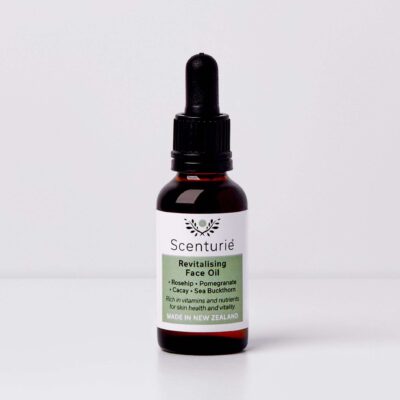
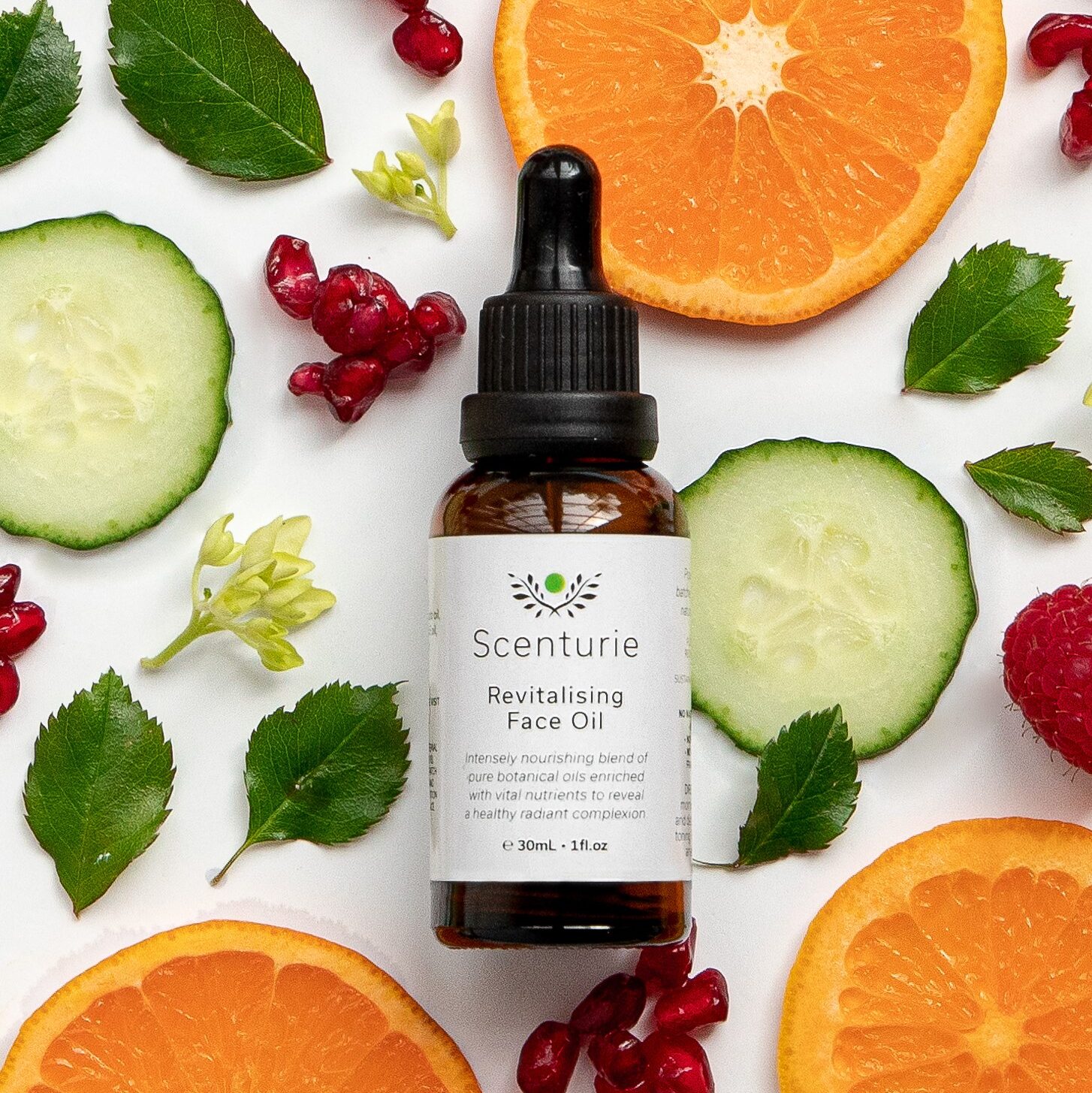
A perfect way to streamline your routine and get great results is to utilise a botanical facial oil as your massage medium. As you work, your massage will help infuse the product deeper in the skin, ensuring that active ingredients are well-absorbed and producing a beautiful, dewy finish. Our vitamin-packed, nutrient-rich Revitalising Face Oil is the perfect face oil for an indulgent, relaxing facial massage that will leave your skin glowing with good health.
4. Uplevel your treatment with a few massage tools
Once you’ve become comfortable with massaging your skin, you might enjoy building on it with a beauty tool or two. Jade rollers, gua sha stones, and other similar devices are designed to create the same benefits of hands-on massage, but can be easily added to any protocol for an enhanced experience.
5. Watch ‘How To’ videos
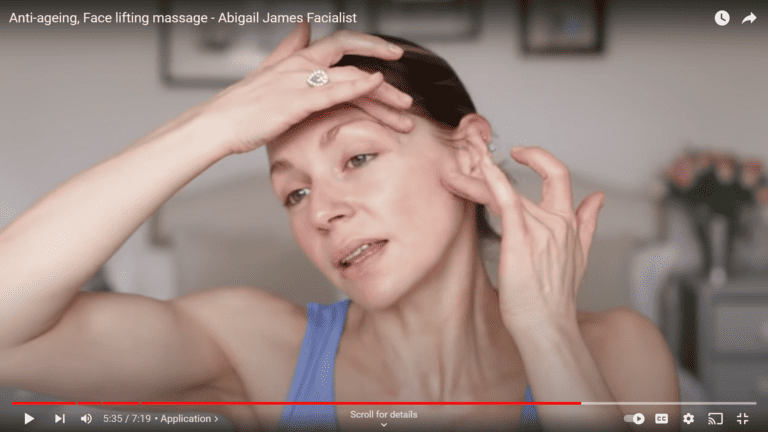
One last tip we have is to watch online tutorials. Social media sites such as TikTok and YouTube contain a wealth of videos, and step-by-step instructions, and are the perfect way to acquaint yourself with various techniques. For example, we love this seven-minute routine for targeted massage moves and manoeuvres. Click below to view.
References:
Manual therapy in the treatment of facial wrinkles and sagging: a quantitative-qualitative randomized clinical trial By Aline de Souza Massulo Garcia, Dilane Braga da Silva, Vanessa Daniele Ferreira Gonçalves, and Alessandra Couto de Camargo Ferreira
You check the label. You choose the glass jar over the plastic tube. You look for “natural” and “ethically sourced.” You’re doing all the right things to reduce your footprint.
But have you ever wondered about the story before the ingredient even gets to the lab? About the hidden waste in the food and drink industry, where tonnes of nutrient-rich seeds, skins, and pulp are thrown away every single day?
You have a feeling that “sustainable” could mean something more. That there has to be a smarter, more resourceful way.
You’re right. There is.
So, What if “Waste” Wasn’t Waste at All? (Introducing Upcycled Beauty)
This is the simple but revolutionary idea behind upcycling—the next major green wave in beauty.
Upcycling is the process of taking the high-quality byproducts from other industries (usually the food and drink industry) and transforming them into potent, luxurious skincare ingredients.
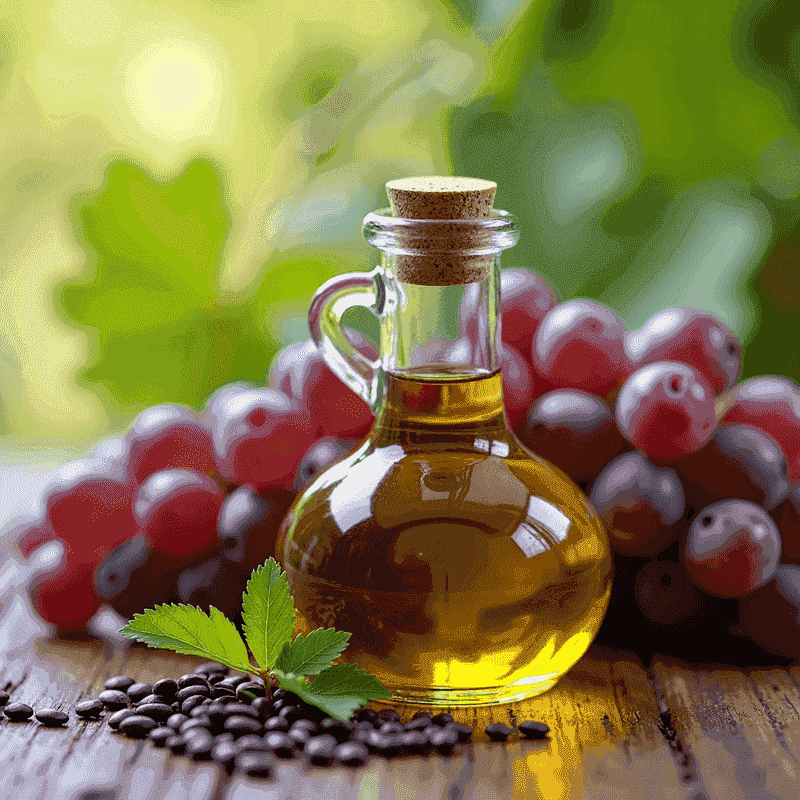
Think of it like this: when grapes are pressed to make Port wine, the nutrient-rich seeds are often discarded. But instead of letting them go to waste, we can cold-press those seeds to create an incredibly powerful, antioxidant-rich Grape Seed Oil.
It’s not just recycling. It’s a creative act of elevation—turning something that was overlooked into something precious.
This Isn’t Just About Being “Less Bad.” It’s About Being Smarter.
Choosing upcycled ingredients is one of the most impactful decisions a brand can make. Here’s why it’s a game-changer:
It Drastically Reduces Waste: It gives a new purpose to valuable materials that would otherwise end up in landfill, reducing the environmental burden.
It Conserves Natural Resources: It lessens the demand for virgin raw materials, which saves water, energy, and land.
It Lowers Environmental Impact: The production process for upcycled ingredients requires far less energy and resources than creating a new ingredient from scratch, leading to a lower carbon footprint.
How We Put This into Practice (Proof, Not Just Promises)
At Scenturie, we are passionate about pioneering the use of these intelligent, circular ingredients. Here is an example of an upcycled wonder you’ll find in your favourite products.
The Secret in Your Creams: Upcycled Grape Seed Oil
As a customer, you deserve to know that the brands you support are making the smartest, most resourceful choices at every step.
Upcycling is more than just a trend; it’s a commitment to ingenuity and a deeper respect for our planet’s resources. It’s about turning nature’s overlooked treasures into beautiful, effective skincare.
Our journey with upcycled ingredients is just starting. We are constantly exploring innovative new ways to turn nature’s overlooked treasures into beautiful, effective skincare, and we can’t wait to share what’s next.
By choosing products with upcycled ingredients, you are supporting a truly circular approach—skincare you can feel good about, in every sense of the word.
Ready to try skincare that’s as resourceful as it is radiant?
As Autumn graces us with shorter days, cooler temperatures, reduced humidity, and falling leaves, you may have noticed a number of changes to your skin. Common skin changes that occur in response to the climatic shift in Autumn include:
1. Increased dryness: The cooler temperatures and lower humidity levels can cause the skin to become dry and dehydrated. This can lead to increased sensitivity, itching, flakiness, and a tight feeling.
2. Duller Appearance: Reduced sunlight and decreased humidity levels can lead to a dull and lackluster complexion.
3. Lines and wrinkles: The drop in humidity can also accentuate fine lines and wrinkles, making them more noticeable.
4. Redness and irritation: For some people, cooler temperatures and dry air can trigger skin irritation and inflammation, leading to redness, itching, and sensitivity. Those who suffer from eczema, psoriasis, and rosacea may also experience increased irritation to their skin.
5. Acne and breakouts: As the weather changes, the skin’s natural oil production may fluctuate, leading to clogged pores and breakouts.
Dermatologists agree that as the seasons change, so should your skincare routine. It’s important to take extra care of your skin to keep it healthy and hydrated and it is the minor tweaks that can make a major difference. Here are some tips to support your skin during this season:
Tips For Beautiful Skin This Autumn:
1.Use a Hydrating Cleanser
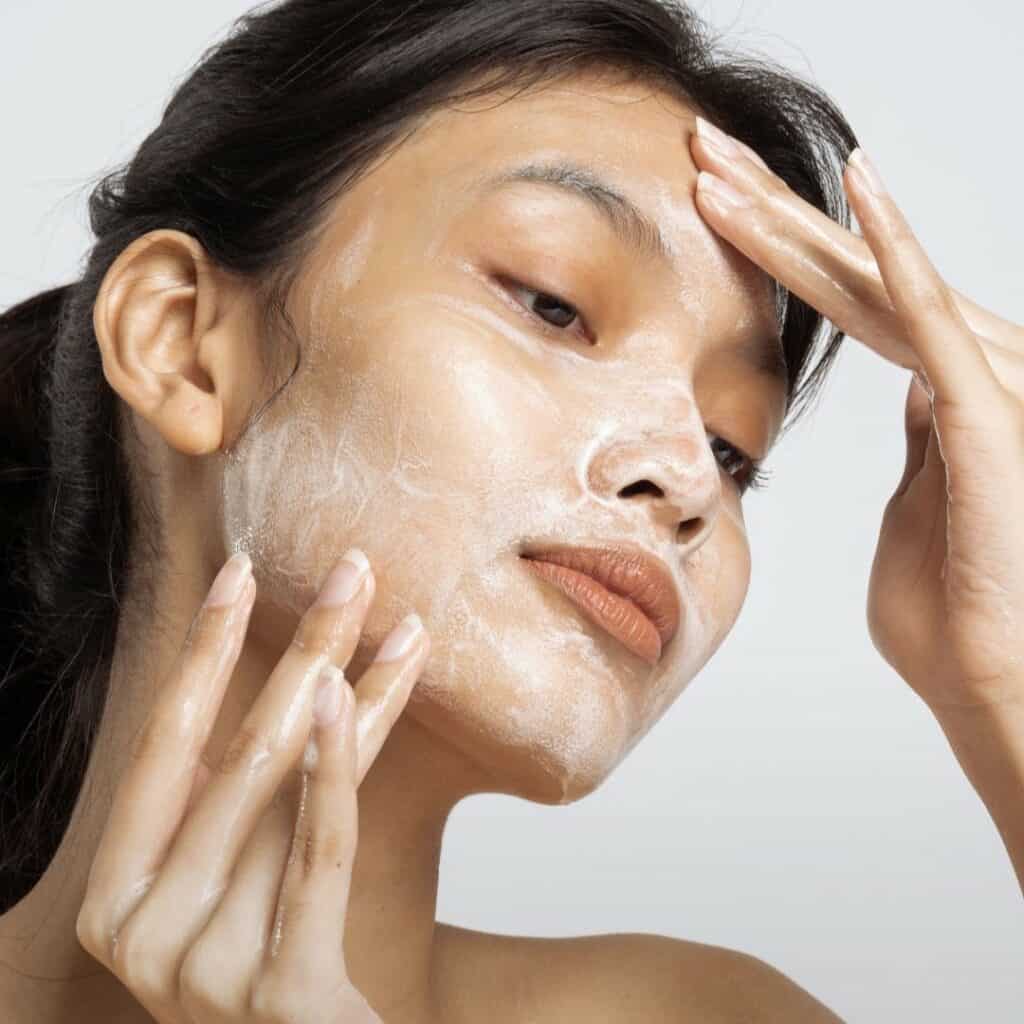
Because the skin produces less oil during autumn and winter it is best to use a cream cleanser to restore the skin’s natural oils and avoid unnecessary dryness. Scenturie’s Natural Creamy Cleanser is a highly effective, super-gentle, nourishing creamy cleanser that leaves skin feeling clean, refreshed, hydrated, and glowing with good health.
2. Add a Hydrating Serum or Face Oil
Using a moisturiser is one thing, but adding a serum or face oil adds an extra level of hydration and nourishment to your skincare routine. A good serum can boost the skin’s ability to produce collagen, elastin, and hyaluronic acid, which help improve the health and texture of the skin.
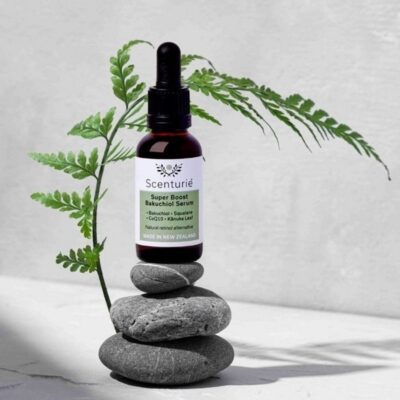
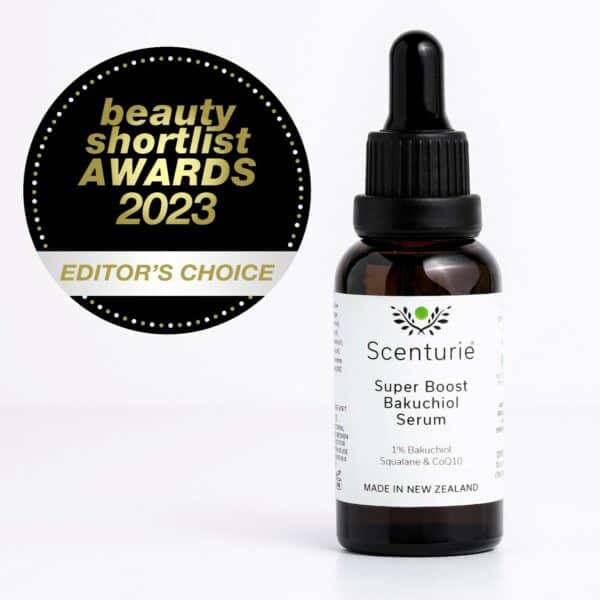
Scenturie’s award-winning Super Boost Bakuchiol Serum contains a nutrient-rich, collagen-boosting, blend of plant oils that help to restore optimal skin health, hydration, resilience, and a youthful radiant glow.
3. Use a Thicker, Richer Moisturiser
A good moisturiser is essential to restore the lipid barrier and hydrate skin to prevent dryness and flakiness. Look for a moisturiser that is rich in natural plant oils and humectants, such as shea butter, argan oil, hyaluronic acid, and glycerin. Another tip is to apply your moisturiser to damp skin before the water has a chance to escape.
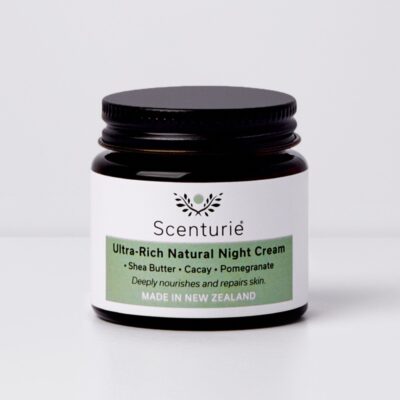
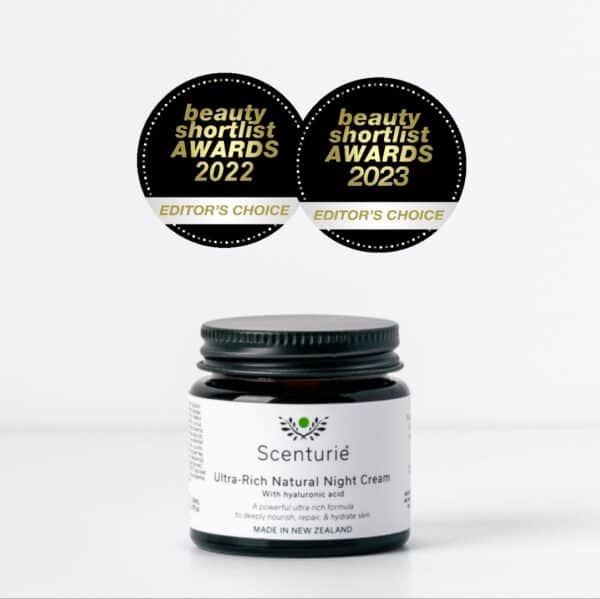
Scenturie’s Ultra-Rich Natural Night Cream is a deeply nourishing and hydrating moisturiser perfect for an ultra-hydrating Autumn skincare routine. Antioxidant-rich Pomegranate Seed Extract, Green Tea Leaf Extract, and Hyaluronic Acid scientifically proven to greatly improve skin hydration, stimulate collagen synthesis, and regenerate skin cells, leading to the reduced appearance of fine lines and wrinkles.
4. Exfoliate Skin Gently
Exfoliating your skin once or twice a week can help to remove dead skin cells and promote cellular turnover. Use a light circular action from the centre of your face outward – avoid hard pressure or scrubbing at your skin as this can cause damage.
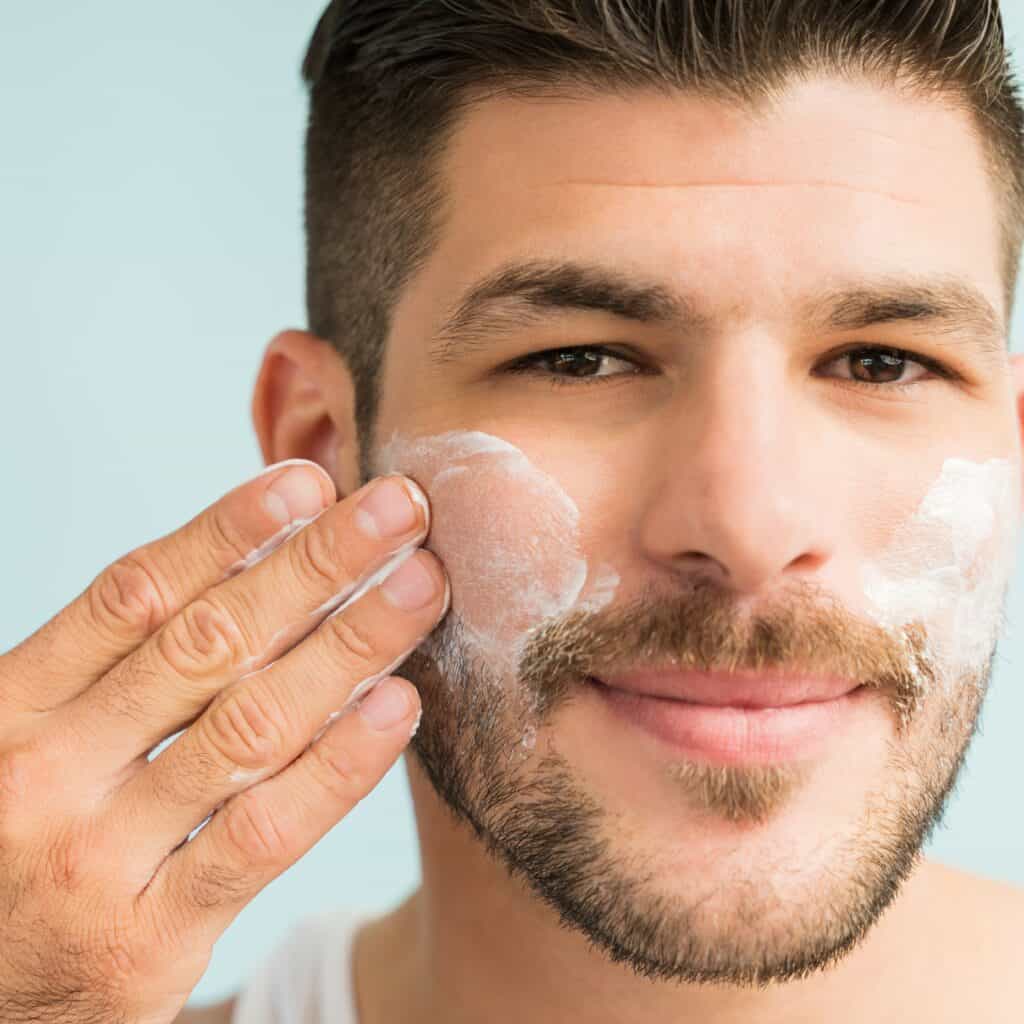
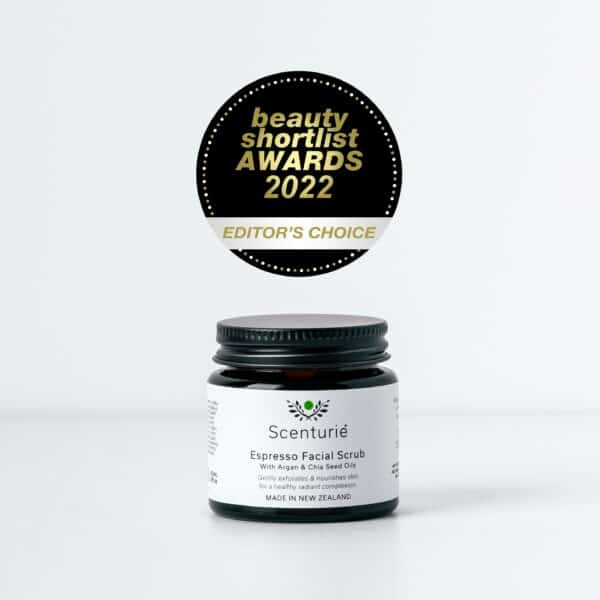
Use Scenturie’s award-winning Espresso Facial Scrub to buff away dead skin cells and impurities to reveal clean, velvety smooth skin. Finely ground Fair Trade coffee beans are suspended in a rich, thickly textured blend of Argan, Chia, Grapeseed, Sweet Almond, and Coconut oils, and New Zealand Manuka leaf extract, to deliver optimal nourishment while deep cleansing your skin.
5. Protect Your Skin From The Sun
Always protect your skin from the sun with a good sunscreen of at least SPF 30 every day. Even if you’re not spending the day outdoors, sunscreen needs to be part of your daily routine. Sun damage can occur any day, any time, and anywhere. Even in overcast weather UV rays penetrate the skin increasing your risk of skin cancer and accelerating aging. Mineral sunscreens with zinc oxide and titanium dioxide are critical for blocking UVA and UVB rays.
6. Follow a Healthy Diet
Cooler weather often signals a change in our diets to eat more comfort foods. It can also mess with our skin, with fattier foods clogging our skin and causing breakouts. We’re also likely to drink less water which can affect the hydration levels in our skin. Avoid “carb-binging”, and continue to eat plenty of fruit and veggies. Stick to healthy fats and oils, and keep drinking plenty of water throughout autumn to maintain your hydration from the inside.
Remember that skincare should be adapted to your specific skin type and needs. If you have specific skin concerns, consider consulting with a dermatologist or skincare professional for personalized recommendations. By following these autumn skincare tips, you can help your skin stay beautiful and healthy throughout the season.
The truth is that most people have no clue what goes into the products that they use daily. The ugly truth is that if they knew, they would probably never want to use them again. In the beauty and skincare industry, one such pariah is Palm Oil. The devastation caused by this one ingredient to people, wildlife, and the planet, is so complicated and far-reaching that it deserves our immediate attention.
What is Palm Oil?
Palm Oil is a type of vegetable oil that is derived from oil palms. Oil palms are an ancient staple crop in West Africa and the tree bears giant bunches of red fruit beneath its fronds. For millennia, humans have harvested the fruit, boiled, and pounded it to extract cooking oil, burned the kernel shells for heat, and used woven palm fronds to make rooves and baskets.
Palm Oil fruit (Elaeis guineensis).
Why is Palm Oil so Popular?
Owing to its versatility and the efficiency with which it can be produced (requiring only half as much land as other crops, such as soybeans, to generate a given amount of oil), the use of Palm Oil within the past few decades has skyrocketed. In fact, palm oil is the most efficient oilseed crop in the world. A hectare of palm oil plantation can produce almost ten times the amount of oil than the next closest type of oilseed such as rapeseed.
Palm Oil has been successfully transplanted to other tropical regions and it is now mainly supplied by Indonesia and Malaysia. It is now the most popular vegetable oil in the world, accounting for one-third of global consumption, and it is almost unavoidable, being found in many consumer and industrial products, such as food and beverages, personal care and beauty products, bioenergy and fuel, animal feed, pharmaceuticals, industrial activities, and the food service industry. Biscuits, spreads, chocolate, bread, personal care products, detergents, soap, lipstick… these are just a few of the multitude of items containing Palm Oil that you are more than likely to have in your home right now.
Palm oil is used extensively in the cosmetic and food industries and the global demand for it continues to rise with consumption exceeding 70 million metric tonnes annually.
With its use in so many everyday applications, it begs the question, how can this ‘tree of plenty’ be so bad? What is the real issue with palm oil?
The Dark Side of Palm Oil
The real issue with Palm Oil is its unsustainable production rather than the product itself. There is little regulation in the destruction of rainforest areas, and it is currently very difficult to trace whether the palm oil in products was really produced sustainably.
Unsustainable palm oil has a devastating effect on the environment. Palm oil has been, and continues to be, a major driver of deforestation of some of the world’s most biodiverse forests, causing mass destruction to the habitats of already endangered species, and contributing to climate change by releasing millions of tonnes of greenhouse gases into the atmosphere. The aggressive burning and clearing of forests in Indonesia alone contribute to 12% of all global carbon emissions.
Aerial drone view of rainforest being burnt and cleared to make way for palm plantations in Indonesia.
The haze from Indonesian forest fires, many deliberately set to clear land for oil palms, caused at least 12,000 premature deaths in 2015 alone.
According to Greenpeace, land equivalent to the size of a football field is lost every 25 seconds in Indonesia alone. The World Wildlife Fund (WWF) estimates that worldwide, around 300 football fields of forest are cleared every hour to make way for palm oil plantations.
Landcover, forest clearance and plantation development in PT Megakarya Jaya Raya (PT MJR) palm oil concession. Source: Greenpeace.
In Borneo, the island shared by Malaysia and Indonesia, since 1973, almost 42,000 square kilometers of rain forest has been burned and bulldozed to create space for oil palms. Since 2000, oil palms have accounted for 47% of the world’s total deforestation. All this deforestation has wreaked havoc on local wildlife. Nearly 150,000 endangered Bornean orangutans have perished from 1999-2015. According to a report from the World Wildlife Fund, elephants, Sumatran tigers, and rhinos are also on the brink of extinction.
Orangutans in Borneo where rainforest has been cleared for palm oil plantations. ULET IFANSASTI/GETTY IMAGES
Human rights abuses in and around these plantations run rampant. On the Indonesian island of Sumatra, palm oil companies have bulldozed entire villages of indigenous peoples, leaving their residents homeless and reliant on government aid.
In 2020, the Associated Press conducted a comprehensive investigation that focused on the brutal treatment of women employed on these plantations. The report highlighted the hidden scourge of sexual abuse (with many reporting repeatedly being raped by their employers), threats and verbal harassment along with human trafficking, child labour (as young as 5 years old), and what can only be considered as modern-day slavery. Women are burdened with some of the most dangerous jobs in the industry, forced to spend hours carrying such heavy loads that can cause their wombs to collapse. Chemically contaminated water can add to the burden by causing terrible sickness. Most workers are hired as subcontractors, without any benefits, and sometimes making only $2 per day.
Female worker carrying a heavy load at a palm oil plantation in Sumatra, Indonesia. (AP Photo/Binsar Bakkara).
It seems painfully ironic that palm oil, harvested in such ugly and inhumane ways, is used in products to make one ‘beautiful’.
Palm Oil and the Beauty Industry
The derivatives of palm oil (glycerol, fatty acids, or fatty alcohols) are used in many products because of their emollient or foaming properties.
The two main types of oil from the oil palm are palm oil and palm kernel oil. To make palm oil, the fruit is pressed to extract crude palm oil [CPO] which is refined to become edible. The CPO is then processed to become refined, bleached, and deodorized (RBD) palm oil. Alternatively, the oil can be extracted straight from the kernel as palm kernel oil. Palm kernel oil is what is used in the manufacture of foods and cosmetics because it can maintain its structure under high temperatures, it is creamy and smooth in texture, and it is odourless.
Although the beauty industry reportedly only accounts for 2% of global palm oil production, it can be found in as many as 70% of all beauty products. The fact that it is cheap and versatile makes it an attractive addition. In lipsticks, the addition of palm oil allows them to remain tasteless, prevents them from melting, and allows their colours to last much longer.
The problem with palm oil is ultimately one of production greed. Efficiency and low-cost equals good profit for companies that use palm oil in their products. This relentless drive for short term profit and growth always comes at the expense of something or someone. Sadly, this case is no different.
What has been done so far to manage sustainable Palm Oil?
In response to the urgent and pressing global call for sustainably produced palm oil, the Roundtable on Sustainable Palm Oil (RSPO) was formed in 2004 with the objective of promoting the growth and use of sustainable oil palm products through credible global standards and engagement of stakeholders. RSPO-certified palm growers are audited by an independent, accredited certification body that supposedly ensures that strict social and environmental guidelines are followed during production.
Although this represents progress, unfortunately the certifications are far from perfect and there are many loopholes. According to two separate reports from campaigning groups WWF and Rainforest Action Network, some of the world’s biggest brands are failing in their commitments to banish deforestation from their supply chains through their use of palm oil, despite making public claims to environmental sustainability.
Landcover, forest clearance and plantation development in PT Megakarya Jaya Raya (PT MJR) palm oil concession. Source: Greenpeace.
Is Palm Oil sustainable at present?
In the short term, NO. In the long term – truly sustainable palm oil, YES.
In September 2018, a comprehensive investigation by Greenpeace exposed how the world’s biggest brands are still linked to rainforest destruction in Indonesia. Palm oil suppliers to the world’s largest brands, including Unilever, Nestlé, Colgate-Palmolive and Mondelez, have destroyed an area of rainforest almost twice the size of Singapore in less than three years, according to the report.
The report highlighted how some of the largest members of the RSPO, who supposedly produce and sell ‘sustainable’ palm oil, routinely flout the laws and rules which they are supposed to abide by. The outcome of the report was that large companies who claim to only use sustainable palm oil in their products are in fact selling the public a lie and that production of sustainable palm oil under the RSPO is fiction.
There is now a realisation that RSPO-certification is currently “inadequate” as a guarantee that the palm oil in use is not leading to deforestation. In other words, just because a company or product is RSPO-certified there is NO guarantee that the palm oil they have used has not caused deforestation.
As a result of these collective failures, brands and traders who still source palm oil from non-sustainable producer groups are not just complicit in rainforest destruction and exploitation, but – through their palm oil purchases – actively funding those responsible for it. These factors represent the greatest known threats to Indonesia’s rainforests and local communities.
Read the Palm Oil Investigation by Greenpeace here
What can you do to support the sustainable production of palm oil?
It has been proven that palm oil production is NOT sustainable at present, and that deforestation, and devastation to human life, wildlife, and the environment continues because of it.
Palm oil’s reach is not going away anytime soon. It is found in just about everything — from cookies, chips, and bread, to wide a range of personal care products. Palm oil is part of our lives, but rainforest destruction and the cascading human health effects from the burning and clearing of forests shouldn’t be. Nor should the welfare of workers and neighboring communities who are violated at the cost of producing this vegetable oil.
In our opinion, and many others, the best option to support the sustainable production of palm oil is to AVOID purchasing beauty products (or any products) containing non-RSPO certified palm oil.
The best way to do this is by reading and understanding ingredient labels! DO NOT buy products with palm oil, palm kernel oil, or palm oil derivatives in the ingredient list unless the company states their palm oil ingredients are RSPO certified. It is important to note that when reading labels, ‘Palm Oil’ may not be listed, but one of its 200+ derivatives may be. Orangutan Alliance have compiled a list of alternative names for palm oil which you can read at the end of this article. Familiarizing yourself with some of them may seem a big task but a helpful tip is to avoid ingredients with the root word being ‘palm’ or that have ‘palm’ in it (for e.g., palmitic acid, hydrated palm glycerides, palm kernel, palm kernel oil, palm fruit oil, palmate, palmitic acid, palm stearine, palmitoyle, etc) or other common ‘palm’ derivatives with the words ‘stear’ and ‘laur’ (for e.g., stearate, stearic acid, and sodium lauryl sulfate). In New Zealand it is not a requirement to label a specific oil, ‘vegetable oil’ is acceptable. If an ingredient label states ‘vegetable oil’ then it is more than likely palm oil.
By avoiding products made with palm oil, and supporting companies who choose not to use palm oil, or palm oil derivatives, unless they are RSPO certified, we are being ‘conscious consumers‘. Conscious consumerism is a vital part of sustainability. It is the awareness of how every purchase that we make has an impact on the environment. By being a ‘conscious consumer’, we can all contribute to a more sustainable world that respects basic human rights, protects the environment and the planet so it will be here for future generations to enjoy. We are also sending a strong message that we won’t accept unsustainable and unethical products, giving the rain forests a bit of respite and a chance to survive.
Palm oil sustainability is a very complex issue with many consequences, but we can make a difference by choosing to buy palm oil free products wherever possible. The more we talk about this issue, share information with each other, and make a collective stand against it, the sooner truly sustainable palm oil will be available without the catastrophic effects linked to it now.
Final Thoughts…
The devastation to human life, wildlife, and the environment is simply too high a price to pay when it comes to buying beauty and skincare products that contain palm oil. We should all do what we can to support basic human rights, protect critically endangered species, and preserve our planet. There are companies out there trying to play their part by avoiding the use of non-RSPO certified palm oil in their products and we should do our bit by supporting them.
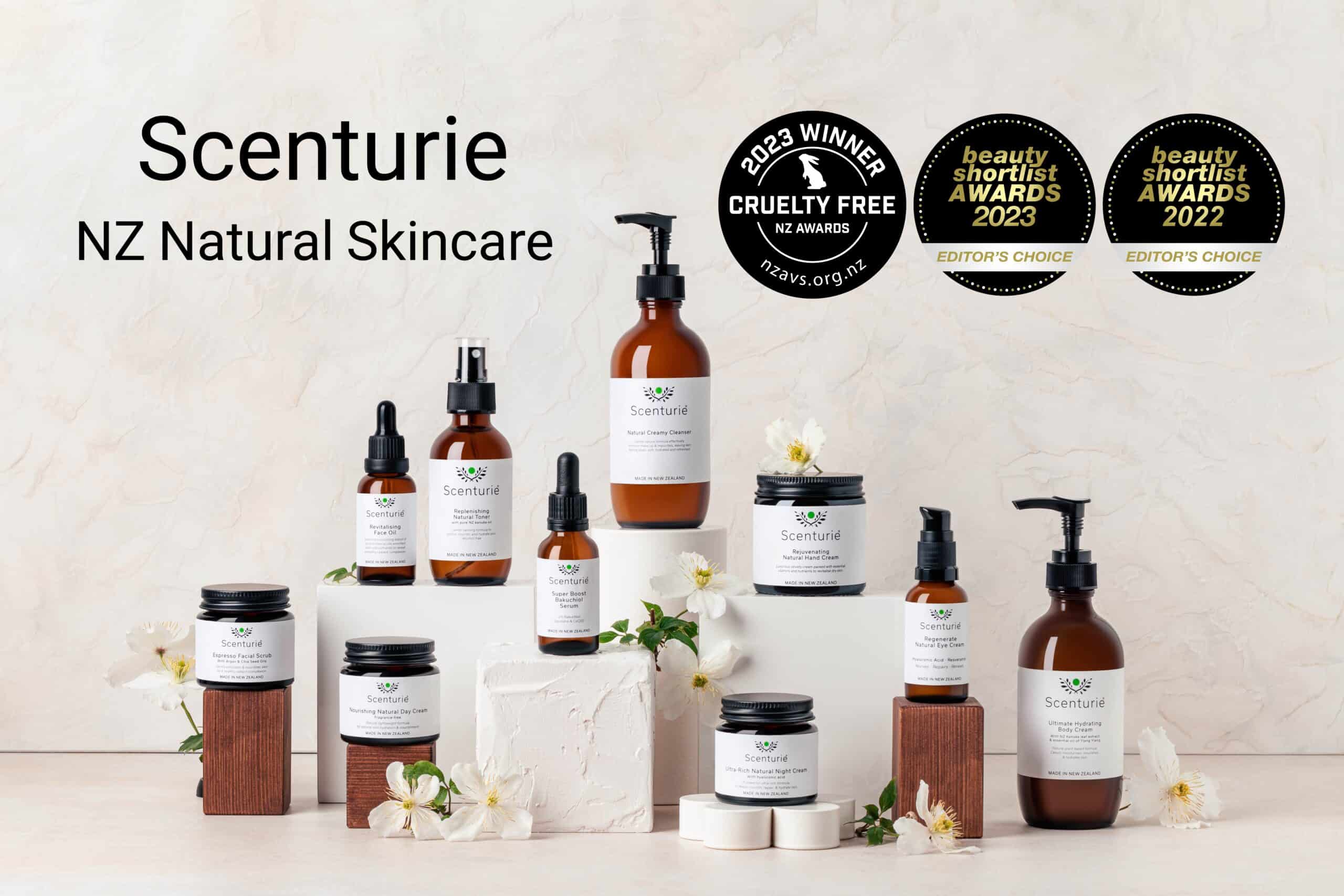
Scenturie is a natural skincare brand based in New Zealand that lives by the ethos “Respect for our planet, its resources, and each other. Our products are cruelty-free, 100% vegan, ethically sourced, and free from harmful chemicals. We have chosen to avoid using palm oil and palm oil derivatives in our formulations, wherever possible. We use ‘Brassica alcohols’ as one of our chosen emulsifiers, which are naturally derived from waxes found in plants from the Cabbage (Brassica) family. They are a palm oil-free natural alternative for fatty alcohols used in skincare products. The other natural emulsifiers we use are cetearyl olivate and sorbitan olivate. These ingredients are developed from natural olive derivatives, however, the manufacturing process involves combining them with the ingredient cetearyl alcohol which is a RSPO-certified palm oil derivative. We are always on the lookout for an effective 100% palm oil-free emulsifier but to date we have not found one. This is the closest we can currently get to achieving palm oil-free status. We use NO parabens, sulfates, phthalates, glycols, silicones, phenoxyethanol, or mineral oils in our products. Our packaging is all recyclable, reusable, and compostable, and as part of our committment to ongoing sustainability we offer a returnable product packaging service.
Alternative Names for Palm Oil Derivatives
Below are some examples of how palm oil may be referred to on packaging. This doesn’t mean that all these ingredients are definitely palm oil, (for instance E471 may be palm oil, coconut oil, soybean oil, cottonseed oil or canola oil), but they could be. This list is from The Orangutan Alliance.