
Every day, we perform our personal care rituals—cleansing, toning, and moisturising—to nurture our skin and protect our health. Yet, the products we rely on often harbour an invisible, devastating cost. Worldwide plastic pollution has escalated into an environmental crisis that scientists warn is as critical as climate change.
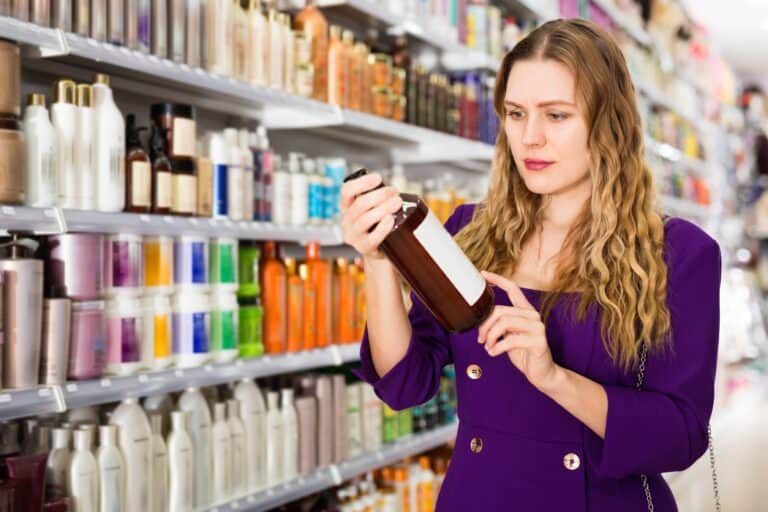
Shockingly, the beauty and personal care industry is one of the most prolific contributors to this crisis. Walk down any supermarket or pharmacy aisle, and you are met with a wall of plastic bottles, tubes, and jars. The harsh reality? Over 70% of this beauty and personal care packaging will end up in landfills or our oceans.
But as consumers, we hold immense power. The cycle of waste begins and ends with our choices. Here is why embracing plastic-free beauty is no longer just a trend, but an absolute necessity for our ecosystems and our health.
The Dawn of Plastic in Personal Care
Before the mid-20th century, our beauty routines looked remarkably different. Soaps were sold as solid bars, hair products were powders or pomades housed in sturdy tins, and perfumes—the ultimate symbol of luxury—were carefully preserved in elaborate glass bottles.
The personal care industry as we know it took shape in the 1920s, heavily influenced by the rise of Hollywood glamour. However, it wasn’t until the post-World War II manufacturing boom that the plastics industry truly exploded. Personal care brands quickly abandoned glass and metal for plastic because it was cheap, lightweight, flexible, and easy to mass-produce. What began as a highly convenient manufacturing solution quietly laid the groundwork for a global environmental catastrophe.
The Current Crisis: By the Numbers
Today, the convenience of plastic has morphed into an unmanageable global burden. To truly understand the scale of the issue, we must look at the science:
Massive Historical Production: According to a landmark 2017 study in Science Advances, a staggering 8.3 billion metric tons of virgin plastic have been produced worldwide to date.
Abysmal Recycling Rates: Of all the plastic ever manufactured, only 9% has actually been recycled. Another 12% was incinerated, leaving a massive 79% to accumulate in landfills or the natural environment.
The Myth of Infinite Recycling: Unlike glass or aluminium, plastic cannot be endlessly recycled. Its polymer chains break down and degrade during the recycling process, meaning it is often “downcycled” into lower-quality products just once or twice before ultimately being discarded as waste.
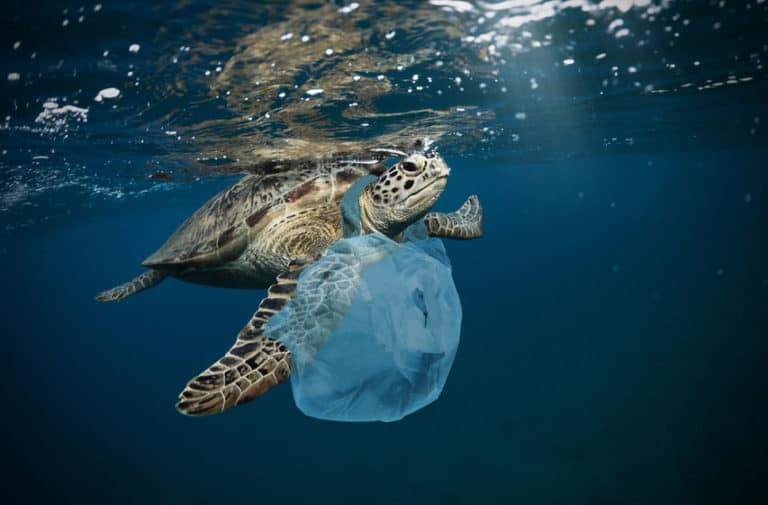
The Ocean Toll: An estimated 12.7 million tonnes of plastic waste enter our oceans every single year.
If our current production and waste management trajectory continues, researchers predict that roughly 12 billion metric tons of plastic waste will suffocate our landfills and natural environments by the year 2050.
Beyond Pollution: Health and Ecosystem Implications
The fundamental problem with plastic is that it never truly disappears; it simply breaks down into smaller and smaller pieces over hundreds of years.
The Microplastic Threat
In our oceans and waterways, plastic debris physically degrades into microscopic pollutants known as microplastics. These tiny particles are routinely ingested by seabirds, fish, and filter-feeding marine organisms. Beyond the devastating impact on wildlife—ranging from fatal entanglement to malnutrition—experts warn that microplastics have thoroughly infiltrated the human food chain. While the long-term health implications are still being studied, the scientific community is deeply concerned about the scale of this biological contamination.
Chemical Leaching
The danger is not just physical; it is chemical. Many traditional plastics are manufactured with chemical additives like phthalates and bisphenol A (BPA) to increase flexibility, longevity, or durability. Over time, these chemicals can leach out of the packaging and directly into the skincare formulas they contain. Exposure to these endocrine-disrupting chemicals has been linked to hormonal imbalances, developmental issues, and other serious health problems. Plastic-free packaging eliminates this risk, ensuring your products remain as pure and safe as nature intended.
The Core Benefits of Plastic-Free Beauty
Transitioning the global supply chain away from plastic packaging requires a monumental effort, but the benefits are undeniable. By shifting our consumer habits, we can drive change across several critical areas:
Waste Reduction: Opting for glass, aluminium, or compostable materials directly decreases the volume of waste sent to overflowing landfills and incinerators.
Resource Conservation: The production of virgin plastic demands significant amounts of fossil fuels, driving greenhouse gas emissions. Refusing plastic reduces our reliance on fossil fuels and helps combat climate change.
Consumer Safety: Choosing inert, natural packaging like glass completely eliminates the risk of harmful chemical leaching, protecting your long-term cellular health.
The Scenturie Loop: Our Circular Packaging Solution
At Scenturie, we believe that true sustainability does not end when you finish a product—it ends when we work together to give that packaging a new life. Knowing the severe impact of beauty industry waste, we refused to be part of the problem.
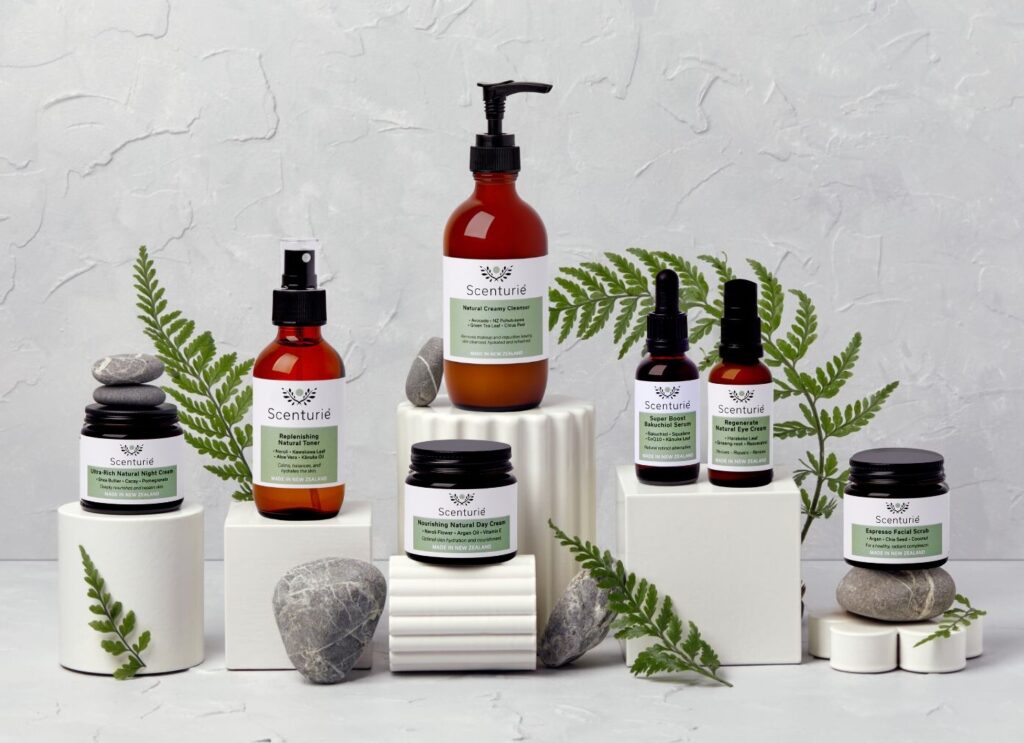
Instead of relying on single-use plastics, our Scenturie Natural Skincare range is meticulously housed in premium, infinitely recyclable amber glass bottles and jars, topped with recyclable aluminium lids. Amber glass not only protects our potent botanical ingredients from UV degradation, but it can also be recycled endlessly without ever losing its structural quality.
To take our commitment a step further, we created The Scenturie Loop—our Returnable Product Packaging Service designed to close the waste loop entirely.
How Our Refill System Works:
Save and Rinse: Once you finish your Scenturie product, simply give the empty glass jar or bottle a quick rinse with warm, soapy water.
Return: Collect five or more clean empty containers and return them to us (either via our Auckland drop-off partner or by mail).
Sterilise and Reuse: We professionally clean and sterilise the glass to stringent hygiene standards, allowing us to refill and reuse the packaging for a truly circular lifecycle.
Earn Rewards: As a thank you for actively protecting the planet, we reward you with 25 Eco-Points (worth $1) for every eligible item you return to us.
The Power is in Your Hands
The beauty industry’s plastic problem was created over decades, and untangling it will require a concerted, collective effort. But remember: every time you purchase a product, you are casting a vote for the type of world you want to live in.
Choosing beauty and personal care items with minimal, reusable, or plastic-free packaging aligns your daily routine with the vital values of environmental conservation and ethical consumption.
By supporting brands that prioritise circular, eco-friendly packaging, you send a clear message to the wider industry that the status quo is no longer acceptable. Start small, make conscious swaps, and join us in protecting our beautiful planet—and our oceans—for the generations yet to come.
Ready to make the switch to sustainable, science-backed skincare? Explore our award-winning, plastic-free skincare range at Scenturie today.