
Your skin is an active, self-renewing biological barrier. Every minute of every day, it works silently to shield your body from environmental stressors, retain vital hydration, and protect your cellular health.
At the heart of skin renewal is a physiological mechanism known as desquamation—the process where newly formed epidermal cells migrate upward from the deeper basal layer to the surface, keratinise, and naturally shed away.
In healthy, young skin, a complete turnover cycle takes approximately 28 days. However, due to natural biological aging, hormonal fluctuations, UV exposure, and cold weather, this turnover rate slows significantly—extending to 40, 50, or even 60 days.
When desquamation stalls, dead, dehydrated cells accumulate on the surface (the stratum corneum). The result? Light no longer bounces evenly off your face, leaving your complexion dull, uneven, dry, and prone to congestion.
This is where thoughtful exfoliation becomes a cornerstone of healthy ageing. Here is an honest, science-backed guide to how exfoliation works, the vital difference between physical and enzymatic methods, and how to reveal smooth, luminous skin without compromising your protective barrier.
1. What Exfoliation Actually Does: The Skin Science
| Exfoliation at a Glance | |
| What it is | The gentle removal of excess, non-viable surface keratinocytes (dead skin cells) from the outermost layer of the epidermis. |
| Primary mechanisms | Physical/Mechanical (micro-fine polishers) or Enzymatic/Chemical (dissolving biological intercellular “glue”). |
| The formulation rule | Exfoliate to assist natural desquamation—never to strip the underlying lipid mantle. |
When performed with care, regular exfoliation provides biological benefits that go far beyond surface softness:
Unblocks Pores & Prevents Congestion: Sebum oxidises when trapped beneath layers of dead surface cells, forming blackheads and feeding blemish-causing bacteria. Clearing this surface debris allows follicles to breathe naturally.
Enhances Bioactive Product Absorption: Think of dehydrated surface cells like a dry sponge. By lifting away this barrier, your daily botanical serums, face oils, and lipid-rich creams penetrate directly into receptive living tissue rather than sitting wasted on the surface.
Stimulates Healthy Epidermal Turnover: Gently clearing dead surface cells signals the deeper basal layers to accelerate cell renewal, refining texture and fading the appearance of post-inflammatory hyperpigmentation.
Restores Light Reflection (The “Glow”): Smooth skin surfaces reflect light uniformly. Removing dry, microscopic ridges instantly transforms rough, sallow skin into a luminous canvas where makeup applies seamlessly without caking.
2. The Formulator’s Warning: The Danger of “Over-Scrubbing”
More is not better in cosmetic dermatology. One of the most common issues I see as a formulator is an over-exfoliated, compromised skin barrier.
When you scrub too aggressively or use harsh, jagged abrasives (such as crushed apricot kernels or walnut shells), you create microscopic tears in the epidermis.
| Healthy Barrier (Nourished) | Compromised Barrier (Over-Scrubbed) |
| Intact Lipid Mantle: Skin cells fit tightly like bricks held together by mortar. | Micro-Tears & Fissures: Jagged scrubs scratch surface tissue and dissolve essential lipids. |
| Moisture Locked In: Low water loss keeps skin plump, supple, and glowing. | Rapid Water Loss (TEWL): Moisture evaporates quickly, leading to chronic tightness and flaking. |
| Natural Defense: Repels environmental irritants, pollution, and bacteria. | Irritant Vulnerability: Bacteria penetrate easily, sparking inflammation, stinging, and breakouts. |
When this lipid barrier is stripped:
Trans-Epidermal Water Loss (TEWL) spikes: Your skin loses internal moisture rapidly, feeling tight, parched, and sensitive.
Rebound Sebum Production occurs: In a desperate bid to replace stripped lipids, your sebaceous glands overcompensate, creating an oily sheen alongside persistent breakouts.
Micro-Inflammation sets in: Chronic irritation accelerates cellular aging and triggers redness.
The Golden Rule: You are not scrubbing a dirty countertop. You are polishing living biological tissue. An effective scrub should glide over the skin effortlessly in a cushioning, nutrient-dense plant oil base.
3. Physical vs. Enzymatic Exfoliation: Which Does Your Skin Need?
Understanding your skin’s temperament determines which exfoliating method will support your barrier best:
| Method | How It Works | Ideal Skin Types | What to Look For |
| Fine Mechanical / Physical | Smooth, rounded micro-particles lift loose cells through gentle manual circular massage. | Normal, combination, dry, dull, or resilient skin types. | Finely milled, round particles (like smooth coffee grounds or micro-minerals) suspended in cold-pressed plant oils. |
| Mineral Clay Adsorption | Mineral clays bind to excess surface oil, impurities, and dead cells through ionic attraction without abrasion. | Oily, congested, blemish-prone, or reactive skin. | Purifying bentonite, kaolin, or volcanic zeolite clays enriched with soothing native NZ botanical extracts. |
| Fruit Enzymes (Biochemical) | Proteolytic enzymes break down keratin protein bonds, gently melting loose cells away without rubbing. | Extremely sensitive, hyper-reactive, or thin/fragile skin. | Papaya (papain) or pineapple (bromelain) extracts in hydrating gel bases. |
4. How Often Should You Exfoliate?
Your optimal frequency depends on your individual barrier resilience, current climate, and skin type:
Dry or Mature Skin (1x per week): Slower desquamation means dead cells linger, but fragile lipid production requires extra gentleness. Choose a scrub formulated in a rich oil base to replenish ceramides while polishing.
Normal to Combination Skin (1–2x per week): Keeps congestion at bay through the T-zone while smoothing dry cheeks.
Oily or Acne-Prone Skin (1–2x per week): Alternate between a gentle physical polish and a mineral clay mask to purify follicles without manual irritation.
Sensitive or Reactive Skin (Once every 10–14 days): Skip aggressive manual scrubbing completely; rely on a soft, non-drying clay treatment or enzyme formula.
Formulator’s Pro-Tip: Always exfoliate in the evening. Removing surface dead cells leaves fresh skin temporarily more vulnerable to UV rays and environmental oxidants. Applying your nourishing night cream or face oil immediately afterwards ensures your skin barrier rebuilds while you sleep.
5. The Scenturie Gentle Exfoliating Rituals
Rather than using harsh synthetic microbeads or stripping drying foams, our exfoliating solutions pair natural polishing agents with protective plant lipids and native botanicals:
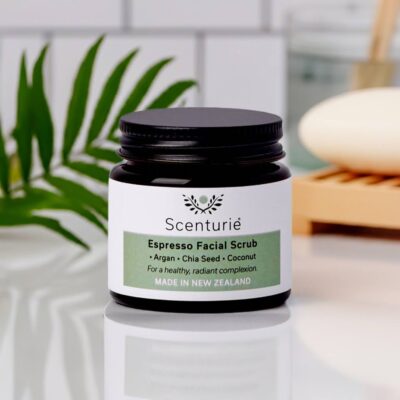
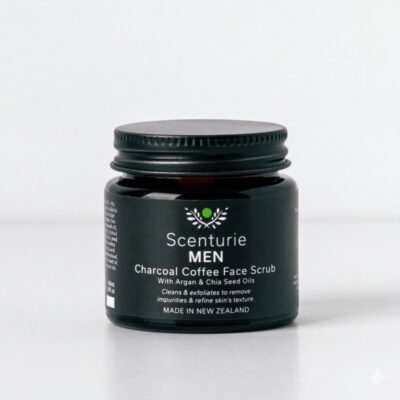
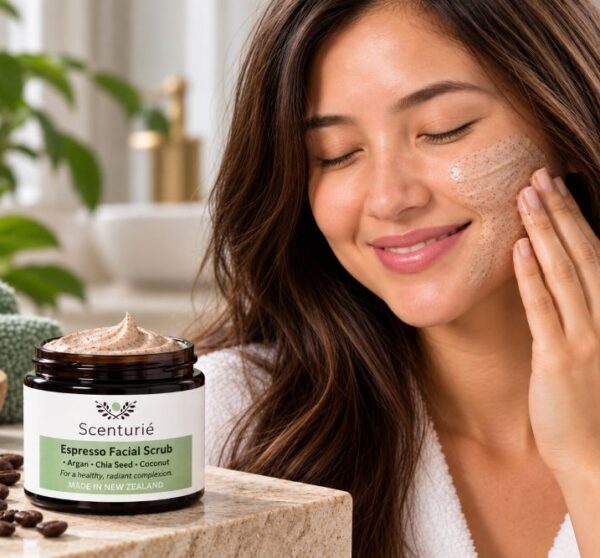
Expresso Facial Scrub: An award-winning blend designed to polish and nourish simultaneously. We suspend ultra-fine, antioxidant-rich, Fair Trade coffee granules in a deeply cushioning base of cold-pressed plant oils and Brassica alcohol. It buffs away dull, flaking cells while leaving your protective moisture barrier supple, velvety, and completely hydrated—never tight.
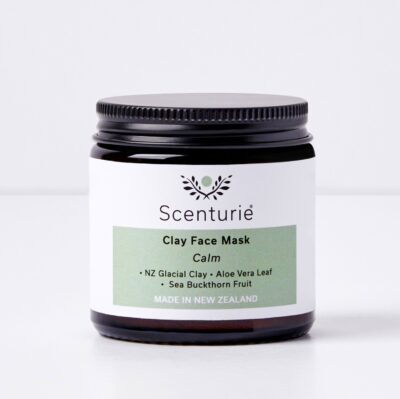
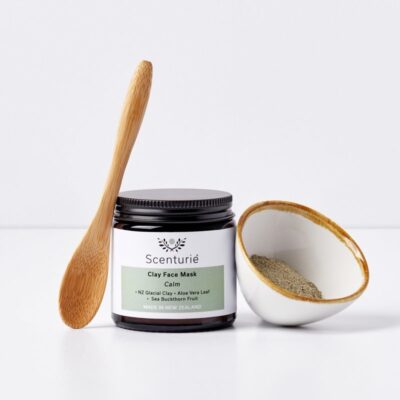
Purifying Clay Face Mask: For days when your skin craves non-abrasive purification. Pure natural clays gently draw impurities and dead keratin from deep within pores while native New Zealand botanicals calm redness and restore balance.
Frequently Asked Questions
Can I exfoliate if I have active breakouts?
Avoid manual scrubs over active, inflamed pustules or cystic lesions, as rubbing can rupture the blemishes and spread bacteria across your face. Instead, use a gentle mineral clay mask to draw out excess oil and calm inflammation without friction.
Why does my skin feel tight and squeaky after exfoliating?
“Squeaky-clean” is a warning sign that your skin’s protective lipid barrier has been stripped. True healthy exfoliation should leave your skin feeling soft, plump, and supple. If your skin feels tight or stings when you apply moisturiser, pause exfoliating for at least a week and focus on barrier-repairing facial oils.
Should I exfoliate before or after cleansing?
Always cleanse first. Cleansing removes sunscreen, makeup, and daily surface dirt so your exfoliant can work directly on dead skin cells without pushing impurities deeper into open pores.
Healthy Radiance Starts with Balance
Smooth, radiant skin isn’t created by force—it is nurtured through biological harmony. By gently assisting your skin’s natural renewal cycle with cold-pressed plant oils and fine botanicals, you reveal your freshest, healthiest complexion while keeping your vital moisture shield intact.
👉 Ready to restore your skin’s natural glow? Explore Scenturie’s Gentle Exfoliating Range