FREE NZ Shipping on orders over $99

Skincare

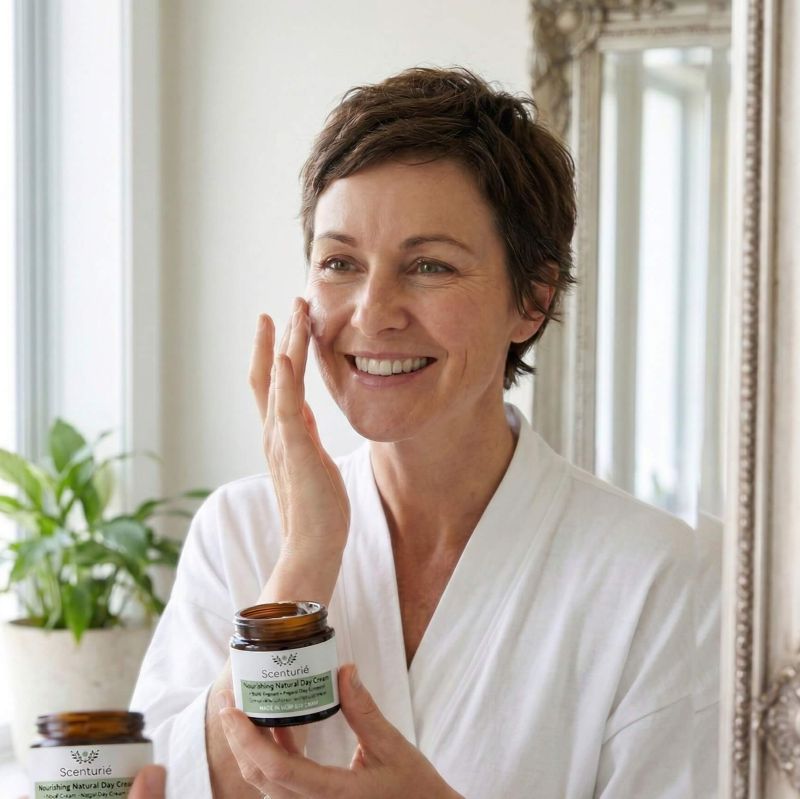
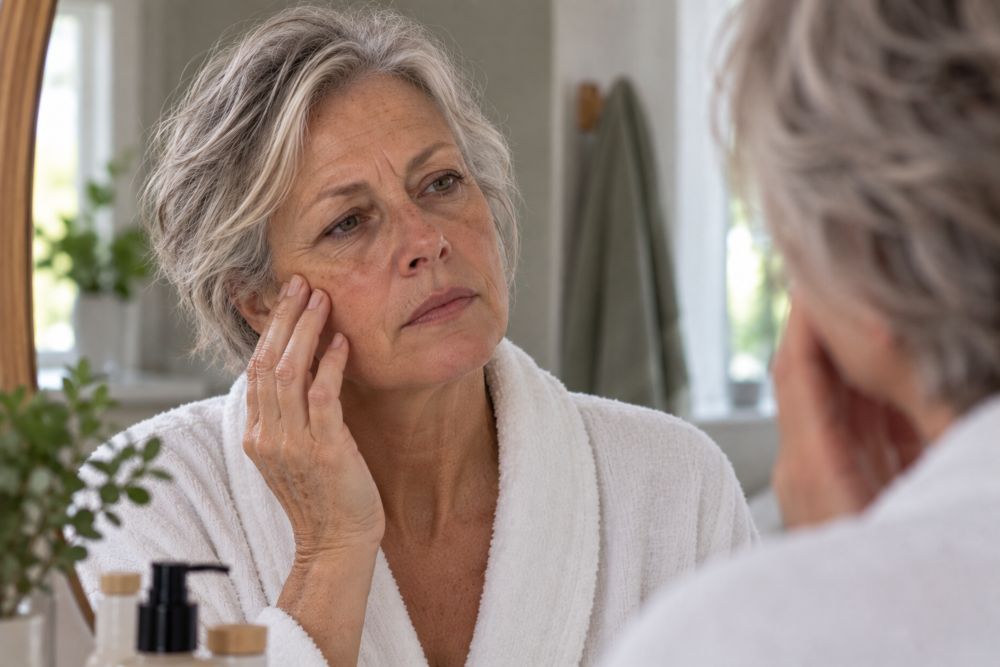
Mature woman looking in mirror at her ageing skin

What If Your ‘Anti-Ageing’ Routine Is Actually Making You Look Older?

Do you look in the mirror and feel like your skin looks older, more fatigued, or more lined than it should?

It’s rarely just one thing. It’s that telltale tight, papery feeling after washing your face. It’s the way makeup that used to glide on now settles into fine lines around your eyes and mouth by lunchtime. It’s the crepey texture creeping across your neck and décolletage, and the frustrating sensation that your skin has lost its inner radiance.

Living in New Zealand makes this challenge even harder. Under our intense Southern Hemisphere sun and brisk coastal winds, even an afternoon outdoors can leave skin feeling parched and trigger stubborn sun spots that seemingly appeared overnight.

So you do what anyone would do: you try to fix it.

You buy the high-end department store “miracle cream.” You try the prescription-strength retinol or aggressive glycolic peel everyone raves about. But within weeks, your face is red, flaky, and stinging. You end up with a bathroom cabinet full of expensive, half-used jars—and skin that looks more dehydrated and lined than when you started.

It is exhausting. And it is not your fault.

The problem isn’t that your skin is failing. The problem is that conventional “anti-ageing” skincare is fighting the wrong battle.


The Trap of “Inflammageing”: Why Aggressive Treatments Backfire

Most conventional anti-ageing products operate on an outdated premise: wound the skin to force it into repair.

They strip your surface oils with harsh surfactants, dissolve protective keratin with aggressive acids, and push cell turnover into overdrive with high-strength retinoids.

While controlled cell turnover is important, over-treating mature skin triggers a destructive biological process known as inflammageing:

Aggressive Acids / Foaming Cleansers / Harsh Retinoids
                          │
                          ▼
            Compromised Lipid Barrier
                          │
                          ▼
     Chronic Low-Grade Inflammation ("Inflammageing")
                          │
                          ▼
 Collagen Breakdown  +  Severe Moisture Loss (TEWL)
                          │
                          ▼
      Deepened Fine Lines, Crepiness, and Redness

When your outer protective shield (the stratum corneum) is stripped:

  1. Moisture Evaporates Instantly: Without an intact lipid barrier, water leaks out through transepidermal water loss (TEWL). Dehydrated skin cells shrink, causing fine surface lines to look dramatically deeper and more pronounced.

  2. Collagen Fibers Degrade: Chronic low-grade inflammation releases matrix metalloproteinases (MMPs)—enzymes that chew through your precious dermal collagen and elastin scaffolding.

  3. UV Vulnerability Skyrockets: In New Zealand’s harsh UV climate, a stripped skin barrier allows solar radiation and free radicals to penetrate deep into the dermis, accelerating pigmentation and sun spots.

Your skin is not a battleground to be punished into submission. It is a living, responsive organ that needs barrier nourishment, deep cellular hydration, and gentle encouragement to renew itself.


The Pro-Ageing Philosophy: Support, Don’t Strip

To restore that soft, plump, lit-from-within glow, you must stop attacking your skin and start replenishing its foundational biology:

  • Cleanse without stripping: Protect the acid mantle and native lipid matrix.

  • Quench with water-binding humectants: Re-inflate flattened epidermal cells.

  • Shield with bio-identical lipids: Trap moisture inside with plant oils that mirror human sebum.

  • Stimulate collagen gently: Use biocompatible actives that communicate with skin cells without provoking inflammatory stress.

When you give your skin the exact structural building blocks it needs, its innate ability to repair, smooth, and revitalise itself is remarkable.


A 5-Step Formulator Ritual for Resilient, Glowing Skin

You do not need a confusing 10-step shelf of products. You only need five foundational steps designed to work in harmony with your skin’s biology:

Step 1: Cleanse with Barrier-Sparing Lipids

Throw away high-foaming gel cleansers and alkaline bar soaps. Washing should never leave your face feeling tight, squeaky, or dry.

  • The Ritual: Massage our Natural Creamy Cleanser, or Facial Cleansing Oil, over dry or damp skin. Formulated at a skin-compatible pH with nourishing plant oils, it dissolves sunscreen and makeup while leaving your essential acid mantle completely intact.


Step 2: Drench the Cells in Water-Based Hydration

Mature skin struggles to retain water. Applying moisturiser to dry skin is like putting lotion on a dry sponge—it sits on top. Skin cells must be infused with aqueous moisture first.

  • The Ritual: Mist generously with Replenishing Natural Face Toner. Rich in pure botanical waters, it instantly re-acidifies the skin after tap water exposure and preps the cellular channels to absorb your serum deeply.


Step 3: Stimulate Collagen with Bakuchiol (Nature’s Retinol Alternative)

If traditional synthetic retinol has left your skin red, peeling, or reactive, plant-derived Bakuchiol is your answer. Clinical studies show Bakuchiol matches retinol’s ability to stimulate collagen synthesis, soften fine lines, and smooth texture—with zero irritation, photosensitivity, or peeling.

  • The Ritual: Gently press 2–3 drops of Super Boost Bakuchiol Serum into damp skin. Packed with pure Bakuchiol, cellular-energising CoQ10, and nutrient-dense Cacay oil, it delivers deep structural rejuvenation without redness.


Step 4: Lock in Hydration with Bio-Compatible Emollients

Once hydration and actives are in the skin, you must lock them in with biocompatible lipids.


Step 5: Shield Against New Zealand’s Harsh UV (AM Essential)

Sunscreen is the ultimate anti-ageing product. In New Zealand, unshielded daily UV exposure breaks down collagen coils and accelerates pigmentation faster than any other factor.

  • The Ritual: Every single morning—rain, hail, or shine—finish your routine with a broad-spectrum, mineral-based SPF 30+ sunscreen.


What Happens When You Switch to a Barrier-First Ritual?

When you stop stripping your skin and begin supporting it, the transformation is visible:

  • Day 1–3: The persistent tight, itchy dryness disappears. Skin feels soft, supple, and comfortable all day long.

  • Week 2–4: The skin barrier seals its micro-cracks. Makeup stops clinging to dry patches, and fine lines appear softened because epidermal cells are properly plumped with water.

  • Month 2–3: Long-term cellular renewal takes hold. Elasticity and firmness improve, pigmentation softens, and your complexion regains its natural, healthy radiance.

You can step off the exhausting cycle of harsh treatments and half-empty bottles. It’s time to feel confident, radiant, and comfortable in your own skin.


Ready to Transform Your Daily Routine?

If you are ready to swap harsh, stripping products for a routine formulated to nurture, protect, and revitalise your skin through every decade, explore our complete, step-by-step guide:

👉 Read Our Complete Guide: The Pro-Ageing Ritual: Your Natural Path to Radiance & Vitality

What If Your ‘Anti-Ageing’ Routine Is Actually Making You Look Older? Read More »

acne-prone skin

Beyond Benzoyl: Why a Barrier-First Approach is Key to Clearing Acne

Updated: September 2026

For decades, conventional skincare has treated acne like an enemy invasion. The standard advice has been aggressive: obliterate every drop of oil with harsh foaming sulphates, sterilise the skin surface with high-strength benzoyl peroxide, and dry active blemishes out until the skin flakes.

Yet for many, this aggressive “war on acne” leads down an exhausting path: a complexion that is tight, red, peeling, reactive, and paradoxically—still breaking out.

Acne is not a hygiene failure or an excess-oil crisis that can be scrubbed away. It is primarily an inflammatory condition rooted in barrier impairment and microbial dysbiosis.

When you shift from punishing your skin to supporting its biological defenses, the cycle of chronic breakouts finally begins to break. Here is the cosmetic chemistry behind why a gentle, barrier-first philosophy delivers clearer, calmer skin for the long term.


The Flaw of the “Scorched-Earth” Approach

Conventional acne treatments like benzoyl peroxide and alcohol-heavy astringents work by acting as broad-spectrum antimicrobials and aggressive drying agents. While they may temporarily shrink an active pustule, they come at a heavy biological cost:

Harsh Surfactants / Benzoyl Peroxide
                 │
                 ▼
       Strips Acid Mantle & Lipids
                 │
                 ▼
      Compromised Skin Barrier
                 │
                 ▼
Rebound Sebum  +  Elevated Inflammation  +  Opportunistic Bacterial Growth
  1. Destruction of the Acid Mantle: Stripping the skin’s surface pushes its pH into an alkaline state. Beneficial, protective flora struggle to survive, while pathogenic strains of Cutibacterium acnes thrive.

  2. The “Rebound Sebum” Paradox: When harsh treatments strip away your surface lipids, your sebaceous glands receive panic signals that the epidermis is exposed. They respond by overproducing sebum—often deficient in linoleic acid—which is stickier and far more likely to clog pores.

  3. Hyperkeratinisation: A dehydrated, irritated stratum corneum cannot shed dead cells efficiently. Desquamation slows down, causing dead keratinocytes to stick together inside the follicular canal, forming new microcomedones (the root of every pimple).


The Three Pillars of a Barrier-First Acne Philosophy

Achieving long-term clear skin requires creating an environment where inflammation is calmed, oil chemistry is balanced, and the acid mantle remains resilient.

1. Extinguish Inflammation First

Acne lesions are inflammatory before they ever become visible on the surface. Instead of attacking active breakouts with drying chemicals that provoke more redness, the initial step is to quench the inflammatory fire.

Native New Zealand botanicals like Harakeke flax gel and Mānuka leaf extract deliver natural phytosterols and antimicrobial bioflavonoids that soothe swollen tissue, relieve heat, and accelerate wound recovery without disturbing skin moisture.

2. Balance Sebum Chemistry with Bio-Identical Lipids

Acne-prone skin does not need to be starved of oil; it needs the right lipids. Research demonstrates that blemish-prone skin frequently suffers from sebum that is low in linoleic acid, making it thick and comedogenic.

Integrating lightweight, biocompatible plant lipids like Golden Jojoba (a liquid wax ester that mirrors natural sebum) and cold-pressed botanical oils helps dissolve hardened plugs, signals the sebaceous glands to down-regulate production, and restores suppleness to pore walls.

3. Clear Congestion Without Cell Trauma

To prevent pores from clogging, you must keep cellular turnover active. However, physical scrubs with jagged particles create microscopic tears in the stratum corneum that spread bacteria. The solution lies in gentle, non-abrasive mineral adsorption and gentle botanical retinoid alternatives.


Targeted Botanicals: Nature’s Precision Actives

Choosing a natural, biocompatible approach does not mean compromising on potency. Modern cosmetic science has unlocked plant actives that match or exceed clinical benchmarks:

  • Bakuchiol (The Retinol Alternative): Sourced from the seeds of Psoralea corylifolia, clinical trials show that Bakuchiol matches retinol’s ability to speed cellular turnover and clear cellular debris—without the dryness, peeling, or phototoxicity. Crucially for acne-prone skin, Bakuchiol acts as a potent antioxidant that inhibits the peroxidation of skin lipids, stopping blemishes before they start.

  • New Zealand Glacial Clay: Formed from ancient volcanic ash in the Southern Alps, this mineral-dense clay carries a strong negative ionic charge that magnetically draws out positively charged impurities and excess sebum without dehydrating the epidermis.

  • Aloe Vera & Pure Plant Hydrosols: Deliver calming, humectant moisture rich in polysaccharides, instantly rehydrating parched tissue and supporting tissue regeneration.


A Calm, Consistent Ritual for Acne-Prone Skin

Consistency and barrier respect are key. This daily routine focuses on calming, clarifying, and reinforcing:

Step 1: Cleanse (pH 4.7–5.5)  ──►  Step 2: Balance (Hydrating Toner)
                                           │
Step 4: Protect & Seal       ◄──  Step 3: Treat (Bakuchiol / Bio-Lipids)
  1. Cleanse (Morning & Night): Wash with Natural Creamy Cleanser. A super-gentle, non-foaming, lipid-rich formula lifts excess sebum, pollutants, and makeup effortlessly without stripping your acid mantle or leaving skin tight.

  2. Balance & Re-Acidify: Apply calming Replenishing Natural Face Toner to clean skin. This resets surface pH after tap water contact, neutralises drying water minerals, and infuses cells with botanical moisture.

  3. Target & Renew: Apply 3-4 drops of Super Boost Bakuchiol Serum. Rich in pure Bakuchiol and CoQ10, this concentrated elixir clears follicular congestion, calms active redness, and encourages healthy cell regeneration overnight.

  4. Hydrate & Protect (Morning & Night): Even oily and breakout-prone skin desperately needs hydration; skipping moisturiser will only trigger rebound sebum and cause more breakouts. Lock in your serum with our lightweight, non-comedogenic Nourishing Natural Day Cream, which delivers essential biocompatible moisture without clogging pores.

    • Morning Addition: To protect your skin from the intense New Zealand sun, always finish your morning ritual with a broad-spectrum, oil-free SPF 30+ mineral sunscreen.

  5. Purify (Weekly Ritual): 1–2 times weekly, mix a fresh batch of Clay Face Mask Calm. Activated with pure water, New Zealand Glacial Clay detoxifies pores while organic coconut milk and sea buckthorn fruit soothe acute redness. Remember: Always rinse while still slightly damp.


True Skin Healing Takes Cooperation, Not Conflict

Clear skin is not the result of waging war on your face. It is the natural outcome of a respected acid mantle, a balanced microbiome, and a nourished lipid barrier.

When you stop stripping and start supporting, your skin ceases its defensive panic. Breakouts diminish, redness fades, and your complexion reveals its natural, balanced radiance.

For many of us, the battle with acne feels like a war. We arm ourselves with harsh scrubs, astringent toners, and drying spot treatments, attacking every pimple with full force. Yet this aggressive approach often leaves our skin in a worse state: red, irritated, flaky, and somehow, still breaking out.

What if the goal wasn’t to fight a war against your skin, but to create peace?

This is the fundamental shift behind a natural approach to clearing acne. It’s a philosophy built on supporting your skin’s own incredible ability to heal. Instead of stripping and punishing, we focus on calming, balancing, and strengthening. This guide explores why this gentle method is so effective for long-term clarity and health.


Ready to Put This Philosophy into Practice?

Understanding why your skin needs a gentle, barrier-first approach is the first step toward lasting skin peace. The next step is knowing the practical, daily steps to take for your specific skin type and environment.

We’ve pulled together our complete, formulator-designed routine—covering morning and evening rituals, lifestyle adjustments, and targeted native botanical routines—in our full guide:

👉 Explore the Guide: The Clear & Confident Ritual: Your Natural Path to Healthy, Balanced Skin

Beyond Benzoyl: Why a Barrier-First Approach is Key to Clearing Acne Read More »

Middle-aged woman with freckles and natural fine lines smiling on a sunny beach, wearing a straw sun hat, with sun-kissed skin and ocean waves in the background.

The Summer Hangover is Real: A 5-Step Botanical Rescue Ritual

Updated: February 2026

The beach days were bliss. The slow afternoons by the pool? Exactly what your soul needed.

Then February arrives, the holiday unwinds, and your skin presents the invoice.

If your face feels two sizes too small by midday, your golden “glow” has faded into flat dullness, and fine lines appear noticeably more etched than they were before the holidays, you aren’t imagining things. You’re dealing with a textbook summer hangover.

While you were making memories, the elements were compromising your skin. UV exposure, sea salt, chlorine, and relentless indoor air conditioning haven’t merely left your skin dry—they have eroded your moisture barrier.

Your skin isn’t just thirsty. It is biochemically depleted.


The “Dry Sponge” Phenomenon: Why Skin Looks Dull & Tired

Think of a healthy moisture barrier like a brand-new kitchen sponge. When saturated, it is supple, bouncy, and resilient. Leave that same sponge on a hot bench in the sun, and it warps—becoming brittle, shrunken, and stiff.

That exact process happens beneath the epidermis:

  • UV-Induced Photo-Depletion: Sun exposure breaks down structural collagen and degrades intercellular lipids, speeding up transepidermal water loss (TEWL).

  • The Osmotic Salt & Chlorine Pull: Saltwater and chlorinated pools draw essential moisture out of vulnerable cells, stripping the protective lipid “mortar” that seals your skin barrier.

  • The Recycled-Air Dehydrator: Transitioning from harsh midday heat directly into blasted air conditioning wicks surface moisture away before cellular repair can start.

The damage isn’t permanent, but recovery requires active, barrier-focused nourishment.


Your 5-Step Botanical Recovery Ritual

   STEP 1           STEP 2           STEP 3           STEP 4           STEP 5
[ Gentle Wash ] → [ Smooth Skin ] → [ Repair Tone ] → [ Deep Seal ] → [ Full Body ]
  Cream Cleanser    Espresso Scrub   Bakuchiol Serum   Night Cream     Hand & Body

1. Halt Barrier Stripping

The last thing fragile, sun-stressed skin needs is foaming agents or sulfates. Cleansing must lift daily grime and SPF without degrading your remaining natural oils.

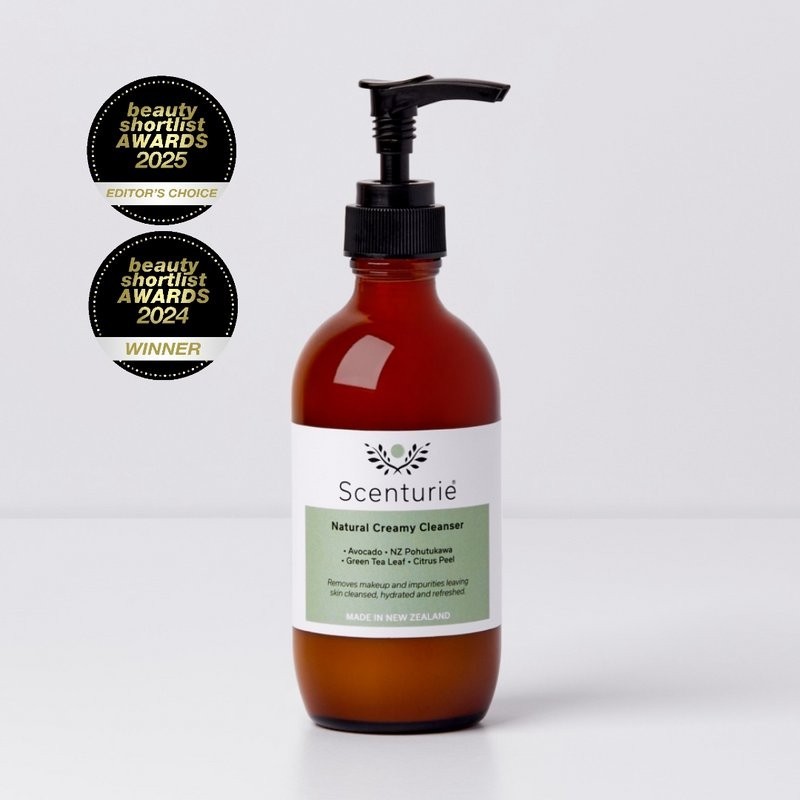
  • The Botanical Solution: Natural Creamy Cleanser

  • Why It Works: Infused with bioactive Pōhutukawa Bark (Aotearoa’s natural skin-conditioning powerhouse) and antioxidant-rich Green Tea, it washes away environmental buildup while coating the barrier in calming plant lipids. It cleanses like a milk and restores like an emulsion.

2. Dislodge the “Summer Crust”

Sun exposure causes dead epidermal cells to clump together into a coarse, uneven surface layer. This creates rough texture and acts as a barrier, preventing your treatment serums from penetrating.

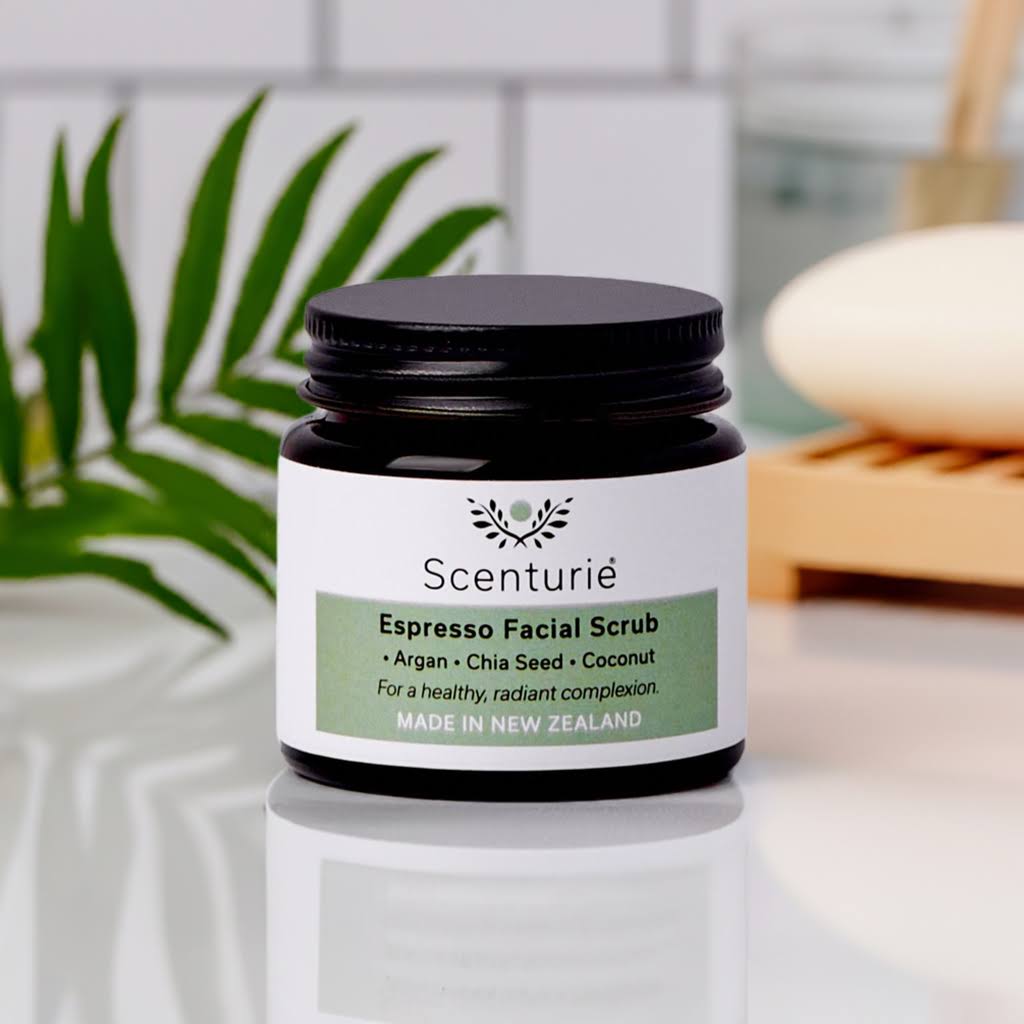
  • The Botanical Solution: Espresso Facial Scrub

  • Why It Works: Finely milled Fairtrade coffee grounds buff away weathered surface cells without causing micro-tears. Natural caffeine stimulates microcirculation to awaken sluggish cellular turnover, helping post-holiday skin breathe again.

3. Target Sun-Induced Discolouration & Fine Lines

Sun exposure often leaves souvenirs: stubborn hyperpigmentation, uneven tone, and fine lines around the eyes and mouth.

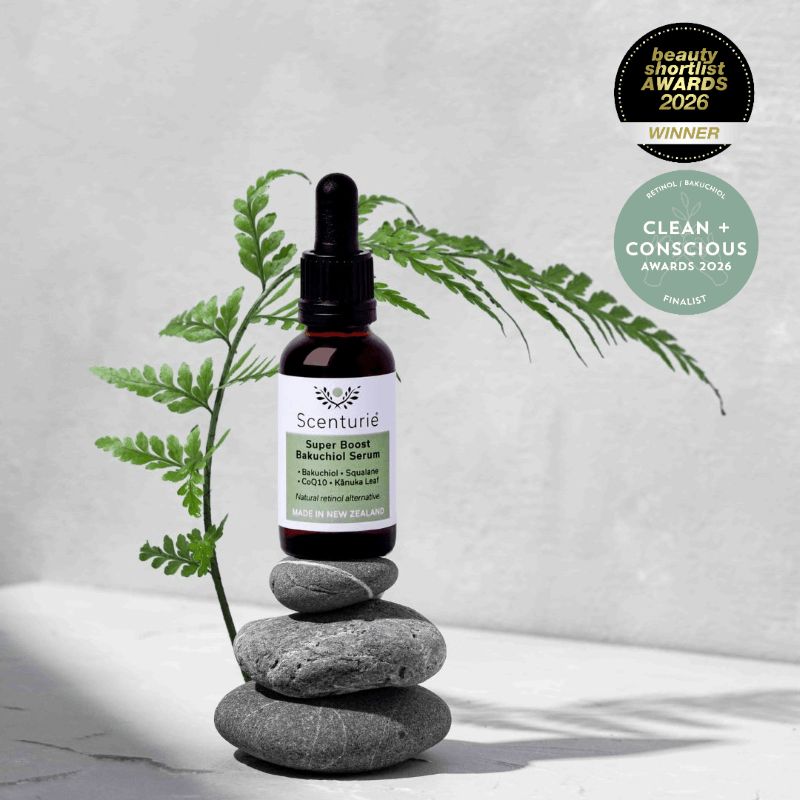
  • The Botanical Solution: Super Boost Bakuchiol Serum

  • Why It Works: Bakuchiol provides all the collagen-supporting and pigment-evening benefits of traditional retinol—without photosensitivity, dryness, or stinging. Formulated in nutrient-dense botanical oils, it works into deep cellular pathways to fade sun damage while keeping the lipid barrier calm.

4. Lock in Deep Overnight Regeneration

Cellular repair peaks while you sleep, but skin cannot repair structural damage without concentrated hydration and lipids.

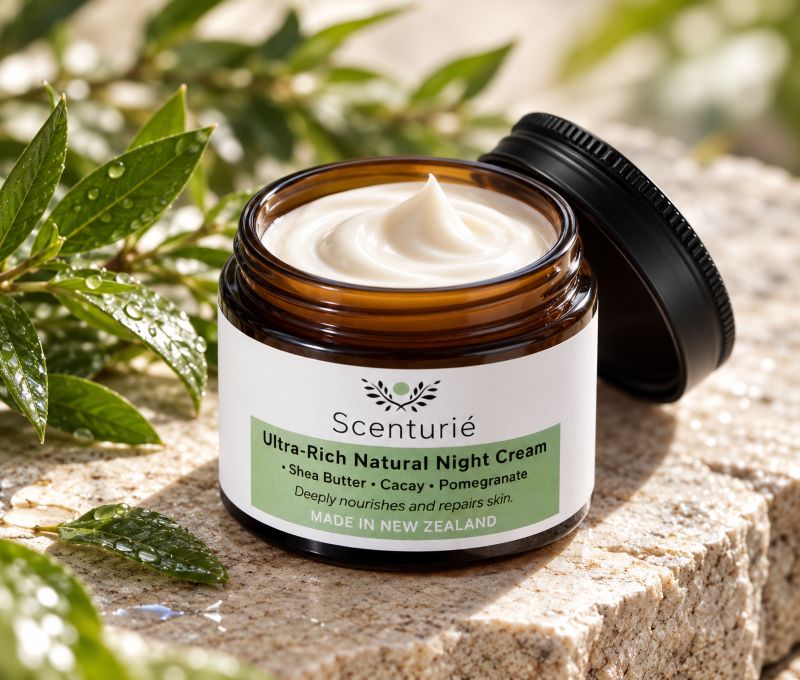
  • The Botanical Solution: Ultra-Rich Natural Night Cream

  • Why It Works: Our award-winning formula pairs Hyaluronic Acid (which binds up to 1,000 times its molecular weight in water to re-inflate depleted cells) with organic Pomegranate Seed Oil and rich Shea Butter. It replenishes moisture overnight, ensuring you wake up to resilient, comfortable skin.

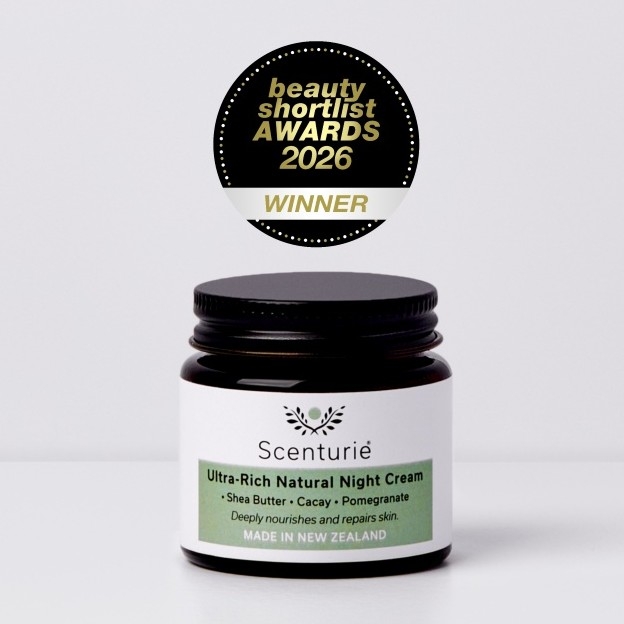
Scenturie ultra-rich natural night cream, an award-winning hydrating botanical face cream in amber glass jar formulated with safe ECOCERT natural preservatives

5. Repair Overexposed Extremities

Your hands, neck, and décolletage catch the strongest UV rays while driving, gardening, and swimming, yet they are routinely overlooked.

The Weekly Reset: The 10-Minute Calm Protocol

Once a week, give compromised skin dedicated recovery time.

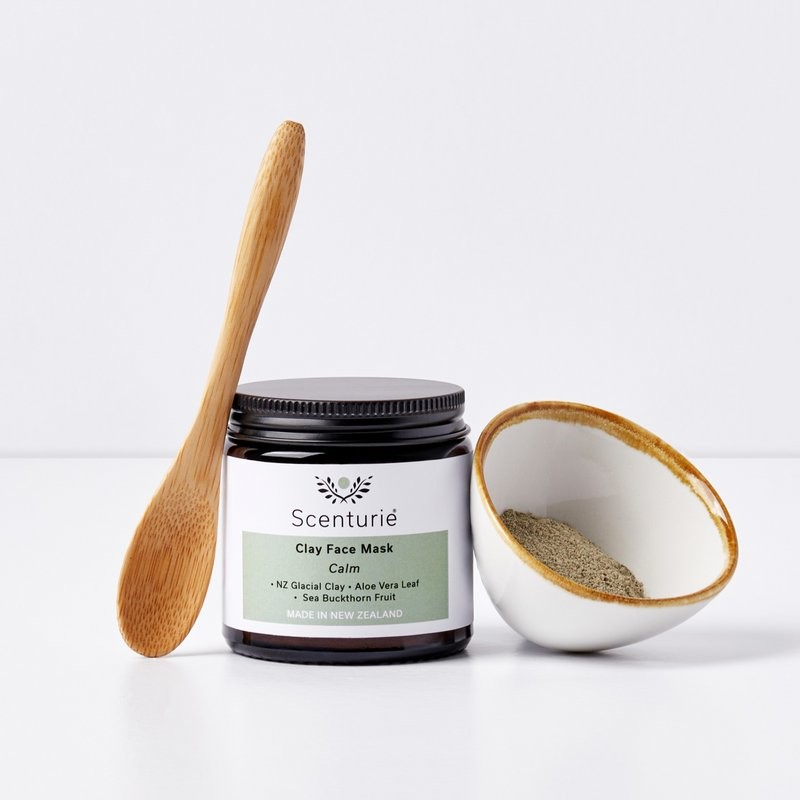
Apply our Clay Face Mask – Calm to clean, damp skin for 10 minutes. While traditional clay masks can leave skin tight, this formulation uses mineral-rich kaolin blended with anti-inflammatory botanical extracts. It lifts heat, pollution, and deep impurities from the pores while returning essential minerals directly into the tissue.


Shop the Post-Summer Saviours

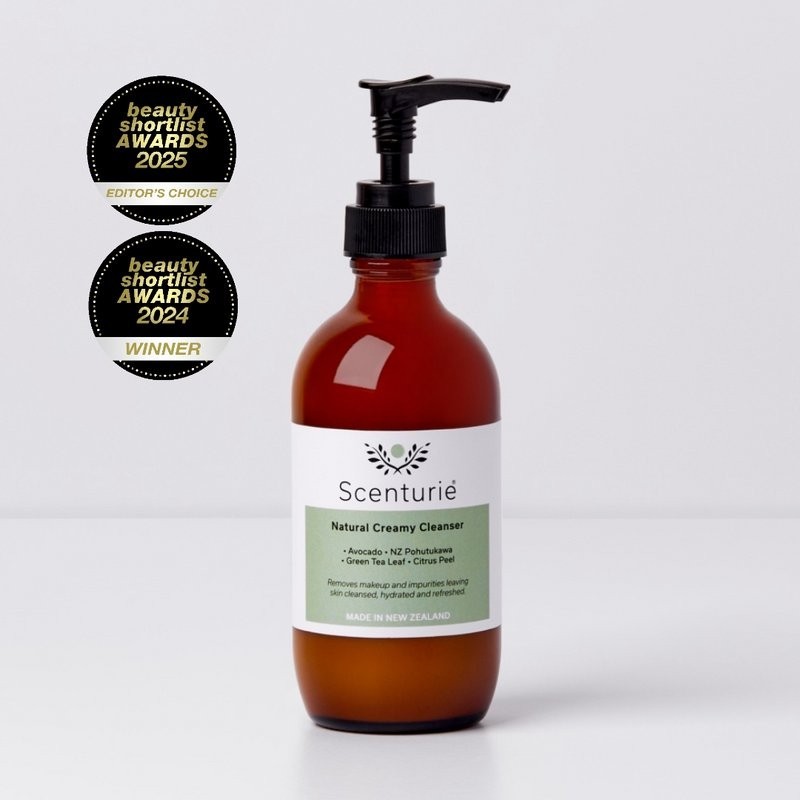
'Best Cream Cleanser 2024' and 'Editor's Choice' award logos for Scenturie's Natural Creamy Cleanser.
Natural Creamy Cleanser
espresso facial scrub
Espresso Facial Scrub
Scenturie Natural Skincare Super Boost Bakuchiol Serum with winner logos for Best Bakuchiol Serum
Super Boost Bakuchiol Serum
Scenturie Ultra-Rich Natural Night Cream, 3-time winner: Best Night Cream Extra-Rich, Best Moisturiser for Menopause, and Best Extra-Rich Moisturiser 2026. Intensive botanical repair in amber glass.
Ultra-Rich Natural Night Cream
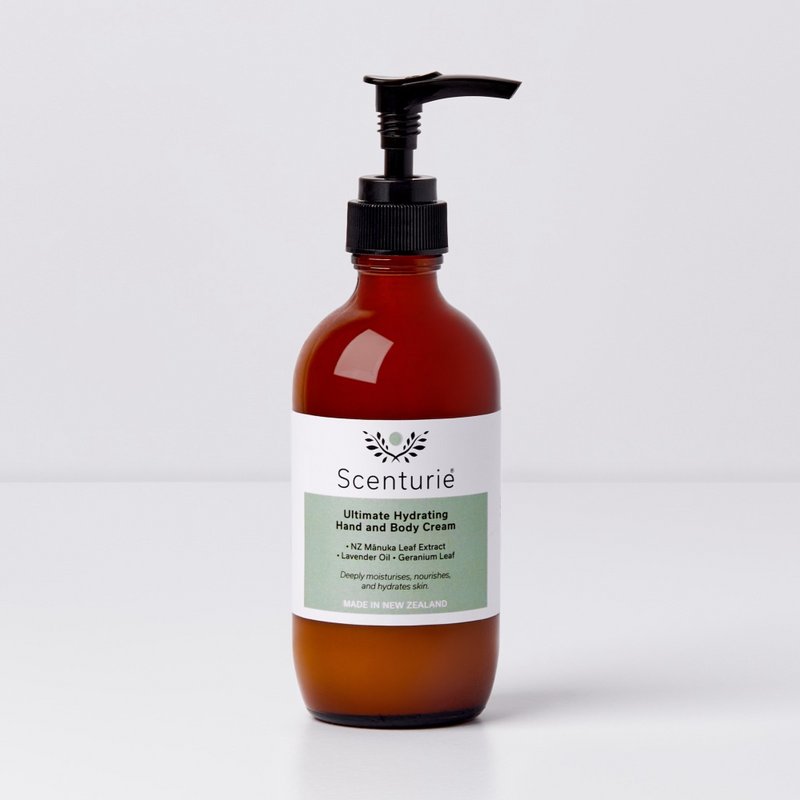
Scenturie Ultimate Hydrating Hand and Body Cream in its **185ml amber glass bottle**.
Ultimate Hydrating Hand & Body Cream
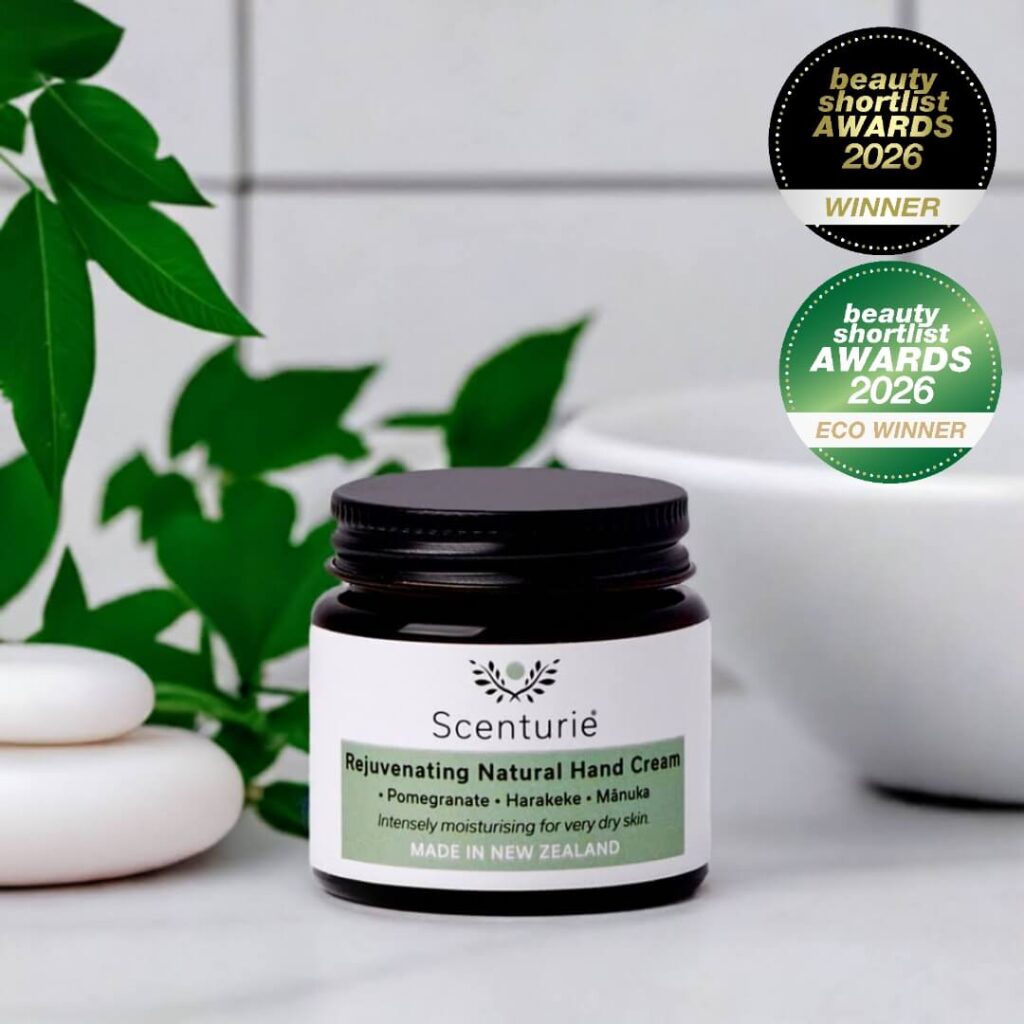
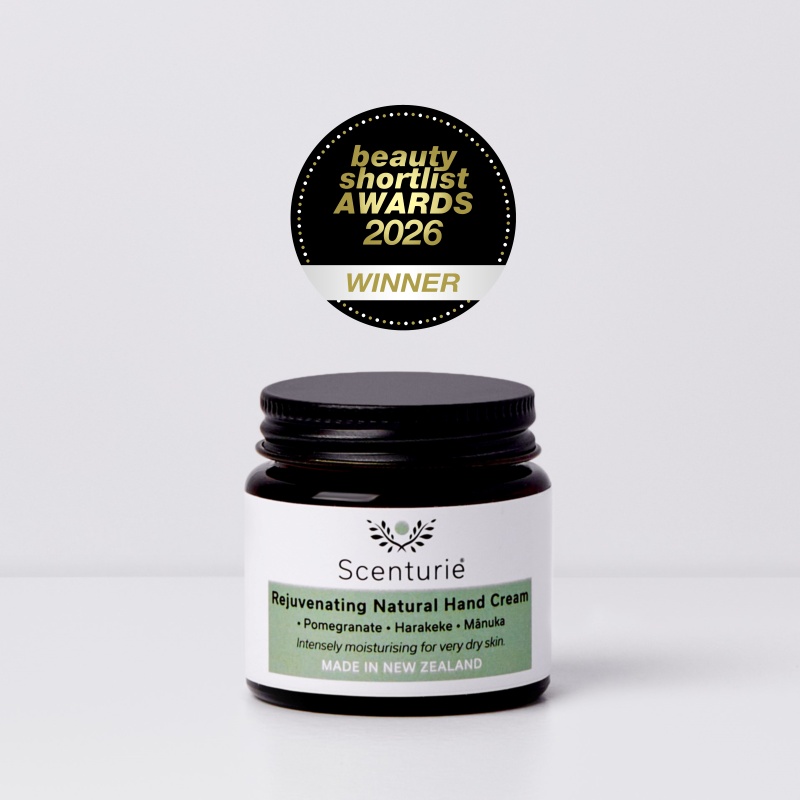
Scenturie Rejuvenating Natural Hand Cream in amber glass jar with 2026 International Beauty Shortlist Double Gold Winner logo. NZ made intensive repair for dry, mature hands.
Rejuvenating Natural Hand Cream
Clay Face Mask Set
Clay Face Mask Set

The Summer Hangover is Real: A 5-Step Botanical Rescue Ritual Read More »

best natural hand cream for dry hands

Dry, Cracked Hands? The Science Behind Natural Barrier Repair

Updated: September 2026

Our hands do more work than almost any other part of our body. From endless washing and garden soil to cold winter winds, household detergents, and daily wear and tear, our hands bear the brunt of everyday life.

Yet, hands are almost always the most neglected area in our skincare routines—until the skin becomes tight, cracked, painful, and raw.

Treating parched hands is not just about slathering on heavy, greasy balms. It requires understanding why the skin on our hands behaves differently from the rest of our body, and how bio-identical plant lipids and native botanicals can rebuild a compromised lipid barrier without leaving a slick residue.


Why Hand Skin Is Especially Prone to Dryness

The skin on your hands faces a unique physiological challenge:

Thin Dorsal Skin + Very Few Sebaceous Glands
                       │
                       ▼
Frequent Soap / Water Strips Fragile Lipid Film
                       │
                       ▼
Rapid Moisture Loss (TEWL) + Knuckle Cracking
  • Zero Natural Oil Reservoir: The backs of your hands have virtually no sebaceous (oil-producing) glands. They cannot replenish their own moisture barrier when washed.

  • Thin Epidermal Layer: The skin on the back of the hand is nearly as delicate as the skin around the eyes, making it susceptible to environmental breakdown and loss of elasticity.

  • The Detergent Effect: Every time you wash dishes or use foaming soap, surfactants dissolve away your skin’s intercellular lipids (ceramides and fatty acids). Over time, microscopic cracks develop across knuckles and cuticles, exposing nerve endings to irritation.


The Botanicals That Rebuild Compromised Hand Barriers

A truly effective hand cream must deliver two things simultaneously: humectant hydration to replenish lost water, and emollient barrier protection to seal that water in.

In formulating our Rejuvenating Natural Hand Cream, we combined restorative plant oils with high-potency New Zealand botanicals

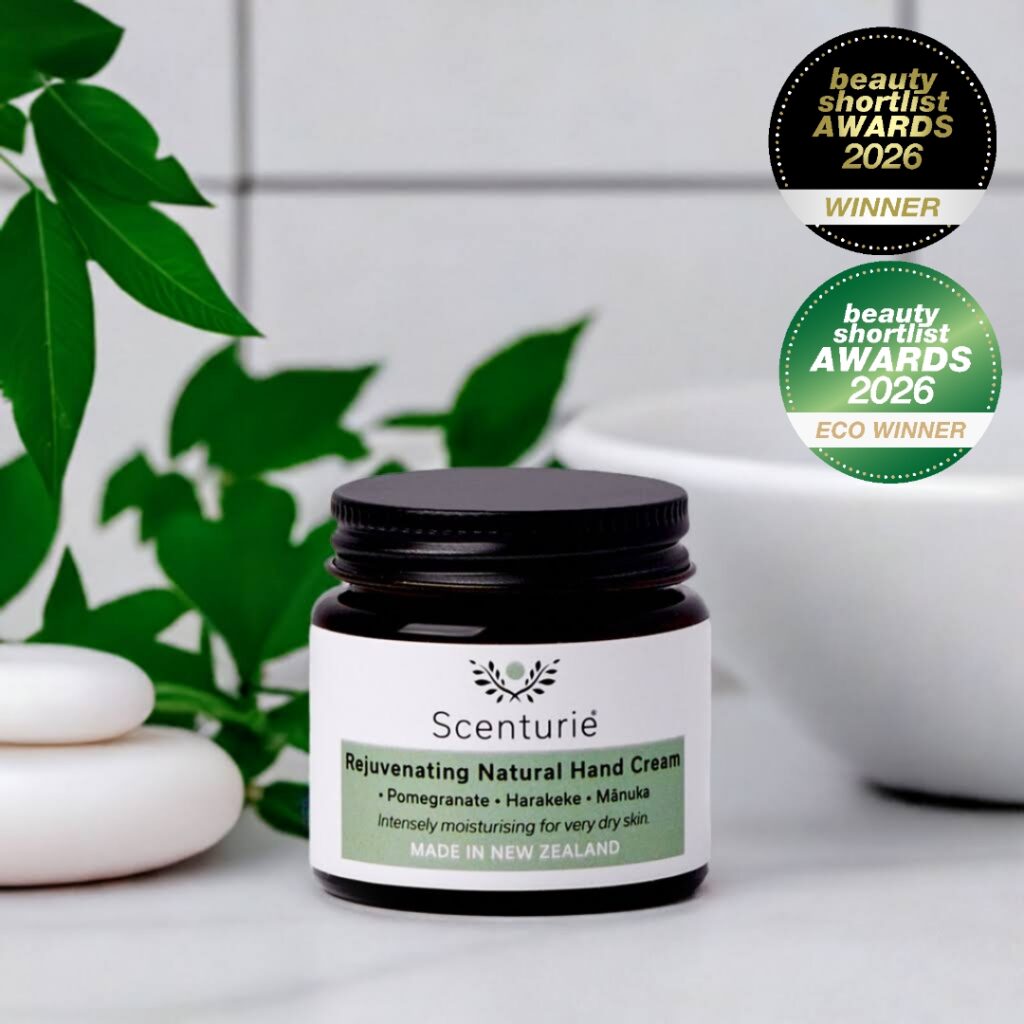
Glass jar of Scenturie Natural Hand Cream in bathroom setting with award logos for best plastic-free body product and best hand Cream 2026
Scenturie's Multi-Award-Winning Rejuvenating Natural Hand Cream
  • 1. NZ Harakeke Flax (Phormium tenax): A native botanical gel rich in phytosterols that instantly soothes micro-tears, eases redness, and delivers cooling, deep hydration.

  • 2. Unrefined Shea Butter: Rich in nourishing fatty acids, it creates a breathable, flexible barrier that locks in moisture without suffocating the skin.

  • 3. Pomegranate Seed Oil: Packed with rare punicic acid (Omega-5), this potent botanical oil neutralises free radical stress, supports skin elasticity, and absorbs deeply to soothe micro-tears without a greasy residue.

  • 4. Native Mānuka Leaf Extract: Celebrated for its natural antimicrobial and anti-inflammatory properties, it actively reinforces fragile, raw skin and speeds the repair of weather-worn knuckles.

The “Fast-Absorb” Difference: No Greasy Film

The primary complaint about rich hand creams is the oily film they leave behind. Many formulas rely on mineral oil or dimethicone to fake smoothness, creating a slick barrier that sits on top of dry skin without ever truly sinking in.

We formulated Rejuvenating Natural Hand Cream with a calibrated botanical emulsion:

  • Instant Comfort: It quenches dryness the second it touches the skin.

  • Rapid Bio-Availability: The plant lipids absorb within 60 seconds, meaning you can immediately return to typing, driving, or working without leaving greasy fingerprints everywhere.

  • Aromatherapeutic Lift: Delicately scented with cold-pressed citrus, cedarwood, and herbaceous botanicals, each application doubles as a calming sensory pause in a busy day.


2026 Triple Gold Winner: International Beauty Shortlist Awards

You don’t have to take our word for it. In 2026, Scenturie’s Rejuvenating Natural Hand Cream earned global recognition at the prestigious International Beauty Shortlist Awards, taking home three top honours:

  • 🏆 Best Hand Repair Cream (Global Winner)

  • 🏆 Best Intensive Therapy Hand Cream (Global Winner)

  • 🏆 Best Plastic-Free Body Product (Global Winner)

  • Plus previously named one of the BEST Hand Creams for dry skin by VIVA Magazine.

“I work outside and wash my hands constantly, so my knuckles were always split and bleeding. Scenturie’s hand cream changed that within 48 hours. It sinks in immediately, soothes instantly, and doesn’t feel slippery. I keep one by the sink and one in my car.” — Sarah T.


“My hands get incredibly dry and cracked from working outside, and this hand cream has been a lifesaver. It’s luxuriously rich, but it doesn’t feel greasy, and a little goes a long way. I also love that it comes in a sturdy glass jar instead of a plastic tube, and the scent is beautiful.” – Vanessa P

The 3-Step Hand Recovery Ritual

To heal severely cracked, rough, or winter-dry hands, adopt this simple evening ritual:

  1. Wash Gently: Avoid harsh antibacterial foaming washes. Cleanse with lukewarm water and a mild, lipid-sparing cleanser.

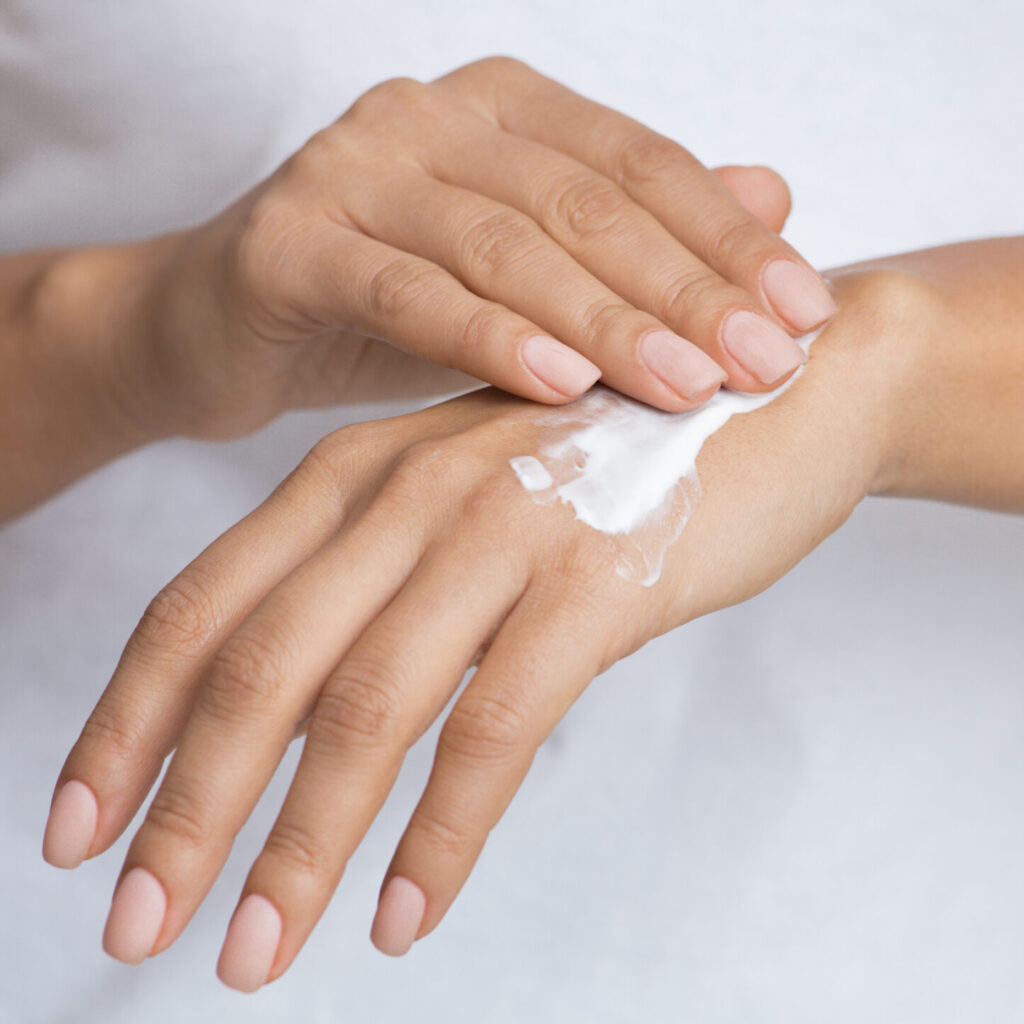
  2. Apply to Damp Skin: While your hands are still slightly damp from drying, massage a small thumb nail-sized amount of Rejuvenating Natural Hand Cream across the backs of your hands, fingers, and cuticles.

  3. The Overnight Intensive Mask: For severely chapped or split knuckles, apply a generous layer right before bed. Slip on a pair of clean cotton gloves overnight to create a gentle occlusive wrap that leaves skin silky and repaired by morning.


Kind to Your Skin, Circular for Aotearoa

Packaged in recyclable amber glass with an aluminium lid to protect active plant antioxidants without plastic leaching, our hand cream is 100% vegan, cruelty-free, and ethically formulated right here in New Zealand.

Dry, Cracked Hands? The Science Behind Natural Barrier Repair Read More »

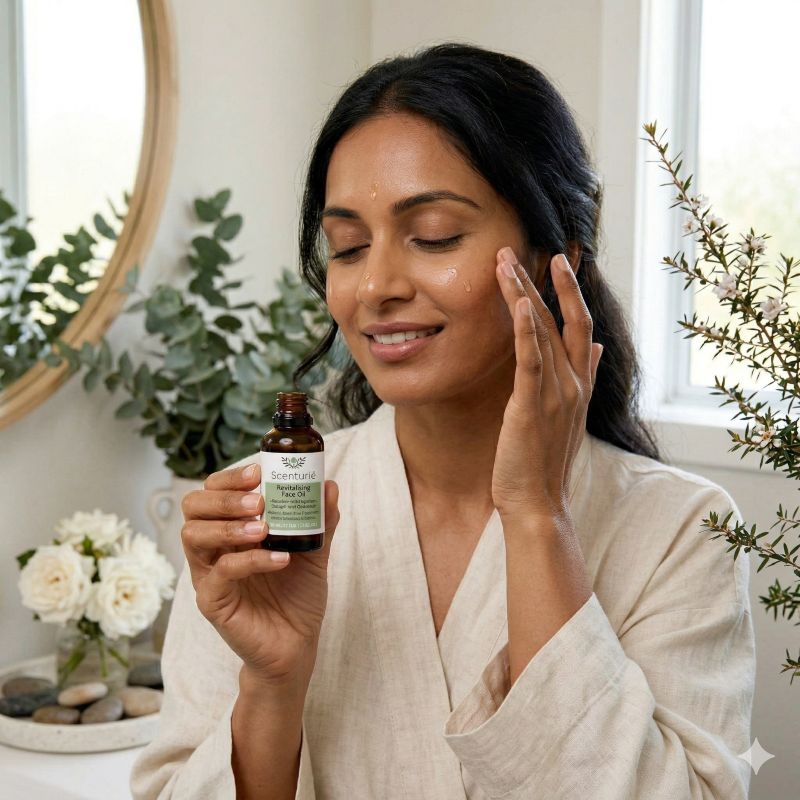
Woman applying Scenturie Revitalising Face Oil

The Best Face Oil for Dry Skin: Why Plant Lipids Transform Parched Complexions

If you struggle with skin that feels perpetually tight, rough, flaky, or dull despite layering on heavy creams, your skin is likely missing one fundamental component: essential lipids.

In the world of skincare, dry skin and dehydrated skin are often confused. While dehydrated skin lacks water, dry skin is a genetic skin type that lacks oil (sebum). When your skin underproduces sebum, the microscopic lipid mortar that holds your skin cells together deteriorates. Moisture evaporates rapidly, leaving your barrier exposed to redness, irritation, and premature fine lines.

Water-based lotions alone cannot fix a lipid deficiency. To restore true comfort and elasticity, you must replenish the intercellular barrier with bio-identical plant oils.

Here is the science behind why cold-pressed botanical lipids outperform mineral oils, how to choose the right fatty acid profile, and why Scenturie Revitalising Face Oil was formulated specifically to rebuild dry, depleted skin.


The Science: How Botanical Oils Repair the Lipid Barrier

Your outermost skin layer (the stratum corneum) is structured like a brick wall: your skin cells are the “bricks,” and your natural lipids are the “mortar.”

When cold winds, indoor heating, age, or harsh cleansers strip that lipid mortar, your skin develops microscopic cracks:

Compromised Barrier (Flaky, Tight)      Healthy Barrier (Restored by Lipids)
    ┌───┐   ┌───┐   ┌───┐                  ┌───┬───┬───┬───┐
    │   │   │   │   │   │                  │   │   │   │   │
    └───┘   └───┘   └───┘                  ├───┴───┴───┴───┤
  ▲ Moisture Escapes (TEWL)                │ Lipid Mortar Intact │
  ▼ Irritants Enter                        └───────────────┘

Applying a biocompatible botanical oil creates a dual-action therapeutic effect:

  1. Bio-Identical Replenishment: Cold-pressed plant oils contain essential fatty acids (Omegas 3, 6, 7, and 9) that integrate seamlessly into your natural lipid matrix, filling in micro-fissures between cells.

  2. Preventing Transepidermal Water Loss (TEWL): Botanical oils form a breathable, non-suffocating lipid shield that locks water deep within the dermis for lasting bounce and suppleness.


Inside the Formula: 7 Potent Botanicals in Revitalising Face Oil

Many commercial face oils use cheap filler bases like mineral oil or synthetic silicones (dimethicone) that simply coat the surface without delivering cellular nutrition.

We formulated Revitalising Face Oil with an unrefined, cold-pressed blend of high-potency seed and fruit oils selected for their unique fatty acid profiles:

  • Wild-Harvested Cacay Seed Oil: Sourced from the Amazon, Cacay is rich in natural retinol (three times more than rosehip oil) and vitamin E. It speeds cellular renewal and softens fine lines without causing the peeling or sensitivity associated with synthetic retinoids.

  • Cold-Pressed Rosehip Seed Oil: Rich in provitamin A and essential linoleic acid, rosehip accelerates tissue repair, strengthens collagen synthesis, and brightens post-inflammatory hyperpigmentation.

  • Pomegranate Seed Oil: Packed with rare Punicic acid (an Omega-5 conjugated fatty acid), pomegranate provides targeted antioxidant defense, neutralising free radical damage and supporting skin density.

  • New Zealand Avocado Oil: Deeply conditioning and rich in oleic acid, phytosterols, and vitamins A, D, and E, locally grown avocado oil melts into parched tissue to restore elasticity and soften stubborn dry patches.

  • Sea Buckthorn Fruit Oil: Vibrant orange and bursting with Omega-7 (palmitoleic acid)—a rare fatty acid naturally present in youthful skin that declines with age—sea buckthorn soothes chronic redness and speeds epidermal healing.

  • Golden Jojoba Seed Oil: Chemically a liquid wax ester rather than a true triglyceride, jojoba mirrors human sebum more closely than any other botanical. It regulates natural oil production and prevents moisture loss without clogging pores.

  • Pure Moroccan Argan Oil: Celebrated for centuries for its high concentration of vitamin E and squalene, argan oil reinforces skin elasticity and creates a silky, luminous finish.


How to Use Face Oil Correctly for Dry Skin

The secret to getting the best results from your face oil comes down to application order. Oil locks in moisture, but it does not supply water.

The Golden Rule: Always Apply to Damp Skin

Never apply facial oil to completely dry skin. For deep nourishment, apply it directly over water-based hydration:

  1. Cleanse Gently: Wash with a lipid-protective cleanser like our Natural Creamy Cleanser that preserves your natural oils.

  2. Hydrate: Apply Replenishing Natural Toner to balance and prepare your skin.

  3. Press, Don’t Rub: Dispense 3 to 4 drops of Revitalising Face Oil onto your palms, warm them together, and gently press your hands into your face and neck. Pressing pushes the lipids into the epidermis without tugging delicate tissue.

  4. Day & Night Customisation:

    • Morning Glow: Press 2–3 drops under your Nourishing Natural Day Cream (or blend a drop directly into your cream) to create a protective, dewy base before sunscreen.

    • Overnight Recovery: Apply 4–5 drops as the final step of your evening ritual under Ultra-Rich Natural Night Cream to lock in hydration while you sleep.


Sustainable, Circular Beauty

Your skincare should be as kind to the earth as it is to your skin.

  • Amber Glass Preservation: Our formulas are housed in recyclable amber glass bottles to protect light-sensitive botanical antioxidants from degradation without plastic leaching.

  • Zero-Waste Aluminium Refills: Once you finish your first bottle, keep your dropper and order our aluminium refill cap option to eliminate single-use plastic waste.

  • Bottles Returned & Reused: Through our Scenturie circular return scheme in New Zealand, we sterilise, wash, and reuse your empty bottles right here at home.


What Our Customers Say

“Scenturie’s Revitalising Face Oil is my favourite skincare product. It is so nourishing for my skin and leaves it feeling hydrated and glowing. I have received many compliments on my skin since using Scenturie products. I can highly recommend this brand.” — Sandi N

“A beautiful, rich face oil perfect for my dry, ageing skin. It feels so luxurious and smells so lovely. I apply 2-3 drops in the morning after cleansing and toning, and it keeps my skin feeling and looking good all day.” – Anika S

The Best Face Oil for Dry Skin: Why Plant Lipids Transform Parched Complexions Read More »

The End of Compromise: Why 2026 is the Year to Align Your Skincare with Your Values

Updated: October 2026

Take a look at your bathroom vanity. If you have ever flipped a jar over, scanned a 30-ingredient Latin-and-chemical list, and felt a quiet pang of hesitation, you are far from alone.

Perhaps it is the realisation that a product marketed as “clean” still conceals cheap fillers. Maybe it is discovering that “natural” often conceals animal byproducts. Or perhaps your skin is actively voicing its objection through persistent barrier tightness, sudden contact redness, and a surface dullness that moisturiser can no longer remedy.

There is a simple truth about your skin: you only get one skin barrier, and it is a living, selective biological organ. It is not an inert synthetic surface. What you apply topically interacts directly with your cutaneous microbiome, lipid matrix, and cellular turnover.

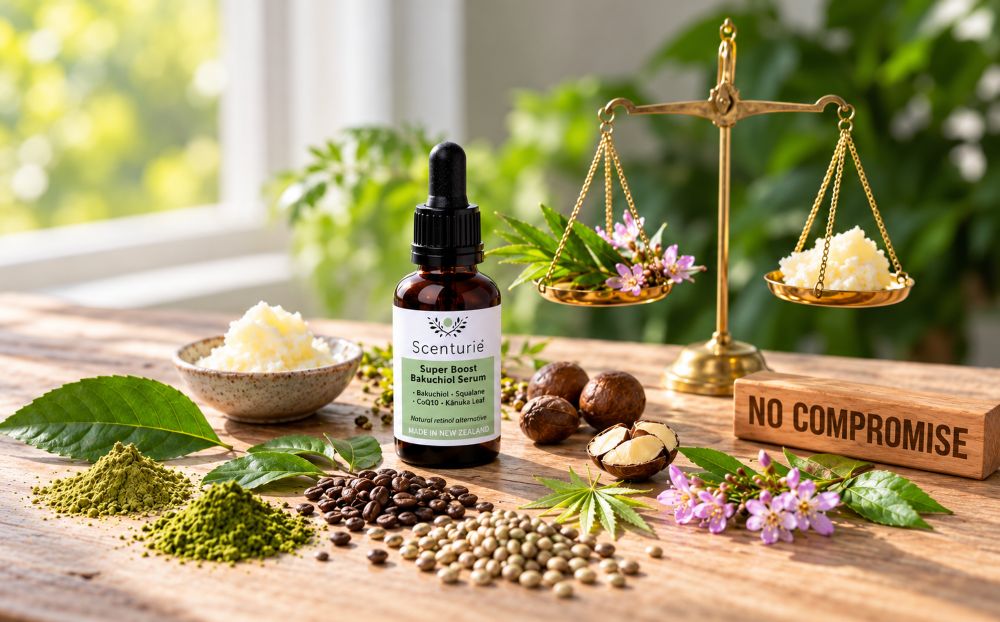
At Scenturie, we believe daily skincare should never demand a compromise between clinically verified results and your ethical values. You do not need to sacrifice biological efficacy to choose cruelty-free integrity.

Here is why 2026 is the turning point for ethical cosmetic chemistry, what hidden animal derivatives are lurking in conventional skincare, and why biocompatible botanical actives offer superior dermal support.


In a Nutshell: Key Takeaways

  • Cruelty-Free vs. 100% Vegan: Cruelty-free indicates that no animal testing occurred; vegan confirms that zero animal-derived tissues, greases, or processing aids are inside the formula.

  • The Tallow Re-Emergence: Ancestral animal fats like beef tallow are heavy, occlusive saturated fats that carry high comedogenic risks. They lack the cellular polyphenols, bio-flavonoids, and essential fatty acids found in cold-pressed seed oils.

  • Hidden Animal Derivatives: Ingredients like squalene (shark liver), lanolin (sheep wool grease), and collagen (bovine/fish hide) are frequently disguised behind technical trade names.

  • Biocompatible Bio-Actives: Cold-pressed botanicals such as Cacay, Harakeke, and Bakuchiol deliver targeted molecular nutrients that absorb seamlessly into the lipid matrix without suffocating epidermal respiration.


The Core Distinction: Vegan vs. Cruelty-Free

Before auditing an ingredient deck, it is essential to clarify a recurring consumer misconception:

  • Cruelty-Free guarantees that a finished cosmetic product and its raw materials were not subjected to animal testing during development.

  • 100% Vegan guarantees that the formulation contains zero animal tissues, secretions, or animal-derived byproducts.

A product can be certified cruelty-free while simultaneously containing crushed cochineal scale insects for red pigment (carmine), shark liver oil for emolience (squalene), or sheep wool wax for waterproofing (lanolin).

Opting for 100% vegan formulation goes beyond avoiding animal testing: it means prioritizing unadulterated plant biochemistry engineered by nature for cellular repair.


The Tallow Revival: Ancestral Wisdom or Biological Backward Step?

You may have noticed rendered beef tallow being heavily promoted across social media as an “ancestral, bio-identical” moisturiser.

While beef tallow does provide surface-level lipids, it remains an unrefined, highly occlusive byproduct of the commercial cattle industry. From a clinical perspective, human sebum is a sophisticated mixture of squalene, wax esters, triglycerides, and free fatty acids. Rendered bovine tallow consists predominantly of heavy saturated stearic and palmitic acids.

For most modern complexions—particularly those prone to adult congestion, perioral dermatitis, or barrier sensitivity—tallow forms a dense, non-breathable blanket. This film traps dead keratinised skin cells and cutaneous bacteria (Cutibacterium acnes).

Furthermore, animal fat provides virtually zero plant polyphenols, bio-flavonoids, or botanical vitamin precursors. High-performance plant oils deliver identical barrier-cushioning qualities alongside an intricate, living array of cellular antioxidants.

Plant Oils vs. Animal Byproducts: What’s Best for Your Skin?

What MattersScenturie Plant Oils (Cacay, Argan, Jojoba)Animal Fat & Beef Tallow
Will it clog pores?Won’t clog pores. Light and breathable so your skin stays clear.High risk of breakouts. Heavy fats can trap sweat, dead skin, and bacteria.
Nutrients for your skinLoaded with skin food. Packed with natural plant vitamins, antioxidants, and omegas.Very limited. Mostly plain saturated fat—none of the active antioxidants found in plants.
How it feels on your skinSinks right in. Absorbs quickly to leave a soft, natural glow with zero greasy feel.Heavy and waxy. Tends to sit on top of your face like a greasy mask.
Does it actually repair skin?Actively renews. Helps smooth fine lines, calm redness, and repair sun-stressed skin.Only seals moisture. Acts like a plastic wrap—it locks moisture in, but doesn’t actively repair or renew cells.
Impact on the planetKind & sustainable. 100% vegan, cruelty-free, and ethically grown from renewable plants.Livestock byproduct. Sourced from high-emission, industrial meat production.

A Note from Tania

“When I first started formulating botanical skincare, I was stunned by how often animal leftovers were tucked away behind complicated chemical names. With my background in health science, I knew these ingredients weren’t just an ethical question—they simply weren’t giving our skin the rich, active nutrients it actually needs.

Plants produce incredible natural compounds specifically designed to repair cells, endure harsh sunshine, and protect against stress. You shouldn’t need a science degree to know what you’re smoothing onto your face every morning. I wrote this guide to help you see straight through misleading marketing and feel confident choosing pure, gentle, plant-powered care.”

— Tania Cibulskis, Founder & Cosmetic Formulator (PGDipHSc, BHSc, BSc)

Bathroom Audit: 5 Hidden Animal Ingredients to Watch For

Many conventional brands use technical jargon to disguise animal byproducts on their ingredient labels. Keep this handy cheat sheet nearby when checking your bottles:

1. Squalene (with an “e”)

  • Where it usually comes from: Harvested from shark livers.

  • The plant-based swap: Squalane (with an “a”), pressed from pure Spanish olives. It matches the natural moisture your skin already makes, stays fresh longer, and keeps our oceans safe.

2. Lanolin

  • Where it usually comes from: The greasy coating washed out of sheep’s wool.

  • Why it causes trouble: While it feels thick and moisturising, lanolin is a notorious trigger for breakouts, contact allergies, and itchy eczema patches.

  • The plant-based swap: Rich African Shea Butter and cold-pressed Jojoba oil, which soften dry patches deeply without irritating delicate skin.

3. Animal Collagen

  • Where it usually comes from: Boiled cow hides or fish scales.

  • The honest truth: Whole collagen molecules are far too large to soak through your skin—they just dry on the surface as a sticky film.

  • The plant-based swap: Help your skin make its own collagen by feeding it Cacay Seed Oil (nature’s richest plant source of Vitamin A) and gentle plant peptides.

4. Caprylic Acid

  • Where it usually comes from: Often separated from cow or goat dairy milk.

  • The plant-based swap: Fractionated coconut oil, which gives creams a silky, non-greasy feel that absorbs in seconds.

5. Oleic & Stearic Acids

  • Where it usually comes from: Often rendered from slaughterhouse animal fat (tallow).

  • The plant-based swap: Pure essential fatty acids pressed straight from botanical seeds like Argan, Sweet Almond, and Evening Primrose.


Feed Your Skin Real Nutrients, Not Cheap Fillers

Mainstream skincare often relies on animal fats and mineral oils for one simple reason: they are cheap to buy, last forever on a warehouse shelf, and create a quick, artificial slip.

The downside? They act like a plastic wrap over your face. They sit heavily on the surface, suffocating your pores while leaving your deeper skin cells parched and thirsty underneath.

Plants, on the other hand, are packed with living nutrition your skin instantly welcomes:

  • Plant Hyaluronic Acid: Fermented from natural plant sugars, these micro-sponges slip straight beneath the surface to hold onto water and plump dehydration lines.

  • Bakuchiol (The Gentle Retinol Alternative): Extracted from the Ayurvedic Babchi plant, it smooths fine lines and speeds up cell renewal just like traditional retinol—with none of the burning, peeling, or sun sensitivity.

  • Native NZ Botanicals: Wild-harvested Harakeke and Kawakawa, evolved to survive intense Southern Hemisphere UV, calm redness and soothe irritation deep down.

The Scenturie Plant-Powered Routine

Simple, high-performance skincare made without animal derivatives, cheap fillers, or compromise:

Step 1: Cleanse & Soften

Natural Creamy Cleanser | 195mL — $60

Free from animal greases, harsh foaming agents, and mineral oils. Infused with soothing native New Zealand Pōhutukawa Bark and Green Tea to wash away makeup, sunscreen, and daily grime while leaving your skin calm and nourished.

Shop Natural Creamy Cleanser → 

Step 2: Smooth & Firm

Super Boost Bakuchiol Serum | 30mL — $72

Your botanical alternative to harsh synthetic retinol and animal collagen. Packed with pure Bakuchiol and nutrient-rich Cacay Oil to smooth expression lines, improve firmness, and bring back a healthy, youthful glow.

Shop Super Boost Bakuchiol Serum → 

Step 3: Deep Nightly Hydration

Ultra-Rich Natural Night Cream | 2026 Triple Gold Winner | 60mL — $60

Crafted with vegan plant hyaluronic acid, olive squalane, and unrefined raw shea butter. It wraps dry, mature, or sensitive skin in rich, comforting moisture so you wake up with soft, plump skin every morning.

Shop Ultra-Rich Natural Night Cream → 


Lightening Your Daily Chemical Load

Your skin absorbs much of what you put on it. Because raw animal fats spoil quickly and carry an unpleasant scent, conventional formulas often add heavy synthetic fragrances, chemical stabilisers, and harsh preservatives (like parabens and phthalates) to mask them.

These synthetic additives can act as hormone disruptors, upsetting your body’s delicate internal balance over time.

Choosing 100% plant-based formulas with clean, food-grade preservatives lowers the chemical load you carry each day. It gives your skin a breather, letting its natural repair systems do what they were born to do.


A Kinder Choice for New Zealand & Australia

Commercial livestock farming places a heavy burden on our environment—from massive land clearing to high carbon emissions and water use. Bringing those industrial supply chains into your daily self-care ritual is an unnecessary footprint.

Switching to botanical skincare is a practical, positive way to care for your skin and the world around you.

At Scenturie, our environmental promise is simple and transparent:

  • 100% Vegan & Cruelty-Free: Never tested on animals, and no animal ingredients—ever.

  • Free From Unsustainable Palm Oil: Protecting native rainforests and endangered wildlife habitats.

  • Circular Glass Jars & Bottles: Infinitely recyclable amber glass supported by our local refill and return system across New Zealand.


How to Switch (Without Throwing Everything Away)

You don’t have to empty your bathroom cupboards into the bin today. Real, lasting change is easiest one simple step at a time:

  1. The “One-In, One-Out” Rule: When your current face wash or lotion runs out, simply replace it with an ethical, 100% plant-based option.

  2. Prioritise Leave-On Products First: Cleansers wash down the drain in seconds. Focus first on the products that sit on your face all day or night—like your serum, face oil, and night cream—where pure plant nutrients do their best work.

  3. Check the Fine Print: Look past generic “cruelty-free” bunny logos. Check the label for telltale animal fats like stearic acid, lanolin, tallowate, and carmine.


Frequently Asked Questions

Does vegan skincare really work as well as traditional products?

Yes—and often much better. Your skin doesn’t need animal tissue to rebuild itself; it needs biocompatible vitamins, essential fatty acids, and water-binding hydration. Plant oils and extracts share a structure remarkably close to your skin’s natural oils, meaning they sink in easily to repair your moisture barrier rather than just sitting on top.

Will rich botanical oils cause breakouts?

Not when they are clean, lightweight seed oils. Heavy animal fats like beef tallow and lanolin form a waxy seal that traps sweat and bacteria. In contrast, pure plant oils like Jojoba, Rosehip, and Cacay let your skin breathe, helping balance your natural oil levels without clogging pores.

Does “Vegan” always mean a product is natural?

Not always! Many commercial brands sell products made from synthetic chemicals or petroleum derivatives that contain no animal products, allowing them to carry a “vegan” label. At Scenturie, our standard is 100% Vegan AND 100% Naturally Derived. We leave out synthetic perfumes, petroleum fillers, and harsh chemicals, giving your skin pure plant goodness.


Skincare That Makes You Feel Good Inside and Out

You should never have to choose between skincare that delivers real results and skincare that reflects your heart. By swapping heavy animal fats and petrochemicals for living, biocompatible plants, you give your skin the gentle, radiant care it deserves—and help build a kinder world while you’re at it.


Helpful Guides & Natural Care

Shop the 100% Vegan Scenturie Collection → 

The End of Compromise: Why 2026 is the Year to Align Your Skincare with Your Values Read More »

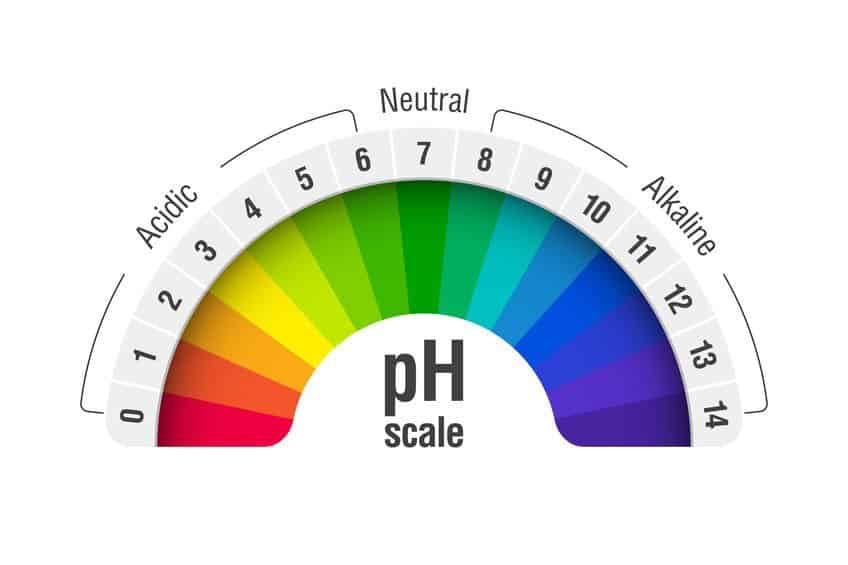
pH Scale

The Importance of pH in Skincare: How to Protect Your Acid Mantle

Updated: September 2026

Have you ever washed your face and felt that tight, “squeaky clean” sensation?

While we are often conditioned to think that tightness means our skin is clean, it is actually a distress signal from your skin barrier. That tight feeling means you have stripped away your skin’s acid mantle and disrupted its natural pH balance.

Understanding skin pH is one of the most transformative shifts you can make for your skin. It explains why mysterious breakouts, sudden sensitivity, chronic redness, and premature fine lines appear—and how a few simple swaps can restore your skin’s resilience.


What Exactly Is Skin pH?

The term pH stands for “potential of hydrogen” and measures how acidic or alkaline a water-based solution is on a scale of 0 to 14:

  • 0 to 6.9: Acidic (e.g., lemon juice, coffee)

  • 7.0: Neutral (pure distilled water)

  • 7.1 to 14: Alkaline (e.g., baking soda, traditional bar soap)

While pure water sits at neutral 7.0, healthy human skin is naturally acidic, averaging between 4.7 and 5.5.


Meet the Acid Mantle: Your Invisible Shield

Covering the surface of your skin is a delicate, invisible film called the acid mantle. Made from natural sebum (fats), amino acids, sweat, and beneficial lactic acid, this slightly acidic environment serves four critical biological functions:

  1. Defends Against Pathogens: Harmful, blemish-causing bacteria (like Cutibacterium acnes) thrive in neutral-to-alkaline environments. The acidic pH keeps them dormant while nourishing your skin’s friendly microbiome.

  2. Locks in Hydration: Your skin’s natural lipid barrier depends on acidic enzymes to produce ceramides. When pH rises, ceramide production drops, allowing moisture to evaporate (transepidermal water loss).

  3. Calms Inflammation: An alkaline skin surface triggers inflammatory signals, making skin hyper-reactive, itchy, and prone to eczema or rosacea flare-ups.

  4. Enzymatic Exfoliation: The enzymes responsible for shedding dead skin cells require a pH under 5.0. When disrupted, old cells accumulate, leaving skin dull and congested.


The Hidden Culprits That Disrupt Your Skin’s pH

Your acid mantle is tough, but modern beauty habits constantly push it into an alkaline danger zone:

Alkaline Soap / Tap Water (pH 7.0–10.0) 
                 │
                 ▼
       Strips Acid Mantle 
                 │
                 ▼
    Elevated Surface pH (Alkaline)
                 │
                 ▼
Dryness • Redness • Weakened Barrier • Adult Breakouts
  • Foaming Sulphate Cleansers & Bar Soaps (pH 8–10): Traditional soap is naturally alkaline. Washing with a high-pH soap can disrupt the acid mantle for up to 6 hours after rinsing.

  • Tap Water (pH 7.0–8.0): Even plain tap water is more alkaline than your skin. If you wash without re-balancing, your barrier remains vulnerable.

  • Over-Exfoliating with Strong Chemical Peels: Swinging too far into extreme acidity (pH under 3.5) causes chemical burns and destroys barrier lipids.


4 Signs Your Skin’s pH is Out of Balance

If your acid mantle has been compromised, your skin will show it:

  1. The “Squeaky Clean” Tightness: Skin feels stretched or uncomfortable within 5 minutes of washing.

  2. Adult Breakouts & Congestion: Pores flare with inflammation because the acidic defense against bacteria has collapsed.

  3. Flakiness Paired with Oiliness: Your barrier loses moisture rapidly, causing your skin to overproduce oil to compensate (dehydrated skin).

  4. Stinging with Gentle Products: When basic moisturisers or oils sting upon application, micro-cracks have formed in the acid mantle.


How to Maintain a Healthy, Balanced Skin pH

Restoring balance does not require a complex 10-step routine. It simply requires respecting your skin’s biology:

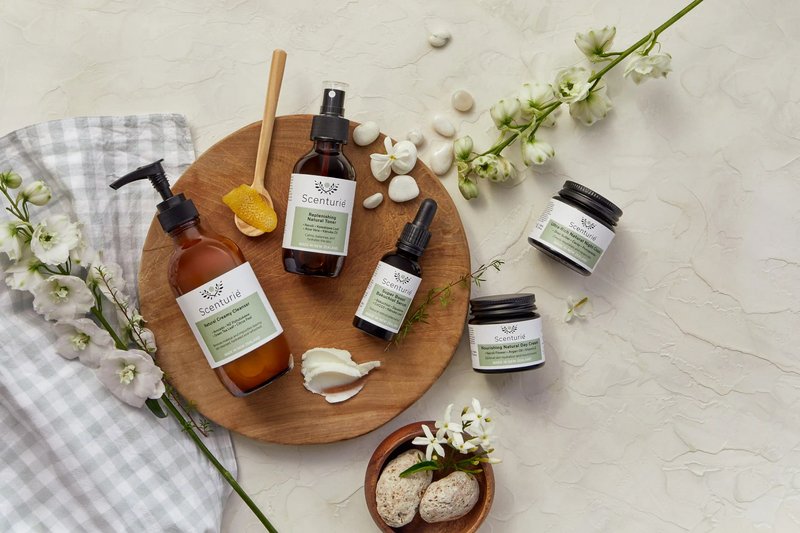
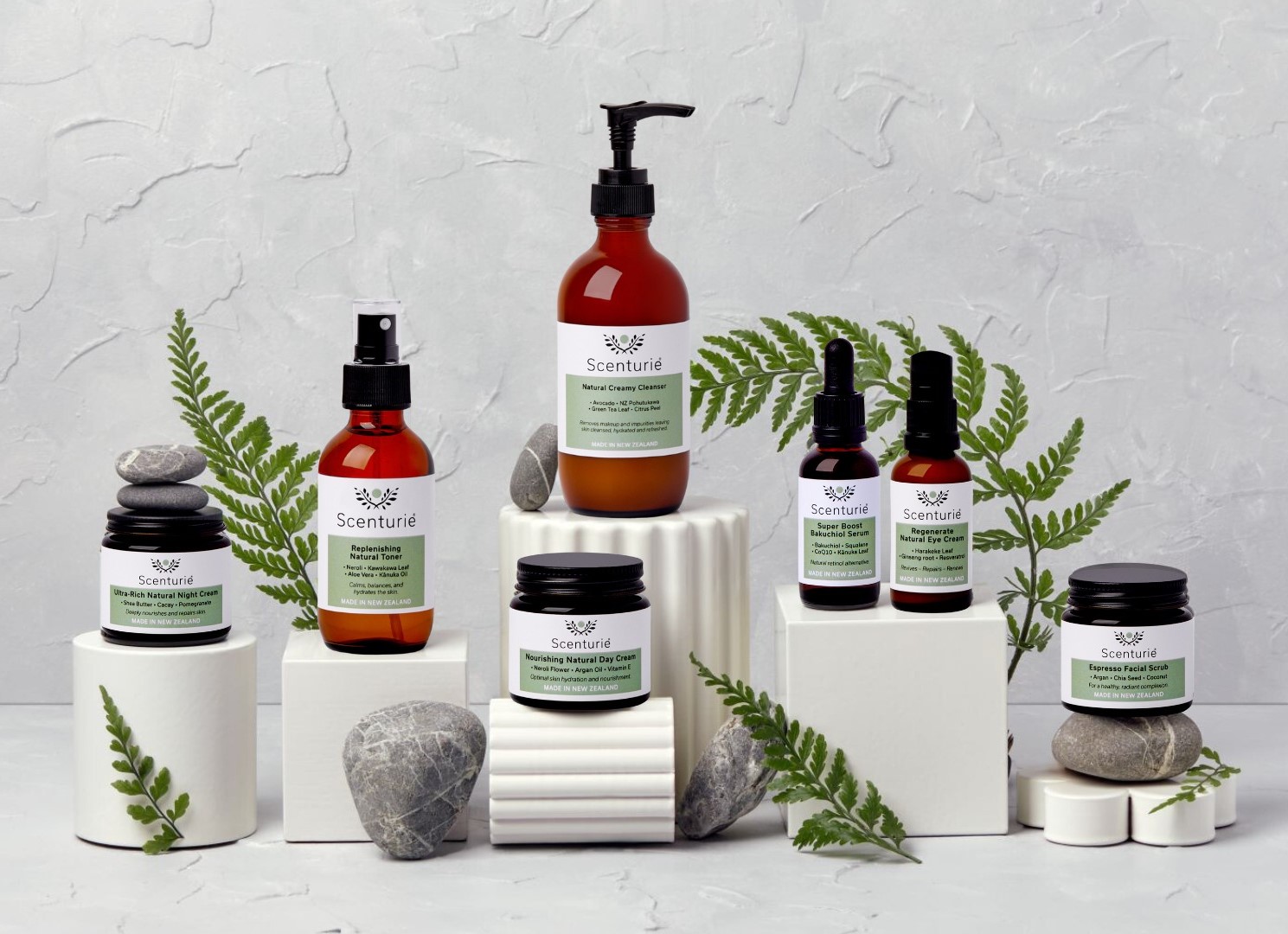
flatlay of Scenturie natural skincare products

1. Cleanse with a Gentle, Non-Foaming Cleanser

Ditch harsh foaming cleansers containing sodium lauryl sulphate (SLS). Instead, choose a creamy, plant-lipid wash that lifts makeup and daily debris without stripping essential fats.

  • The Routine Essential: Our Natural Creamy Cleanser is formulated to mirror your skin’s biological pH, cleansing gently while preserving the delicate acid mantle.


2. Reset After Tap Water with a Botanical Toner

Because tap water has a neutral-to-alkaline pH (7.0+), applying a botanical toner immediately resets your skin back to its ideal 4.7–5.2 range.

  • The Routine Essential: Apply Replenishing Natural Face Toner directly onto clean skin. Botanical floral waters help neutralise alkaline water minerals and prepare skin cells to absorb nutrients.


3. Seal with Bio-Compatible Lipids

While pure botanical oils do not have a pH (since they are waterless), their essential fatty acids replenish the sebum layer that forms half of your acid mantle. Pressing 3–4 drops of Revitalising Face Oil into damp skin locks in hydration and shields the barrier.


4. Protect Your Barrier Daily

Complete your morning ritual with Nourishing Natural Day Cream, formulated within the skin’s physiological pH range to defend against wind, pollution, and moisture loss.


Healthy Skin Begins at pH 4.7

Radiant skin is not about harsh scrubbing or aggressive treatments—it is about creating the optimal biological environment for your skin cells to thrive. By supporting your acid mantle with pH-conscious skincare, you build a resilient, calm, and naturally radiant complexion that lasts.

middle aged model with healthy skin smiling

The Importance of pH in Skincare: How to Protect Your Acid Mantle Read More »

Woman applying Scenturie moisturiser

The Science of Glow: A Personalised Guide to Your Best Skincare Routine

Updated: September 2026

Skincare is more than a daily self-care ritual; it is an active investment in your body’s largest living organ. As we age, our skin’s natural regenerative rhythms—including cellular turnover and structural collagen synthesis—naturally slow down.

A routine matched precisely to your skin’s biology acts as a targeted biological reset. It reinforces your natural lipid barrier, preserves cellular hydration, and buffers delicate tissue against the unique environmental demands of life in Aotearoa—from intense Southern Hemisphere UV rays to drying coastal winds and indoor heat pumps.

Years from now, your skin will reflect the biocompatible choices you make today. By aligning your daily regimen with your specific skin type, you move beyond chasing a temporary surface sheen to cultivating long-term skin health, resilience, and genuine longevity.


The 5 Foundations of Healthy Skin

Dermatological health relies on a simple, consistent framework. Regardless of your skin type, your morning and evening rituals should revolve around these five functional pillars:

  1. Cleanse: Lift away pollutants, excess sebum, and makeup without stripping the acid mantle or disrupting barrier lipids.

  2. Hydrate & Balance (Tone): Gently restore a healthy skin pH (around 5.5) and deliver an immediate layer of water-soluble humectants to prep cells for deeper absorption.

  3. Optimise (The Active Step): Feed your skin with targeted lipid serums containing bio-available botanicals (like Bakuchiol and CoQ10) to support cellular repair and collagen integrity.

  4. Moisturise & Seal: Lock in hydration and fortify the intercellular lipid matrix to prevent Trans-Epidermal Water Loss (TEWL).

  5. Protect: Every single morning, finish with broad-spectrum SPF to shield newly energised cells from UV photo-ageing.


Identify Your Skin Biology: The 60-Minute Reset Test

Skin types are not fixed for life; they shift with hormonal changes, seasonal climate transitions, and stress levels. To uncover your true biological baseline, perform this simple clinical “wait-and-watch” test at home:

  • Step 1: Wash your face thoroughly with a gentle, pH-balanced cleanser (such as our Natural Creamy Cleanser) and pat dry with a clean towel.

  • Step 2: Leave your skin completely bare—do not apply toners, serums, oils, or creams—for exactly 60 minutes.

  • Step 3: Examine your skin in natural light, then press a single clean tissue across your forehead, nose, and cheeks.

If your skin feels…And the tissue test shows…Your Baseline Skin Type is:
Tight, flaky, or roughNo oil residue; feels tight upon smilingDry
Slick, shiny, or congestedVisible oil residue from cheeks, nose, and foreheadOily
Oily on T-zone, normal/dry on cheeksOil residue concentrated on forehead and nose onlyCombination
Comfortable, supple, and calmMinimal, balanced oil trace across all areasNormal / Balanced
Stinging, red, warm, or itchyVaries; skin looks flushed or reactiveSensitive / Reactive
Blemish-prone with localised rednessUneven texture; visible congestion and inflammationAcne-Prone


Scenturie Women’s natural skincare collection in premium amber glass packaging, featuring 9 category winners from the 2026 International Beauty Shortlist Awards. Displayed with Beauty Shortlist and Eco-Winner logos highlighting the Super Boost Bakuchiol Serum, Nourishing Natural Day Cream, Ultra-Rich Night Cream, and Rejuvenating Natural Hand Cream for best plastic-free products.

Tailored Routines & Formulator Recommendations

1. Normal / Balanced Skin


2. Dry & Dehydrated Skin


Read the Complete 5-Step Dry Skin Ritual →


3. Maturing Skin (Pro-Ageing)


Read the Complete Pro-Ageing Ritual Guide →


4. Combination Skin


  • Primary Focus: Zonal balance—clarifying the forehead and nose while nourishing drier cheek areas.

  • The Core Ritual:

Read the Complete Combination Skin Ritual Guide →


5. Sensitive & Reactive Skin


  • Primary Focus: Calming the inflammatory response, soothing redness, and fortifying a fragile barrier.

  • The Core Ritual:

Read the Complete Sensitive Skin Ritual Guide →


6. Blemish-Prone & Congested Skin


Read the Complete Clear & Confident Ritual Guide →


The Formulator’s Rule: Consistency Over Intensity

Achieving healthy, radiant skin is never about using aggressive chemicals or chasing overnight fixes; it is about providing steady, daily biological nourishment.

Human skin renewal takes approximately 28 to 40 days (lengthening as we mature). When introducing your tailored routine, commit to the full cycle to allow your cells to regenerate, rebuild their protective lipid barrier, and reveal genuine, lasting vitality.

Explore the Complete Scenturie Botanical Collection →

The Science of Glow: A Personalised Guide to Your Best Skincare Routine Read More »

Woman with smooth radiant glowing skin surrounded by fresh spring flowers

Spring Skincare Reset: How to Refresh Your Routine for Glowing Skin

Updated: September 2026

As winter fades across New Zealand, the warmer days and extra sunshine are a welcome relief. But as the seasons change, your skin’s needs change too.

After months of indoor heaters, cold winds, and dry air, skin often feels a little sluggish, dry, and lacklustre. Then, as the weather warms up and humidity rises, our skin naturally produces more oil. Add rising pollen levels and a sharp jump in the Kiwi UV index, and it’s easy for pores to get clogged or skin to feel easily irritated.

Just like swapping a heavy winter coat for lighter layers, your skincare routine needs a fresh seasonal reset. Here is an easy, 4-step spring guide to clearing away winter dullness, balancing hydration, and getting your natural glow back.


The Seasonal Switch: Winter vs. Spring

Winter HabitThe Spring Refresh
Heavy, thick face creamsLightweight, breathable day moisture
Occasional sun careDaily antioxidant defence & sun protection
Heavy, oil-based cleansingWeekly pore-clearing mineral clay mask
Covered-up, dry body skinSilky botanical body cream after showering


The 4-Step Spring Routine Refresh

You don’t need a complicated 10-step routine to see results. These four simple, targeted swaps will leave your skin feeling fresh, soft, and balanced:

1. Clear Winter Congestion with a Mineral Clay Mask

As the weather warms up, your skin naturally produces more surface oil. When this mixes with lingering dry skin and airborne spring pollen, it can quickly lead to blackheads and blemishes. Instead of using harsh foaming face washes that leave your face feeling tight, hit the reset button with natural mineral clay.

  • Your Spring Ritual: Once a week, treat your skin to the Scenturie Purifying Clay Face Mask. Natural earth clays act like a gentle magnet to lift dirt, excess oil, and pollen out of pores, while native New Zealand botanicals calm redness and soothe irritation. It gives you a clean, refreshed canvas without stripping away moisture.


2. Brighten & Protect with “Liquid Gold” Bakuchiol Serum

The New Zealand sun gets strong quickly in spring, meaning our skin faces more daily exposure to UV and environmental stress. After months of winter dryness, your skin is craving deep nourishment to restore bounce and fade uneven tone.

  • Your Spring Ritual: Morning and evening, smooth 3 to 4 drops of our award-winning Super Boost Bakuchiol Serum over clean skin. Affectionately called “Liquid Gold,” this silky face oil blends pure plant oils with Bakuchiol—nature’s gentle alternative to retinol. It defends against sun damage, encourages fresh cell turnover, and softens fine lines, all without the redness, peeling, or sun-sensitivity that comes with traditional synthetic retinol.


3. Switch to a Breathable, Velvety Day Cream

Rich, heavy winter creams are great for blocking out cold winter air, but in spring, they can feel suffocating and trap sweat against your skin. What you need now is a light moisturiser that absorbs quickly, locks in hydration, and sits comfortably under makeup or sunscreen.

  • Your Spring Ritual: Follow your serum with our multi-award-winning Nourishing Natural Day Cream. Made with plant-derived squalane and native botanical extracts, it delivers deep, lasting hydration with a silky, weightless finish. It keeps your skin soft and plump all day without ever feeling greasy.


4. Awaken Dry Winter Limbs with Plant-Powered Body Care

Spring skincare shouldn’t stop at your chin! After months hidden under jeans, tights, and woolly socks, body skin is often dry, rough, and flaking. With bare-leg weather around the corner, your body deserves the same plant-powered hydration as your face.

  • Your Spring Ritual: Straight out of the shower while your skin is still slightly damp, smooth on Scenturie’s Ultimate Hydrating Hand & Body Cream. Packed with pure, cold-pressed plant oils, it melts in quickly to soften rough elbows, hydrate dry legs, and condition cuticles. It absorbs with zero sticky residue, leaving your body silky-soft and glowing for spring.


Don’t Forget a 5-Minute “Spring Clean” of Your Shelf

Spring is also the ideal time to check what’s sitting in your bathroom cabinet:

  • Look for the Expiry Icon: Check the little open-jar symbol on your bottles (like 6M or 12M). If a natural product has been open longer than that, its active botanical ingredients and antioxidants have likely lost their punch.

  • Do a Quick Scent & Texture Check: If an oil smells flat or like old crayons, or if a cream has split into liquid layers, it’s time to let it go.

  • Wash Your Face Cloths & Tools: Give your reusable face cloths, muslin pads, and massage rollers a thorough wash with warm, soapy water to clear out any winter bacteria.


Frequently Asked Questions

Why am I breaking out now that the weather is warmer?

When humidity rises, your skin produces more natural oil. If that oil gets trapped under dead winter skin cells, pores clog and blemishes pop up. Using a gentle clay mask once a week and switching to a lighter daily moisturiser helps keep pores clear and happy.

Can I wear Bakuchiol in the morning sun?

Yes! Unlike traditional retinol (which breaks down in sunlight and makes your skin extra prone to sunburn), Bakuchiol is completely sun-safe. When worn under your daily sunscreen, its rich antioxidant profile actually helps shield your skin from daytime environmental damage.

What should I do if spring pollen makes my skin red or itchy?

Pollen can easily irritate sensitive or reactive skin. Stick to calming, fragrance-free routines, avoid harsh scrubs, and look for soothing native extracts like Kawakawa and Pōhutukawa to comfort flare-ups.


Reveal Your Natural Spring Radiance

Resetting your skincare for spring doesn’t mean starting from scratch. By switching to lighter layers, adding a brightening antioxidant boost, and hydrating from head to toe, you’ll give your skin everything it needs to look fresh, radiant, and healthy for the sunny months ahead.

👉 Ready to refresh your routine? Shop Scenturie’s Natural Spring Essentials

Spring Skincare Reset: How to Refresh Your Routine for Glowing Skin Read More »

Bakuchiol Serum

Retinol Results Without the Redness: Why Science is Pivoting to Bakuchiol

Updated: September 2026

You know the routine. You are told that if you want to fade sun damage, smooth fine lines, and encourage cellular renewal, synthetic Vitamin A (Retinol) is non-negotiable. So you introduce a retinol serum into your evening routine.

Three days later, your moisture barrier is in distress: your skin feels parched, red, and sensitive to touch. Skincare marketing often calls this “the purge” or “retinol burn”—treating discomfort as an unavoidable tax for smoother skin.

At Scenturie, we disagree with the idea that skin must be irritated to see results. Formulation science should work alongside cutaneous biology, not against it.

Enter Bakuchiol: a botanical bioactive that matches the cellular performance of retinol while preserving your skin barrier.

bakuchiol flower
Babchi plant (Psoralea corylifolia)

The Clinical Science: Is Bakuchiol a Trend or a Validated Alternative?

It is natural to wonder whether a botanical extract can truly match a pharmaceutical-grade standard like retinol. However, peer-reviewed clinical trials have documented its efficacy:

  • The Landmark Comparative Study (British Journal of Dermatology, 2019): In a 12-week, randomized, double-blind trial, researchers compared 0.5% Bakuchiol twice daily against 0.5% Retinol once nightly. The findings: both groups experienced statistically equivalent reductions in wrinkle depth and hyperpigmentation. Crucially, the retinol group experienced significant scaling, burning, and dryness, whereas Bakuchiol was tolerated without adverse skin-barrier disruption.

  • Sensitive & Reactive Skin Trials (Journal of Drugs in Dermatology, 2021): Subjects with eczema, rosacea, and reactive skin barriers were evaluated using topical Bakuchiol over four weeks. Patients recorded substantial improvements in smoothness, firmness, and radiance without triggering cutaneous flare-ups.

  • Antioxidant & Collagen Upregulation (International Journal of Cosmetic Science): Bakuchiol was shown to upregulate Type I and Type IV collagen synthesis and stimulate cell turnover in a manner functionally similar to retinol, while offering notable lipid-protective antioxidant properties.


Bakuchiol vs. Retinol: Direct Comparison

Key FactorBakuchiol (The Scenturie Way)Traditional Synthetic Retinol
Irritation RiskVirtually zero. Non-sensitising and barrier-supportive.High. Frequently triggers peeling, dryness, and erythema.
UV & PhotostabilityPhotostable. Safe to use morning and night.Photodegradable. Decomposes in UV and heightens sun sensitivity.
Pregnancy & BreastfeedingRetinol-free; widely recommended by dermatologists as a gentle, non-vitamin A choice.*Strictly contraindicated due to potential teratogenic risks.
Barrier IntegrityProtects dermal lipids and reduces moisture loss.Often compromises the acid mantle during early weeks.
Formulation PotencyFormulated at 1% Pure Bakuchiol in lipid-rich oils.Often diluted or buffered with synthetic fillers.

*Note: While Bakuchiol is derived from natural botanicals and does not disrupt systemic Vitamin A levels, always consult your GP, obstetrician, or midwife regarding new topical treatments while pregnant.

Meet the “Liquid Gold”: Scenturie’s Super Boost Bakuchiol Serum

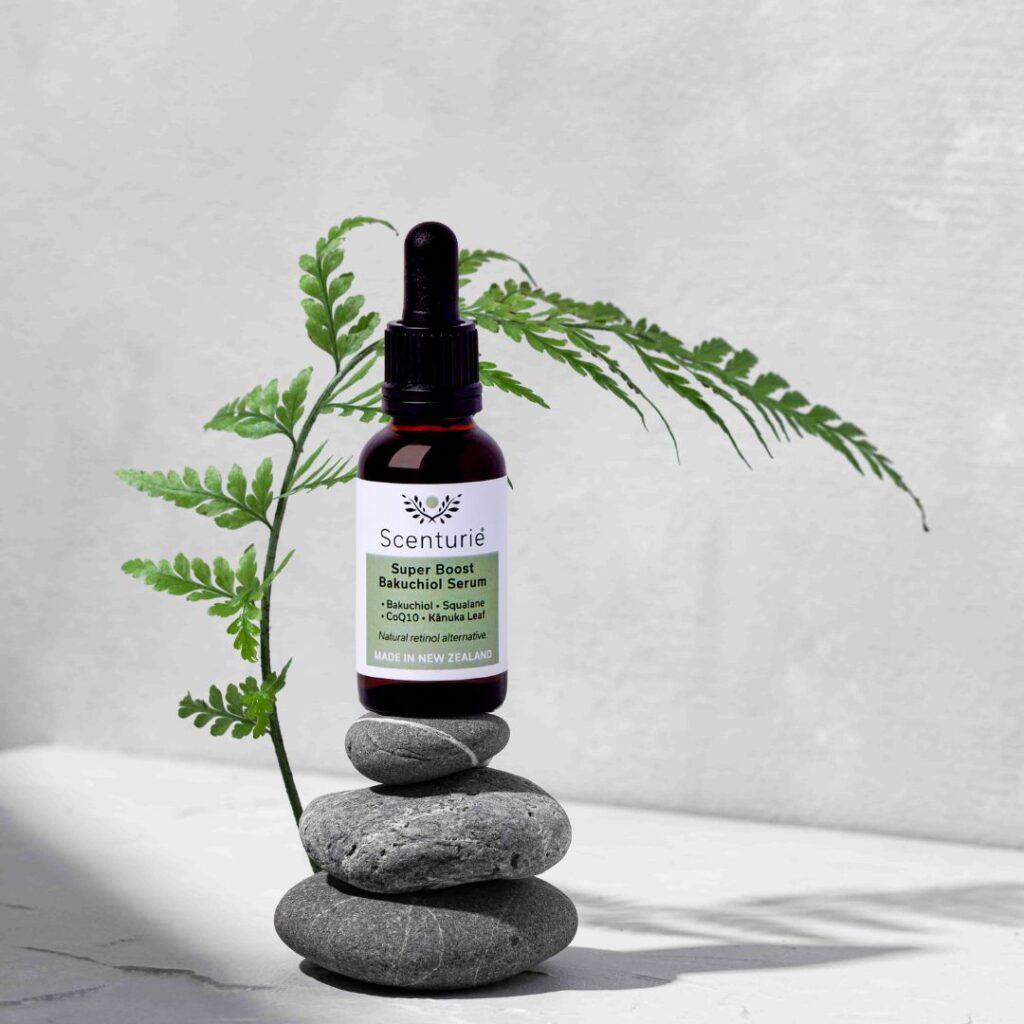
Scenturie Natural Skincare Super Boost Bakuchiol Serum with winner logos for Best Bakuchiol Serum
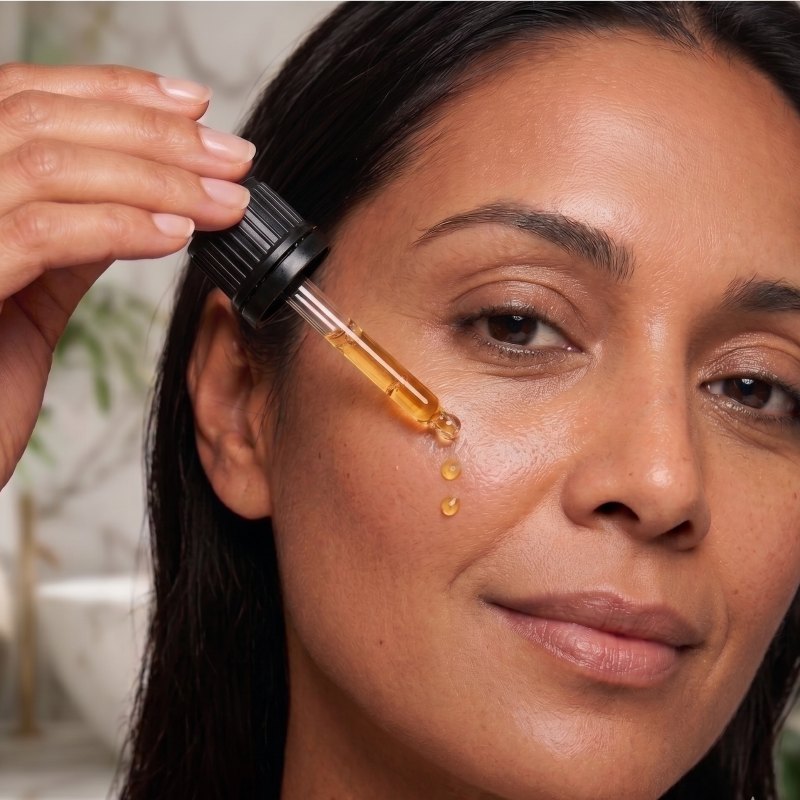
Woman applying Scenturie Super Boost Bakuchiol Serum to her face.

★ Winner: Best Bakuchiol Serum — International Beauty Shortlist Awards 2026

★ Silver Award: Best Bakuchiol Serum — Clean + Conscious Awards 2026

★ 1% Pure Bakuchiol: Clinical-grade concentration (double the standard trial dose)

★ Zero Synthetic Fillers: Suspended in a base of 9 nutrient-dense botanical oils

Why Concentration Matters: The 1% Advantage

Many commercially available serums utilise diluted babchi seed extracts or low concentrations (0.25% to 0.5%) alongside synthetic fillers and water-based thickeners.

Scenturie’s Super Boost Bakuchiol Serum is formulated with 1% pure, pharmaceutical-grade Bakuchiol—double the concentration evaluated in the 2019 British Journal of Dermatology trial.

Because Bakuchiol is lipid-soluble, suspending it in a pure botanical lipid base provides superior bio-affinity compared to synthetic water-gel matrices. We blend pure Bakuchiol into nine cold-pressed, unrefined seed and nut oils, including:

  • Cold-Pressed NZ Hemp Seed Oil: Locally sourced hero oil containing an optimal 3:1 ratio of Omega-6 to Omega-3 essential fatty acids, delivering anti-inflammatory relief to stressed skin.

  • Organic Cacay Seed Oil: Harvested from the Amazon, Cacay is rich in naturally occurring Vitamin E and linoleic acid, providing deep cell-membrane conditioning.

  • Virgin Argan & Jojoba Oils: Mimic human sebum chemistry to transport Bakuchiol past the stratum corneum without clogging pores.

How to Layer Your “Liquid Gold” Ritual

Because pure Bakuchiol does not degrade under UV exposure or induce photosensitivity, you can safely apply it both morning and night.

  1. Cleanse & Tone: Start with a fresh, clean canvas.

  2. The Serum: Apply 4-6 drops of the Super Boost Bakuchiol Serum to your face, neck, and décolletage. Press it in—don’t rub—to help the nutrient oils penetrate.

  3. Seal It In: Follow with our Nourishing Natural Day Cream (and your favorite SPF) or our Ultra-Rich Night Cream for a deep overnight repair.


Frequently Asked Questions

Can I use Bakuchiol in the morning before going outdoors?

Yes. Unlike retinol, which breaks down rapidly when exposed to UV light and increases skin photosensitivity, Bakuchiol is chemically photostable. It also exhibits antioxidant properties that help neutralise environmental free-radical damage throughout the day. Follow with a broad-spectrum SPF 30+ or 50+ as part of daily sun defense.

Does Bakuchiol trigger an initial “purging” breakout period?

No. Synthetic retinol accelerates cellular turnover aggressively, often loosening deeply trapped microcomedones all at once (the “purge”). Bakuchiol encourages regular, physiologically balanced turnover while simultaneously calming inflammation and regulating lipid peroxidation, making breakouts far less likely.

Can Bakuchiol be layered with Vitamin C, Niacinamide, or AHAs?

Yes. Retinol often conflicts with other active acids and Vitamin C due to combined barrier irritation. Bakuchiol’s non-acidic, pH-independent lipid profile makes it safe to pair alongside L-ascorbic acid (Vitamin C), Niacinamide, and gentle exfoliating acids without provoking redness.

How quickly can I expect visible results?

Clinical measurements show measurable improvements in skin elasticity, moisture retention, and radiance within 4 weeks. Reductions in fine line depth and hyperpigmentation generally reach clinical significance at the 8-to-12-week mark with consistent twice-daily application.


The Verdict: Your Skin Deserves the Upgrade

You don’t need to choose between “natural” and “effective” anymore. You can have the collagen-boosting, wrinkle-smoothing results of a clinical treatment with the soul and safety of a botanical ritual.

Are you ready to swap the “Retinol Burn” for the “Scenturie Glow”?

Learn more about how best to care for ageing skin HERE.

Retinol Results Without the Redness: Why Science is Pivoting to Bakuchiol Read More »

Scroll to Top