


Parabens and Sulfates: Ingredients to Avoid in Skincare Products and What to Shop for Instead


Parabens and sulfates are two common cosmetic components that top the list of toxic ingredients to avoid for various reasons. If you’ve been hearing a lot of talk about clean beauty lately and wondered what you can do to get on board, one of the best places to start is learning about harmful ingredients to watch out for in your cosmetics.
To help you get started, here’s a little breakdown on two harmful ingredients that are still quite common in beauty products today.
Parabens
Parabens are synthetic chemicals used as preservatives in many beauty and household products worldwide. They appear on ingredient lists with names such as: isobutylparaben, butylparaben, isopropylparaben, methylparaben, ethylparaben, and propylparabens. Added to many formulas to prevent the growth of mold and bacteria, parabens are what help prolong the shelf-life of cosmetics. Parabens have been around since the 1920’s, but unfortunately, in more recent years, science has linked parabens to a host of serious health issues.
Alarmingly, research has shown that parabens can penetrate our skin barrier, enter our blood stream, and cause disruption of our endocrine system by mimicking hormones like oestrogen. This disruption of our body’s natural hormone signals can cause chemical imbalances within our body that can affect fertility leading to reproductive and developmental issues. Studies have also suggested that parabens could play a role in the development of human breast, ovary, and testicular cancer. For these reasons, many countries have banned the use of some parabens in personal care products. Parabens can also cause skin irritation, and there is research to suggest that there is a correlation between parabens in SPF products and damaged coral reefs.
While limited quantities of parabens are considered harmless and are not regulated by the FDA, the problem lies in repeated exposure with daily use of certain formulas. In fact, one 2018 study found teenage girls who regularly wore makeup tested positive for 20x the normal amount of propylparaben compared to those who did not or rarely wore makeup.
You may ask: “Why do companies continue to use parabens if they are so bad for us and the environment?”. One major reason is because they are cheap to manufacture, which ultimately means bigger profits!
Given the damage that can be caused to the endocrine system, reproductive system, and the environment, long-chain parabens (methyl-, isobutyl-, butyl-, isopropyl- and propylparaben) should not be used in personal care or cosmetic products.
Read more about: The Dangers of Parabens in Skincare.
Always check ingredient lists and know what you are putting onto and into your body!
Sulfates
Sulfates (also known as sulphates) are used as cleansing and foaming agents appearing in everyday health, beauty, and skincare products like body washes, detergents, shampoos, toothpaste, and many other household and personal care products. They are synthetic chemicals derived from fatty alcohols, made from palm kernel oil or petroleum oil sources.
Sulfates belong to a class of cleansers called anionic surfactants, with the most common sulfate compounds known as sodium lauryl sulfate (SLS) and sodium laureth sulfate (SLES). Sulfates are hugely problematic both for the skin and the planet.
In beauty products, sulfates are used to help with foaming, lathering and cleansing, however, they are commonly reported as skin irritants, stripping away the skins natural oils and leaving it feeling dry, irritated and inflamed. Studies have shown that sulfates can penetrate the skins barrier, cause damage to cellular membranes, and cause reactions in sensitive skin types leading to itchiness, watery eyes, and even dermatitis. Research has also shown that using shampoos with sulfates can cause scalp irritation, excessive drying of hair and skin, and even hair loss. Perhaps what is even more concerning is the negative impact sulfates have on our environment. Sulfates are mainly petroleum-derived, but they can also be manufactured from coconut or palm oil. Petroleum products and palm oil are controversial due to their association with natural habitat destruction, climate change, pollution, and greenhouse gases.
The interesting thing is that sulfates are not actually necessary! The lather, froth and foam we have become conditioned to expect when using sulfate-containing products is NOT NEEDED, and it is NOT what does the cleaning. You do not need a lather, froth, or foam to effectively clean your skin or hair.
What to shop for instead
If all of the above sounds like bad news, the good news is that parabens and sulfates are completely unnecessary for formulating products. As more and more consumers demand cleaner cosmetics, your options for shopping paraben- and sulfate-free are expanding. By simply checking ingredients and making empowered choices, you will be able to easily make the switch to clean beauty in no time. We recommend always looking for simple formulas with plant-based ingredients that you recognize (and can pronounce.)
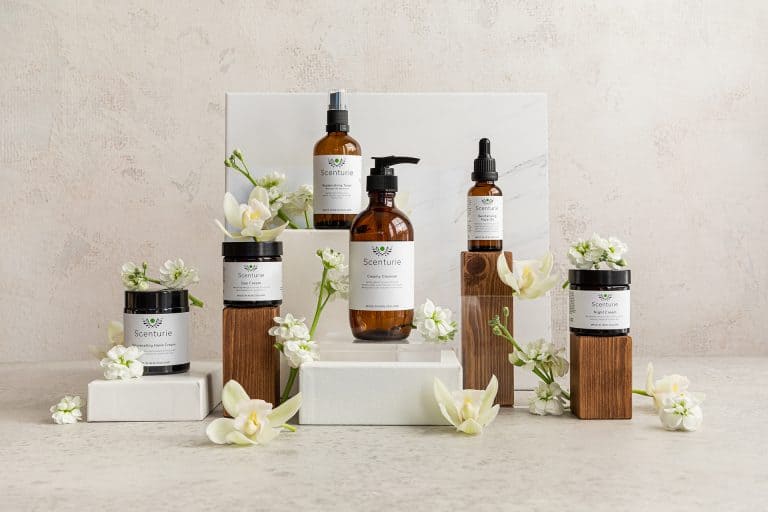
At Scenturie, we are committed to creating skincare products that are better for your skin, your body and the planet as well. We use only pure, plant-based, sustainable ingredients, and promise never to use toxic additives including parabens, sulfates, glycols, silicones, mineral oils, phenoxyethanol, and phthalates. We also avoid synthetic fragrances and use only botanical essential oils to bring you clean, holistic, beauty and skincare, just the way nature intended.
Visit our website to learn more: www.scenturie.co.nz
Natural Skincare
References
Parabens in Cosmetics By The Food & Drug Administration
https://www.fda.gov/cosmetics/cosmetic-ingredients/parabens-cosmetics
What Are Parabens? By Tasha Stoiber, PhD, for The Environmental Working Group https://www.ewg.org/what-are-parabens
Should People Be Concerned About Parabens? By Scientific American
https://www.scientificamerican.com/article/should-people-be-concerned-about-parabens-in-beauty-products/
Should You Be Going Sulfate Free? By Daniela Ginta, Medically reviewed by Debra Rose Wilson, Ph.D.
https://www.healthline.com/health/beauty-skin-care/sulfates
Why Are Sulfates Bad for You? By Shaziya Allarakha, MD, Medically reviewed by Pallavi Suyog Uttekar, MD
https://www.medicinenet.com/why_are_sulfates_bad_for_you/article.htm
In the world of beauty and skincare, there is always some new ingredient that generates a lot of buzz. Although it has been on the market for some time, the buzz about this ingredient does not seem to be dying down anytime soon. Hyaluronic acid is commonly featured in many skincare products such as serums, moisturisers, toners, supplements (and even injectables), and can prove to be a worthwhile addition to your daily skin-care regimen. The staying power of this naturally occurring molecule is due to its ability to combine with water to plump your skin and impart a soft, youthful texture. Glowing skin can be yours. Let us take a closer look at this in-demand ingredient…
Hyaluronic acid is a molecule that naturally occurs in the skin and connective tissues of the human body. 50% of the total hyaluronic acid present in the body is found in the skin. This power-packed polysaccharide provides cushioning and lubrication of our skin, joints, hair, nerves, and eyes. Its ability to attract, bind to, and retain water makes it very useful in the war on dry skin, and it is a valuable addition to skincare regimes.
As a powerful humectant, hyaluronic acid can draw and retain moisture, preventing it from evaporating into the air. It can hold up to 1000 times its weight in water giving it super hydrating qualities that provide a deep moisturising effect to skin.
Skin aging is a multifactorial process comprising two distinct and independent mechanisms: intrinsic and extrinsic aging. Youthful skin retains its smooth texture, elasticity, and resilience due to its high-water content. Daily stressors, in conjunction with the normal aging process, causes loss of moisture to the skin. The key molecule involved in skin moisture is hyaluronic acid, with its unique ability to retain water.
Like collagen and elastin, naturally occurring hyaluronic acid decreases as we age. Studies have shown a marked disappearance of hyaluronic acid in the epidermis (outermost layer of skin) while still present in the dermis (layer beneath the epidermis). The epidermis loses the principal molecule responsible for binding and retaining water molecules, resulting in loss of skin moisture. This contributes to the apparent dehydration, atrophy and loss of elasticity that characterises aging skin.

The ability to retain moisture and provide lasting hydration is a major reason why hyaluronic acid continues to be popular in the beauty and skincare industry. The benefits of this moisture retaining property in skincare products is discussed below:
Hyaluronic acid penetrates the skin and binds water to skin cells, infusing all layers of the skin with valuable moisture. Most importantly it helps skin cells retain that precious moisture, leaving skin looking and feeling hydrated all day long.
A humectant is a water-loving substance that attracts, retains, and preserves moisture. The humectant properties of hyaluronic acids allow it to infuse the epidermis with moisture and then continue drawing moisture from the surrounding environment providing long lasting hydration to skin.
It is common knowledge that the loss of moisture in the skin is capable of aging skin prematurely. The ability of hyaluronic acid to attract and retain moisture in the skin means that if we apply it as part of our beauty regime it helps to promote a hydrated, youthful, healthy complexion.
Unlike some of its counterparts in the beauty industry, hyaluronic acid is quickly and easily absorbed by the skin making it a highly efficient ingredient.
Hyaluronic acid is naturally present in our bodies and is generally safe for all skin types.
Hyaluronic acid can be paired with many other ingredients in skincare including retinol, bakuchiol, vitamins, peels, and other acids. The only exception to this is acids with low pH levels, such as glycolic acid, which can degrade hyaluronic acid and reduce its effectiveness.
Outside of beauty and skincare, hyaluronic acid can speed up wound healing by regulating inflammation within the body, can treat dry eyes, and hyaluronic supplements can treat joint problems.

Scenturie’s Ultra-Rich Natural Night Cream and Replenishing Natural Toner are award-winning skincare products with hyaluronic acid. Packed full of essential vitamins, minerals, and fatty acids Ultra-Rich Natural Night Cream is easily absorbed and works to soothe, repair, and regenerate the skin overnight. Replenishing Natural Toner hydrates, balances, and calms the skin, leaving it feeling refreshed and re-energised.
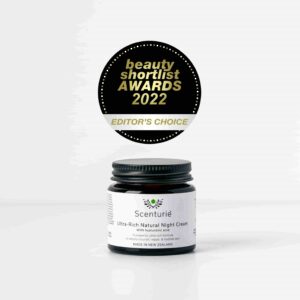
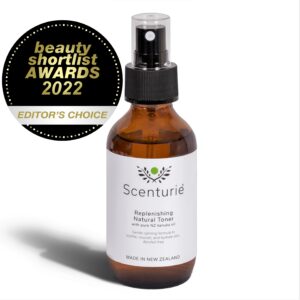
A study published in the Journal of Clinical and Aesthetic Dermatology in 2014 looked at the efficacy of low molecular weight topical hyaluronic acid preparations in the treatment of wrinkles, skin hydration, and skin elasticity in humans. Thirty-three (33) women were monitored for eight (8) weeks to test the anti-wrinkle properties. The results concluded that there was a statistically significant moisturising effect from products (whether lotions, serums, or creams) at each treatment interval. The depth of wrinkles was reduced by 40%, skin hydration increased by 96% and elasticity increased by up to 55% at the end of the eight (8) week period.
When considering your diet, there are a variety of nutrients that play a role in supporting the production of hyaluronic acid and in preventing its deterioration. Magnesium supports the body’s production of hyaluronic acid, the flavonoid naringenin inhibits its breakdown, and phytoestrogens work to increase its presence in the skin. Read more about the best hyaluronic foods for your skin here. A nutritious diet rich in antioxidants, including fresh fruit, vegetables, nuts, and seeds, will ensure you get enough nutrients to support the body’s production and maintenance of hyaluronic acid, and ultimately healthy skin.

Generally, hyaluronic acid is safe for use on all skin types. Hyaluronic acid is non-irritating and has not been found as a trigger for acne, rosacea, or any skin allergies. People who suffer from dry skin, or those of us with more mature skin, will gain the most benefit from products with hyaluronic acid because natural production of it by our bodies declines as we get older.
Prevention is the best and most effective way to help work against extrinsic skin aging effects. The best prevention strategy to work against the harmful action of free radicals is a lifestyle with a balanced nutritional diet, good quality sleep, great self-care, regular physical exercise, and good stress management. Alongside this, a morning and night skincare routine using the best quality skincare products you can afford, will give your skin all it needs to glow.
Our skin is the largest organ in our bodies. It deserves great care and attention as we will wear it every day for the rest of our lives. The ability of hyaluronic acid to restore moisture to the skin, improve skins texture and elasticity, decrease the appearance of wrinkles, strengthen the protective barrier, and protect against environmental assault, makes it a very valuable addition to any skincare regime. With so many benefits, what could be preventing you from giving it a try? We encourage you to let this power-packed polysaccharide become part of your skin routine, and let your skin radiate with happiness and good health!

Hyaluronic acid: The best kept secret for your skin! Read More »
The beauty and skincare industry has seen its fair share of trends over the years. While you may have been happy to see some of those trends go, others have been beneficial. ‘Clean beauty’ is one such trend. ‘Clean beauty’ refers to the fact that many consumers (as much as 50% of women according to a 2017 survey) preferentially seek out facial and skincare products that have all-natural or organic ingredients. These products tend to be free of chemicals such as parabens and sulfates which have long been staples within the beauty and skincare industry. You may recognize them as the products with a plant on the label or packaging in muted, earthy tones, with words such as “natural”, “non-toxic”, and “cruelty-free” on its labels.
This shift away from traditional beauty and skincare ingredients has had its benefits. Based on a study conducted by the Environmental Working group, on average, it is estimated that women can put on one hundred and sixty-eight (168) chemicals on their body via their daily skincare regimen. That is a lot of chemicals! What is even more alarming is that not all these chemicals are regulated by the Food and Drug Administration (FDA), so unfortunately you may not be aware of exactly what you are exposing yourself to. Is it safe or not? Is the benefit worth the potential risk for other problems? These are questions that we should all ask ourselves. We have listed below the reasons why natural skincare is best.
We know that the skin is the body’s first line of defence, and so it stands to reason that we would do all we can to preserve it and maintain it in optimal health. Why then would we expose it to harmful chemicals and toxins that can break down this protective barrier? What is even more concerning is that it has been shown that many of these chemicals and toxins can potentially be absorbed into the bloodstream where they can affect the nervous system, immune system, and reproductive system.
It is also noteworthy to mention that many of these products also have synthetic fragrances that (although they smell pleasant) are used to cover up chemicals. Most of these fragrances are also unregulated by the FDA and they may contain toxic chemicals. Many studies have reported that synthetic fragrances have the potential to cause “possible mutagenic and genotoxic effects.” Synthetic fragrances have also been found to contain hormone disruptors which have been linked abnormal cell reproduction.
By making the switch to using natural skincare products, you can put your mind at ease. These products tend to be void of many of the added chemicals that are unsafe. Natural products tend to be less irritating and once you choose the right products for your skin, you should be well on your way to natural, glowing skin. By removing those unnecessary chemicals, and using gentler products on your skin, you can avoid those pesky breakouts.

Natural skincare is not only better for your body, but it is also better for the environment. When you use commercial beauty products and the chemicals are washed down the drain, they can be harmful to the local waterways. Ingredients within these products may also require mining which negatively affects that environment in so many ways.
Along with health concerns over the long list of hard-to-pronounce chemicals that are often found in conventional beauty and skincare products, there is also the fact that these often create a large carbon footprint. Ingredients commonly found in conventional beauty products such as petroleum and silicone are not only bad for our health but very harmful for the environment. The way in which traditional ingredients are extracted or manufactured often significantly impacts the environment, even if they occur naturally. For example, palm oil is a naturally occurring substance but for it to be harvested land must be stripped, leaving destruction in its wake. Most of the world’s palm oil is produced unsustainably with ancient native forests being replaced with palm plantations at frightening rates. This is leading to unprecedented levels of deforestation, fires, and habitat loss, which is threatening the survival of species such as the orangutan, Sumatran tiger, and the Sumatran rhino. The Roundtable for Sustainable Palm Oil (RSPO) has been working towards controlling the damaging aspects of palm oil production, but there still is much work to be done to close loopholes and ensure palm oil is in fact truly sustainable.
The packaging of products is also very problematic as plastics from packaging contribute to overflowing landfills and pollution of our oceans. Many natural brands try to find sustainable alternatives to packaging such as reusable glass containers or recycled materials.
Many often find that by switching to natural skincare they find better products. Natural skincare companies invest time and money into ensuring that their products are safe for all skin types and do not have any deleterious side effects on you or your body. Unlike conventional products, there are no parabens, sulfates, phthalates, glycols, silicones, or phenoxyethanol.
But what is so bad about these chemicals? Let’s talk now about the common chemicals found in skincare products and why you should avoid them.
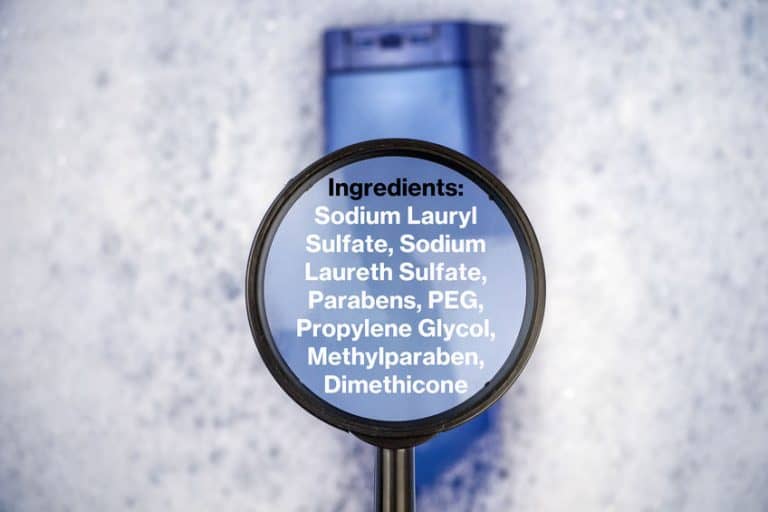
Parabens
Parabens are a group of chemicals widely used as artificial preservatives in cosmetic and body care products since the 1920s. Scientific studies suggest that parabens can penetrate the skin barrier, enter our bodies, and cause disruption of our endocrine system. This can interfere with our hormonal production by mimicking estrogen, potentially leading to reproductive and developmental issues. It has also been suggested in studies that parabens could play a role in the development of human breast, ovary, and testicular cancer. For these reasons, many countries have banned the use of some parabens in personal care products. Parabens can also cause skin irritation and there is research to suggest that there is a correlation between parabens in SPF products and damaged coral reefs.
Given the damage that can be caused to the endocrine system, reproductive system, and the environment, long-chain parabens (methyl-, isobutyl-, butyl-, isopropyl- and propylparaben) should not be used in personal care or cosmetic products.
Phthalates
Phthalates are chemicals that are used in a variety of household items, including personal-care products. One called diethylphthalate (DEP) is commonly used in fragrance ingredients. Like parabens, scientific studies have also shown that phthalates can be harmful to our bodies. A 2020 scientific review on the long-term consequences of phthalate exposure concluded that, based on several in vitro and in vivo studies, phthalates can act as endocrine disruptors and cause moderate reproductive and developmental toxicities. Furthermore, phthalates can pass through the placental barrier and affect the developing foetus. The potential adverse health effects in humans make it a ‘no-brainer’ to avoid these chemicals wherever possible. Phthalates usually appear on a label as DHEP or DiBP.
Sulphates
Sulfates are skin irritants that can strip skin of its natural oils causing dryness and irritation. Since it can penetrate the skin’s barrier, the continued use of sulfates such as sodium lauryl sulfate (SLS), and sodium laureth sulfate (SLES), can cause a reaction that makes the skin more susceptible to the absorption of other irritants. Sulfates are mainly derived from petroleum but can be derived from plants, such as coconut or palm oil. Petroleum products are controversial due to their association with climate change, pollution, and greenhouse gases. Palm oil is controversial due to habitat destruction, amongst many other things.
A natural skincare alternative to sulfates includes gentle foaming agents like sugar or coconut. The best way to safeguard against the use of sulphates is to carefully read the ingredient list on product labels.
Glycols
Propylene glycol is derived from petroleum. It is a humectant, which means that it increases moisture retention in skin and hair. Typically, it is well tolerated by the skin and does not cause any redness or irritation, however, the problem with propylene glycol lies within the fact that it is a penetration-enhancing humectant. This means that it could possibly allow harmful toxins to be absorbed by the skin, where under normal circumstances this would not happen. This can include skin toxins such as pollutants and harsh chemicals that can cause irritation or allergic reaction.
Silicones
Silicones are commonly found in skin and beauty products where they confer a silky, luxurious texture. They can make skin appear and feel visibly smoother even though the effect is oftentimes temporary. Silicones are also water-resistant and so they can create a seal over skin that provides “hydration” benefits. However, silicones are not always beneficial to the skin. Since silicone is known to ‘seal things in’, this means that it can also trap dirt, sweat, bacteria, and dead cells. When these are trapped for long periods of time, it can cause breakouts on the skin, especially for people who are prone to acne. Its semi-occlusive properties can also prevent additional moisture from being absorbed by your skin, leaving it looking dull and dry. The truth is that silicones offer virtually no benefit to your skin and any benefit they do offer is very short-lived and they often leave behind a heavy coating. From an environmental perspective, most silicones are not biodegradable. They wash down into our drains and into the environment, where they accumulate and can cause toxicity to wildlife.
As consumers trying to use high-quality ingredients that are better for our skin and the environment, the solution is to go natural with things like aloe vera, shea butter, and jojoba oil.
Phenoxyethanol
Phenoxyethanol is a preservative that is commonly used in many cosmetics and personal care products. It is an ether alcohol that is colorless and has a rose-like aroma and it is present in so many daily use products that you are likely to have a cupboard full of it at home. Phenoxyethanol is a popular ingredient as it inhibits microbial growth, stabilizes products, and enhances shelf-life. It can be listed on a label under several names, including 2-phenoxyethanol, phenoxytol, ethylene glycol monophenyl ether, and 1-hydroxy-2-phenoxyethane. According to the European Scientific Committee on Consumer Safety, phenoxyethanol is safe for all consumers when used as a preservative in cosmetic products at a maximum concentration of 1%. Adverse systemic effects have been observed in toxicological studies on animals and plants but supposedly only when the levels of exposure were much higher than those to which consumers are exposed when using phenoxyethanol-containing cosmetic products. Interestingly, phenoxyethanol is classified as an irritant to the skin, eyes, and lungs, and as a result Japan and the EU have restricted its use. The question we all need to ask ourselves is “What happens when many other phenoxyethanol containing products are applied to our skin daily?”. Products such as: liquid hand soap, body wash, cleanser, toner, serum, moisturizer, sunscreen, foundation, make-up, deodorant, shampoo, conditioner, hair products, aftershave, dishwashing liquid, clothes washing liquid, bench spray, the list goes on. Phenoxyethanol is rapidly absorbed into the body once it makes skin contact. Although the single product you are using may only have 1% concentration of phenoxyethanol, what happens when you use many other products containing phenoxyethanol during the day, as we all do? That is a lot of phenoxyethanol being absorbed into your body, and/or being washed down the drain into the waterways.
Preservation of skincare and personal care products is crucial to prevent the growth of bacteria, fungus, and microbes, however there are effective, approved, natural alternatives to phenoxyethanol which many natural skincare companies are now using.
There are other chemicals commonly found in beauty and skincare products that have also been found to be harmful. For example, aluminum is a toxic metal commonly found in products that can mimic estrogen and disrupt the healthy functioning of the endocrine system. Many products also contain synthetic fragrances, that are derived from petrochemicals, and contain thousands of different ingredients that are not listed on the label. Consequently, there is no way of knowing what you are being exposed to.
Most people are exposed worldwide to a variety of potentially harmful substances every single day. Although the amounts may be small, and the effects sometimes poorly understood, continuous exposure to a mix of these chemicals over long periods could have consequences for the health and well-being of people and society.
With the new wave of natural beauty companies pledging to abstain from using these chemicals, avoiding harmful chemicals, such as parabens, phthalates, and sulfates, has become easier.

As a consumer the single most important thing you can do for yourself is read and understand cosmetic labels! Become familiar with the chemicals in skincare products and decide what is important to you. Are you happy to be putting that paraben-containing product on your skin knowing that it could cause you adverse health problems down the track? Are you happy to buy that product that uses palm oil knowing that widespread devastation has occurred to make it? Are you happy to buy products packaged in plastic knowing the disastrous consequences of plastic pollution to our planet? Empower yourself and become an informed, conscious consumer. Buy natural products that list their ingredients on their labels and website. Choose products that are free from the chemicals listed above. Support companies that do not package their products in plastic. Buy products from companies that care about the things you care about and don’t just ‘talk the talk’.
In conclusion, ‘clean beauty’ brands have been investing in our health and the wellbeing of our planet. It is important to support brands that not only use natural ingredients but that also align with your beliefs whether it is natural, vegan, organic, or cruelty-free. Guilt-free skincare is in! Skip the cocktail of chemicals – and embrace natural skincare! Your skin, your health, and the environment will certainly be glad you did!

Why Natural Skincare is Best Read More »
Sign up to our newsletter and receive 10% off your first Scenturie Natural Skincare order.
ABOUT SCENTURIE
STAY IN TOUCH
AREAS WE SERVICE