FREE NZ SHIPPING ON ORDERS OVER $99

New Zealand Natural Skincare

Sustainability

A model with radiant, healthy, glowing skin, demonstrating the results of Scenturie's 3-step holiday glow guide.

A Formulator’s 3-Step Guide to a Radiant Holiday Glow (The Scenturie Way)

With summer events and Christmas parties just around the corner, we all want to look and feel our radiant best. After a long winter, our skin can often feel a little dull or lackluster, and it’s the perfect time for a revitalising boost.

As a formulator with a background in health science, I know the secret to a real, lasting glow isn’t one single “magic” product. It’s about a simple, consistent ritual that smooths your skin’s texture, deeply hydrates, and nourishes from head to toe.

Forget complicated routines. Here is my simple, 3-step formulator’s guide to achieving a beautiful holiday glow.


Step 1: Create the Perfect Canvas (Exfoliate)

The first and most important step to radiant skin is exfoliation. You cannot hydrate or nourish a complexion that is covered in a layer of dull, built-up skin cells.

True radiance comes from skin that is smooth. A smooth surface reflects light, giving you that “lit-from-within” look.

My Formulator’s Tip: Use a gentle, natural exfoliator 1-2 times per week. Our award-winning Coffee Scrubs use invigorating, finely ground, organic Fairtrade coffee beans to gently buff away dullness without stripping your skin’s natural moisture barrier.

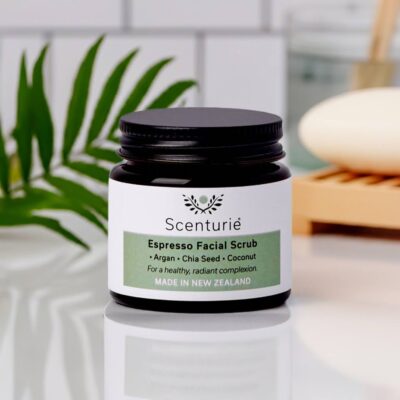
  • For Her: Our Espresso Coffee Face Scrub uses fine coffee grounds and sugar to promote a brighter, silky-smooth complexion.

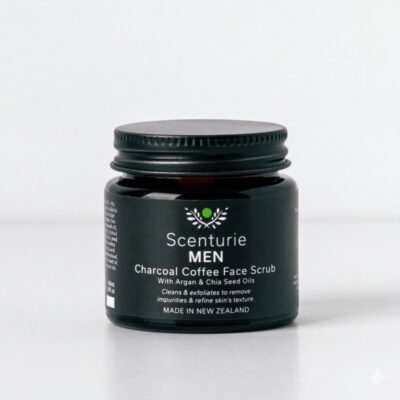
  • For Him: Our Men’s Charcoal Coffee Face Scrub combines Fairtrade coffee with activated charcoal to deeply cleanse and promote a clear-looking complexion.


  • Espresso Facial Scrub | 60mL

    $44.99
    Rated 5.00 out of 5
    Add to cart

Step 2: Add a High-Performance Power-Pack (Serum & Oil)

Now that your canvas is smooth and prepped, it’s ready to absorb high-performance, active ingredients. This is where you can make the biggest change in your skin’s appearance and feel.

My Formulator’s Tip: Choose a product based on your skin’s needs. A serum is a potent, targeted treatment that delivers concentrated ingredients, while a face oil is a luxurious, nourishing blend that is perfect for drier skin types.

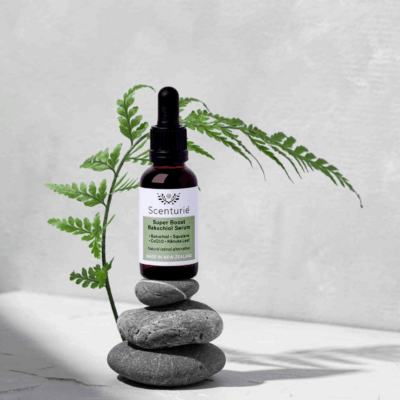
  • The Serum: Our Super Boost Bakuchiol Serum is our ‘Liquid Gold.’ This potent, plant-based serum is your secret weapon for a radiant complexion. It works to smooth the look of fine lines and promotes a visibly brighter, more even-toned glow.

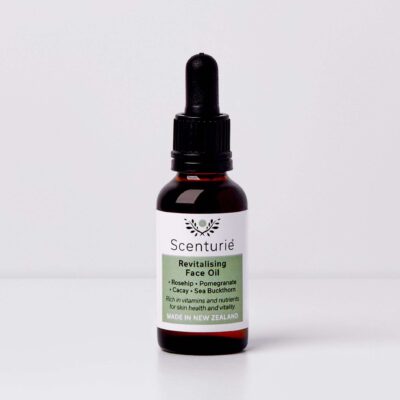
  • The Oil: Our Revitalising Face Oil is a rich, nourishing blend that deeply hydrates dry skin. It’s perfect for locking in moisture and leaving you with a soft, dewy glow.

  • Super Boost Bakuchiol Serum | 30mL

    $64.99
    Rated 5.00 out of 5
    Select options This product has multiple variants. The options may be chosen on the product page
  • Revitalising Face Oil | 30mL

    $56.99
    Rated 4.96 out of 5
    Select options This product has multiple variants. The options may be chosen on the product page

Step 3: Don’t Forget Your Body (Radiate Head-to-Toe)

A true holiday glow doesn’t stop at your neckline. So many people focus on their face but forget that their arms, legs, and décolletage will be on show at summer parties and events.

My Formulator’s Tip: The most effective way to get a luminous, all-over sheen is to apply a body oil to damp skin just after a shower. This traps the moisture on the skin’s surface, locking in hydration for hours.

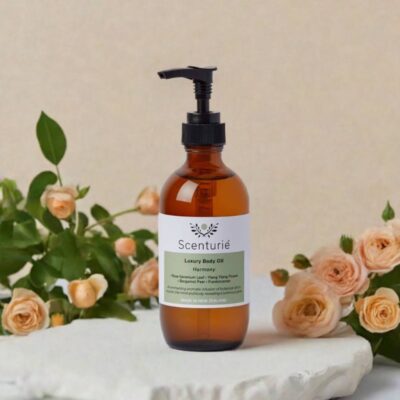
  • For a Luminous Sheen: Massage our Luxury Body Oil onto damp skin to lock in moisture and get a beautiful, subtle glow.

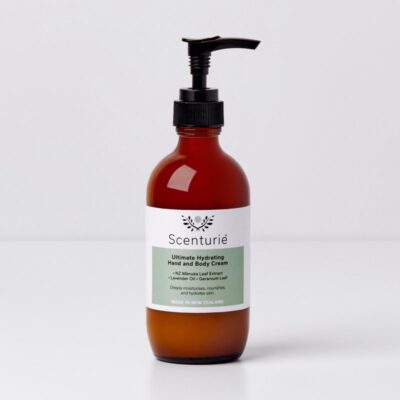
  • For Daily Hydration: Our rich, non-greasy Ultimate Hydrating Hand and Body Cream is a multi-award-winner for a reason. It’s perfect for hands, elbows, and anywhere that needs lasting, non-greasy hydration.

  • Luxury Body Oil – Harmony

    Price range: $44.99 through $59.99
    Rated 5.00 out of 5
    Select options This product has multiple variants. The options may be chosen on the product page
  • Ultimate Hydrating Hand and Body Cream | 185mL

    $52.99
    Rated 5.00 out of 5
    Select options This product has multiple variants. The options may be chosen on the product page

A Simple Ritual, A Conscious Choice

This simple, 3-step ritual will get your skin glowing just in time for the festive season. And because every Scenturie product is 100% plant-derived, vegan, and handcrafted with aroha in New Zealand, you can feel good about your choice.

Our commitment to sustainability is at the heart of everything I formulate—from our upcycled and Fair Trade ingredients to our plastic-free amber glass jars and aluminium refill lids.

You don’t just get a holiday glow; you get peace of mind.

Thank you for being part of our journey.

Tania x

Scenturie Best natural skincare brand NZ

A Formulator’s 3-Step Guide to a Radiant Holiday Glow (The Scenturie Way) Read More »

greenwashing

“Clean,” “Green,” “Eco-Friendly”… Are You Being Greenwashed?

Last Updated: 14 October 2025

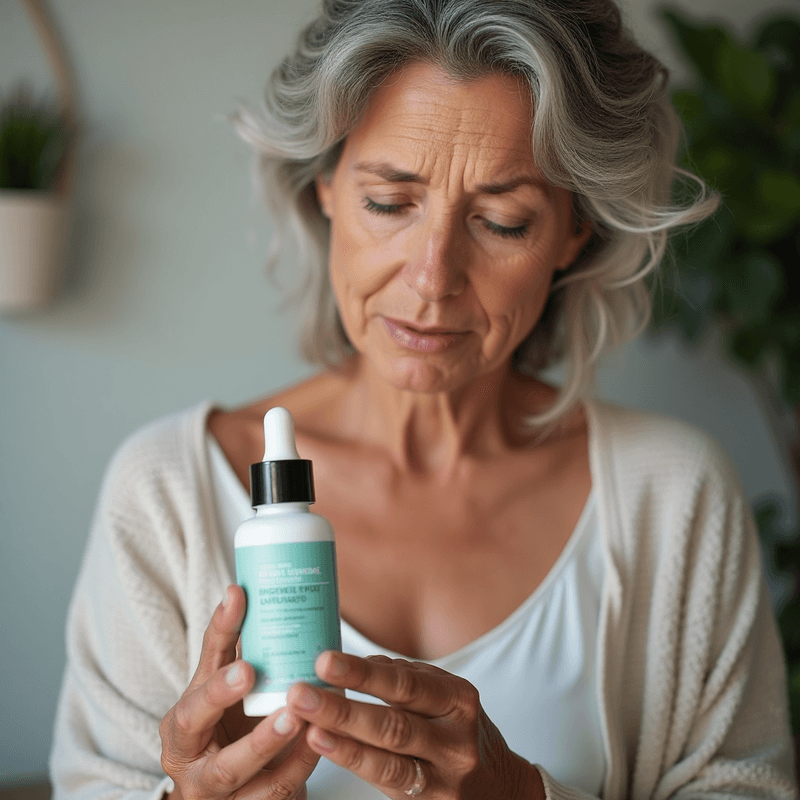
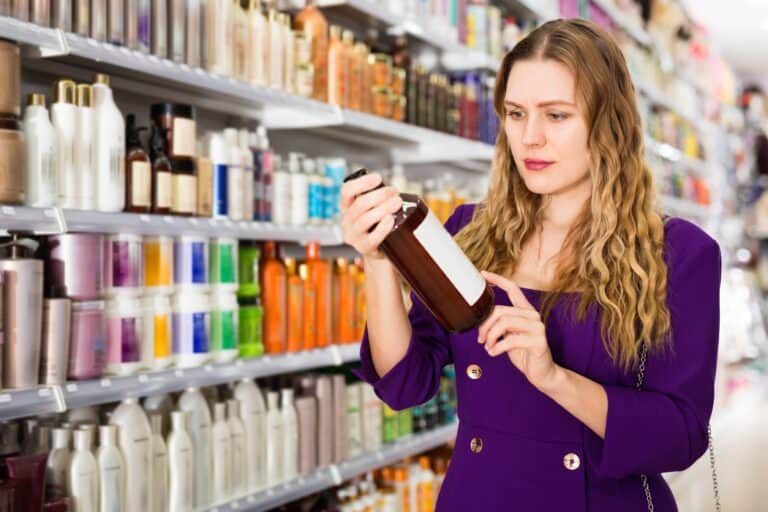
You’re standing in the aisle, holding a moisturiser in a pretty green box.

The label is covered in words that are supposed to make you feel good: “Clean.” “Green.” “Eco-Friendly.” “Pure & Natural.”

But a little voice in your head asks, “…Is it, though?”

You want to make a good choice. A choice that’s better for your skin, for your health, and for the planet. But you’re tired of the confusing jargon, the vague promises, and the nagging suspicion that you’re just being sold a story by a clever marketing team.

You’re right to be skeptical.

Let’s Be Honest: Most “Green” Claims Are Just Marketing Fluff.

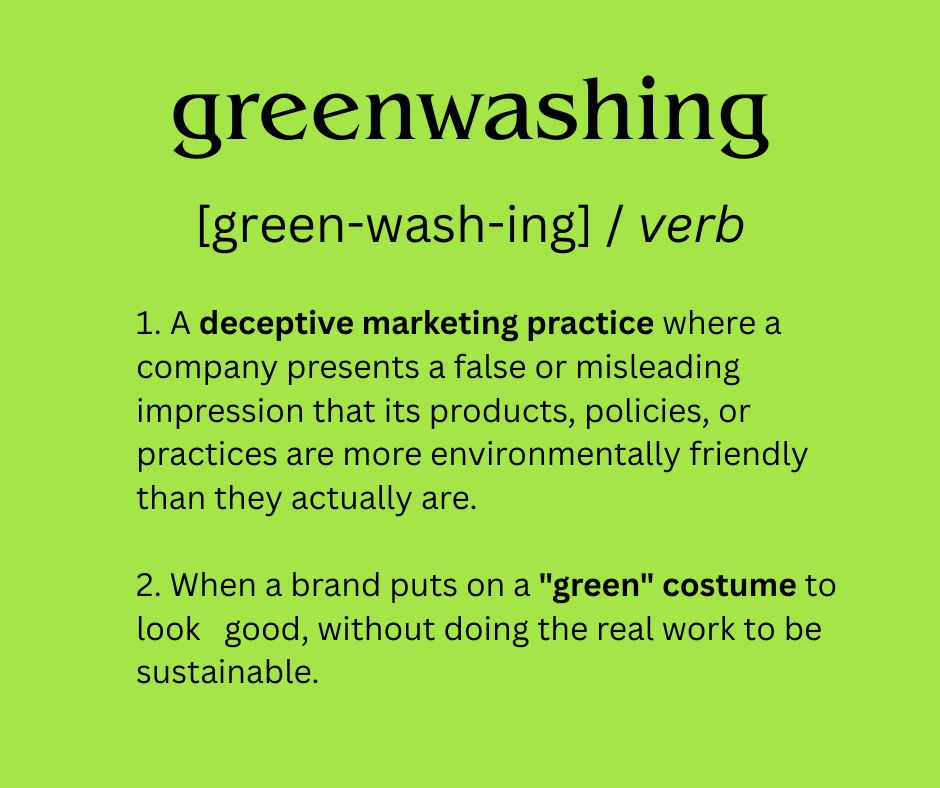
This feeling of being misled has a name: greenwashing. It’s the practice of making a brand appear more sustainable and natural than it actually is.

Brands use earthy colours, leafy logos, and buzzy words to create an eco-friendly illusion, while still using questionable ingredients or unsustainable packaging. It makes it almost impossible for you to tell the good guys from the bad.

But you don’t need a science degree to spot a genuinely conscious brand. You just need to know which questions to ask.

greenwashing defintion

The No-Fluff Checklist: How to Spot a Truly “Clean & Green” Brand

Instead of a long list of research tasks, here are the three non-negotiable questions that cut through the marketing noise. If a brand can’t give you a clear, confident “yes” to all three, you should probably walk away.

1. Do they show you what’s IN the bottle (and what’s NOT)?


A truly clean brand is transparent. They don’t hide behind confusing terms. They proudly tell you what they use and, just as importantly, what they leave out. You should be able to easily find a clear, full ingredient list and a strong “free-from” promise (like being 100% paraben-free, sulfate-free, and free from synthetic fragrances).


2. What happens to the bottle when you’re done?


This is the question that separates the truly sustainable from the pretenders. A “recyclable” plastic bottle is not enough, as most plastic is not infinitely recyclable. Look for brands that are actively solving the packaging problem with plastic-free materials (like glass and aluminium), refill options, and return programmes that create a circular system.


3. Who are the people behind the product?


Is the brand run by a massive, faceless corporation, or by real people who are passionate about what they do? A truly ethical brand is transparent about where its ingredients come from. Look for stories about Fair Trade partnerships that support communities and ethically sourced botanicals.

Our Promise to You: An Open Book

At Scenturie, we started our brand to be the answer to these questions. We wanted to create skincare you never have to feel suspicious about.

Here’s how we measure up against the checklist:

Uncompromising Purity & Transparency

Every product page on our site has a complete, easy-to-read ingredient list. We are, and always will be, 100% free from parabens, sulfates, phthalates, silicones, and synthetic fragrances.

A Circular, Plastic-Free Promise

We use infinitely recyclable glass and aluminium for our primary packaging. We offer plastic-reducing refill options for our pumps. And we take full responsibility for our packaging’s lifecycle with The Scenturie Loop, our return-and-reward programme.

Ethically Sourced Ingredients

We are built on a foundation of respect for people and the planet. From our Fair Trade Shea Butter sourced from a women’s cooperative in Ghana to our sustainably harvested NZ botanicals, we ensure our ethically sourced ingredients do good from the very beginning.

Scenturie Natural Skincare NZ

Ready to Stop Guessing and Start Glowing?

You shouldn’t have to do hours of research just to feel good about your skincare.

When you choose Scenturie, you’re choosing a brand that has already done the work for you. You’re choosing proven, science-backed formulas that are as kind to the planet as they are to your skin.

“Clean,” “Green,” “Eco-Friendly”… Are You Being Greenwashed? Read More »

plastic-free

Beauty and Personal Care: Why Plastic-Free Packaging Matters

Worldwide plastic pollution is creating an environmental crisis that is believed will be as serious as climate change. One of the biggest contributors to plastic waste is the beauty and personal care industry. With endless plastic bottles and containers dominating every retail space imaginable worldwide, more than 70% of this plastic will end up in landfill or our oceans.

However, WE are the ones who decide whether to buy these plastic packaged products or whether to choose non-plastic options. We are responsible for choosing the waste we purchase, it starts with us and it ends with us.

Read on to learn why plastic-free packaging in beauty and personal care products matters.

Plastic In The Beauty & Personal Care Industry

Life Before Plastic Packaging

In the not-so-distant past personal care items did not involve plastic packaging. Soaps came in bar form. Perfumes, a symbol of luxury, were packaged in elaborate glass containers. Hair-care products were powders or pomades packaged in tins or jars. The personal care industry was established during the 1920’s and exploded with the rise of Hollywood movies and the invention of American glamour and beauty standards. During the mid-20th century the plastic industry took off and the personal care industry jumped on board. Plastic was popular as it was cheap, light, flexible, easily moulded and easily transported.

Plastic Packaging Today

Today, plastic packaged beauty and personal care products fill entire aisles of supermarkets and beauty stores worldwide with more than 70% of that waste ending up in landfills or our oceans. According to a 2017 Science Advances paper 8.3 billion tonnes of virgin plastic has been produced worldwide to date and of this only 9% has been recycled, with 12% being incinerated, and 79% ending up in landfill or the natural environment. Plastic can often only be recycled once or twice into a new plastic product due to the break-down of its polymers during the recycling process, and many plastics are not recycled because the process is expensive, complicated and the resulting product is of lower quality than what you put in.

If current production and waste management trends continue, roughly 12 billion tonnes of plastic waste will be in landfills or in the natural environment by 2050.

Plastic is so firmly embedded in the modern supply chain that reducing or eliminating plastic packaging is a monumentous challenge that will take a concerted effort across companies of all sizes to make a change.

Key Reasons Why Plastic-Free Packaging  Matters:

1.Environmental Impact

plastic pollution

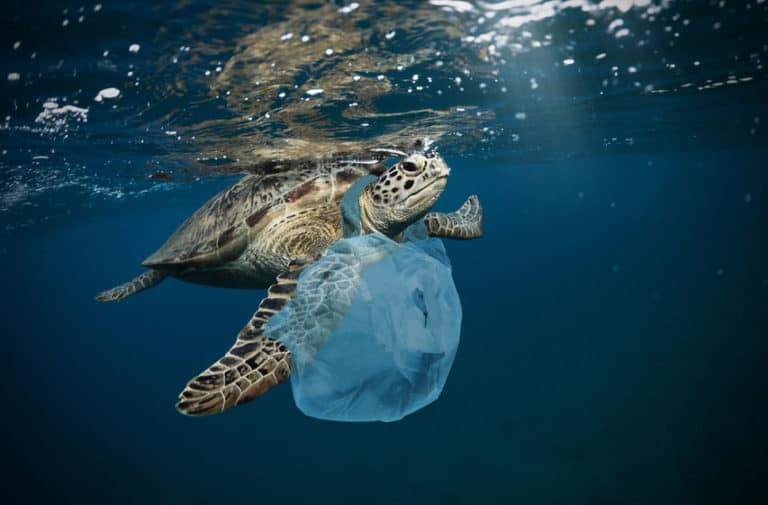
Plastic packaging is a major contributor to environmental pollution with more than 12.7 million tonnes of plastic entering our oceans every year. Plastics take hundreds of years to decompose, and when they do, they release harmful chemicals into the soil and water. Plastic waste also poses a significant threat to wildlife, as animals can mistake it for food or become entangled in it.

Plastic gradually breaks down into tiny particles that remain in the ocean as microscopic pollutants to be ingested by sea birds, fish, and other organisms. Experts warn that some of it is already finding its way into the human food chain and we have no idea of the scale of health implications this will cause.

By avoiding plastic packaging wherever possible and choosing instead to purchase products packaged in glass, aluminium, cardboard, or other environmentally friendly materials, you are doing your bit to help reduce the plastic pollution crisis.

2. Waste Reduction

plastic waste

Plastic packaging generates enormous amounts of waste. By opting for plastic-free alternatives, we can reduce the amount of waste ending up in landfills or incinerators. Plastic-free packaging options are often made from biodegradable or compostable materials, which can break down more easily and have a lower environmental impact.

3. Resource Conservation

petrochemical pollution

Producing plastic requires significant amounts of fossil fuels, contributing to greenhouse gas emissions and climate change. By choosing plastic-free packaging, we can reduce our reliance on fossil fuels and preserve natural resources.

4. Consumer Health and Safety

Some plastics contain harmful chemicals, such as phthalates and bisphenol A (BPA), which can leach into food or beverages stored in plastic packaging. These chemicals have been linked to various health issues, including hormonal disruptions and developmental problems. Plastic-free packaging eliminates these risks and ensures safer products for consumers.

5. Brand Reputation and Consumer Preference

As environmental awareness grows, many consumers are actively seeking out products with sustainable packaging. By adopting plastic-free packaging, businesses can enhance their brand reputation, attract eco-conscious customers, and differentiate themselves in the market.

6. Regulatory Compliance

Governments worldwide are implementing stricter regulations and policies to address plastic pollution. By embracing plastic-free packaging, companies can stay ahead of these regulations and avoid potential penalties or legal issues in the future.

What Can You Do To Help?

Many consumers today are becoming more conscious of the environmental and social impact of the products they use. Choosing beauty and personal care products with minimal or plastic-free packaging aligns with values of sustainability, conservation, and ethical consumption.

Amber glass choosing

Overall, plastic-free packaging is crucial for mitigating environmental damage, reducing waste, protecting human health, and aligning with sustainability goals. It promotes a more responsible and eco-friendly approach to packaging, benefiting both businesses and consumers in the long run.

By supporting brands that prioritise environmentally friendly packaging and recycling options, you can encourage others to do the same and drive positive change in the industry.

Our Scenturie Natural Skincare Range is packaged in glass bottles and jars with aluminium lids, which are recyclable and reusable. As part of our committment to ongoing sustainability we offer a Returnable Product Packaging Service. Our service allows you to return your empty Scenturie glass jars and bottles to us where they will be sterilised and either refilled and reused, and/or repurposed. This is our way of helping to lessen worldwide plastic pollution. Please support companies like ours who are doing their best to help protect our environment and ultimately our planet for future generations to enjoy.

Read our blog: Why Choose Natural Skincare?

“If you cannot do great things, do small things in a GREAT way!”

Napoleon Hill

Beauty and Personal Care: Why Plastic-Free Packaging Matters Read More »

upcycled grape seed oil

The Science and Ethics of Upcycled Skincare: A Guide to Circular Beauty

Updated: 23rd February 2026

For the conscious consumer in New Zealand, the definition of “sustainable beauty” is evolving. While choosing glass over plastic and seeking natural certifications remain important, a deeper shift is occurring. We are now looking at the life cycle of ingredients before they even reach the laboratory.

The beauty industry is embracing a resourceful new standard: upcycled skincare. This process represents a sophisticated approach to environmental stewardship, transforming nutrient-dense byproducts from the food and beverage sectors into high-performance botanical actives.


What is Upcycled Beauty?

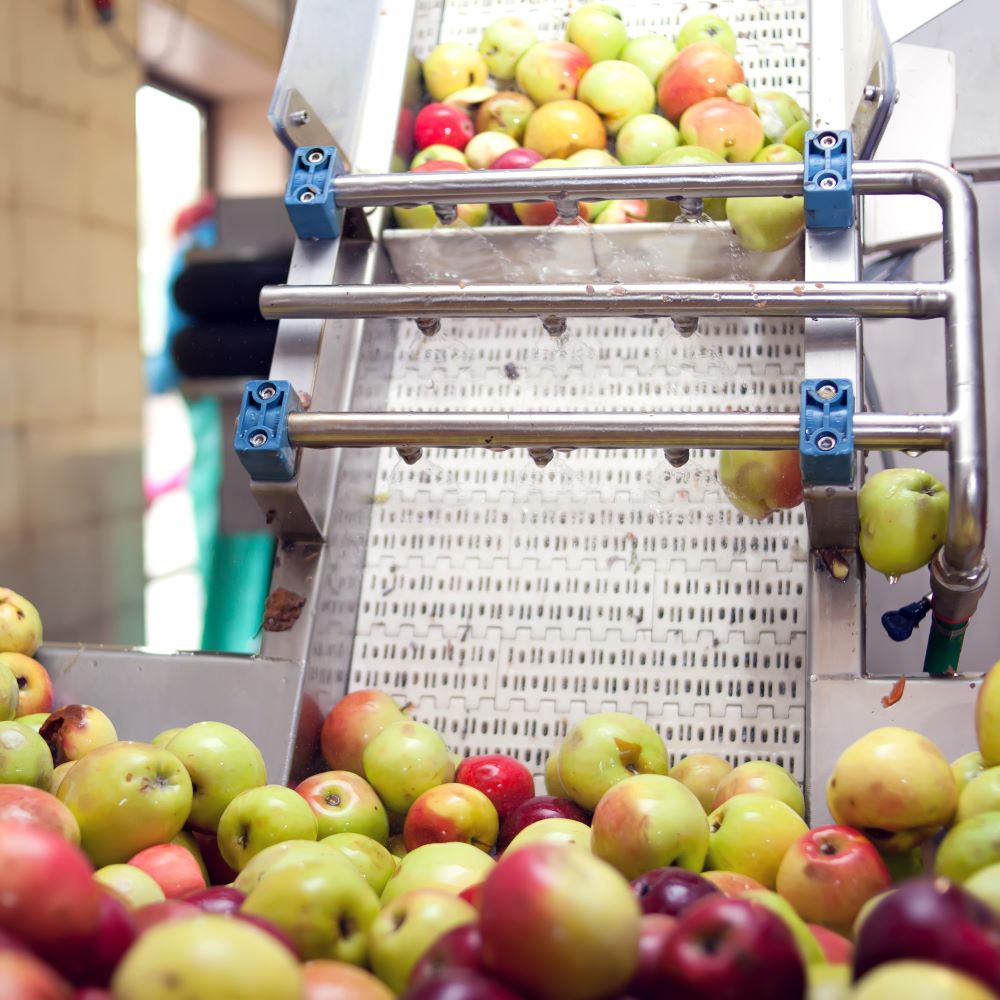
Upcycling, also known as creative reuse, is the process of taking high-quality materials that would otherwise be discarded and elevating them into something of higher value. In the context of skincare, this involves extracting potent oils, antioxidants, and vitamins from the “side streams” of food production—such as seeds, skins, and pulp.

Unlike traditional recycling, which often breaks materials down into lower-quality versions, upcycling harnesses the existing bio-actives within nature’s “leftovers.”

The Environmental Impact of Circular Ingredients

Adopting a circular model in skincare formulation provides three primary benefits:

  • Waste Mitigation: It diverts tonnes of organic matter from landfills, where it would otherwise decompose and release greenhouse gases.

  • Resource Preservation: It reduces the demand for “virgin” raw materials, significantly lowering the consumption of water, land, and energy required for cultivation.

  • Lower Carbon Footprint: The energy required to process a byproduct is substantially lower than that of producing a new ingredient from scratch, contributing to a more sustainable supply chain.


Upcycled Ingredients in Practice: Grape Seed Oil

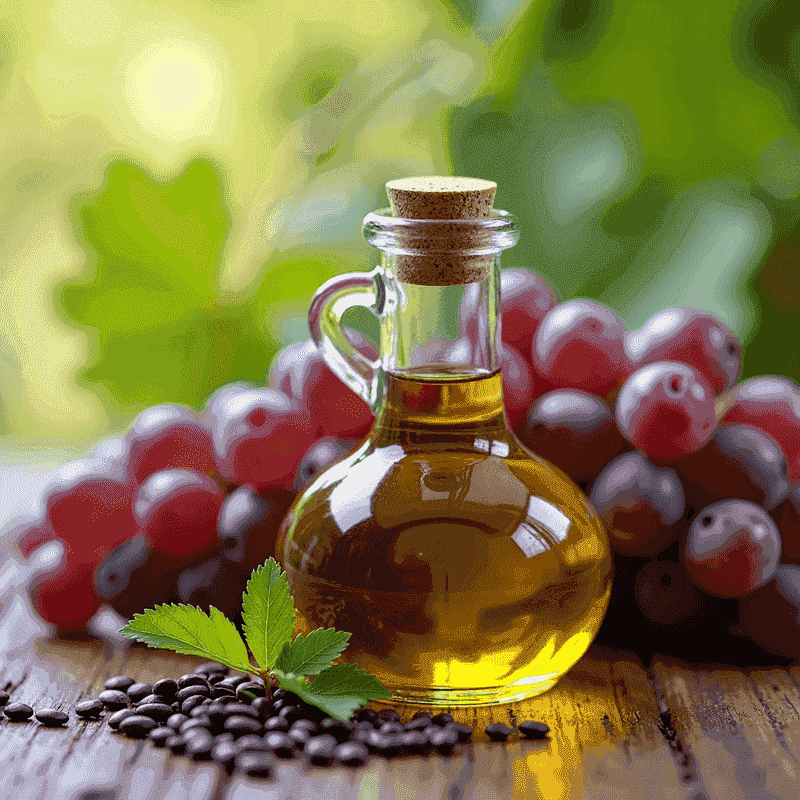
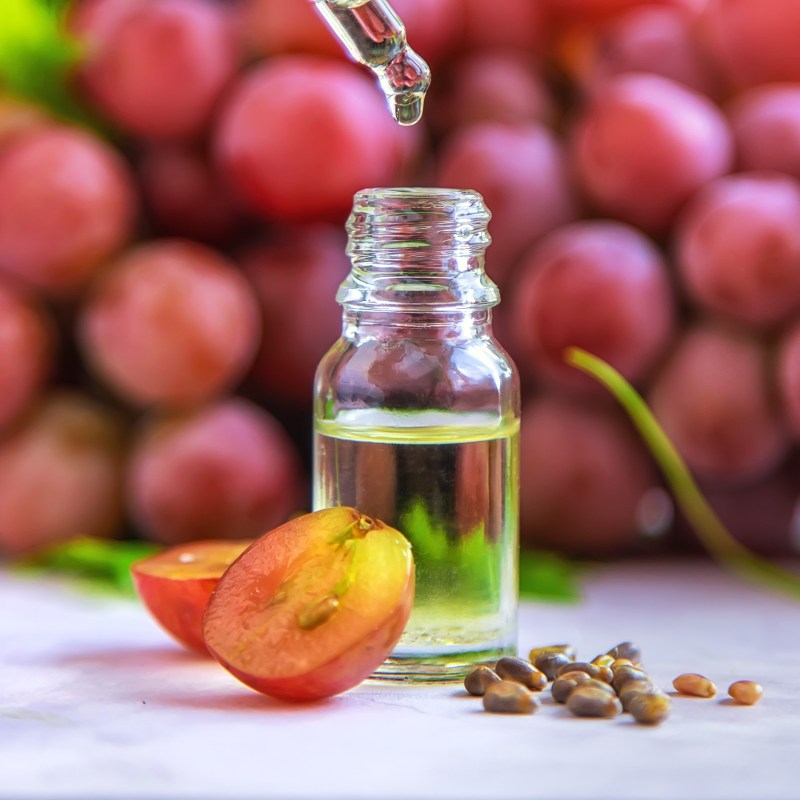
A premier example of upcycling innovation is the use of Cold-Pressed Grape Seed Oil. In regions like the Douro Valley, the production of Port wine leaves behind a wealth of nutrient-rich seeds. While these were historically overlooked, they are now recognised as a goldmine for skin health.

Why Grape Seed Oil?

Grape seeds are naturally abundant in polyphenols and antioxidants, particularly proanthocyanidins. When cold-pressed, they yield a lightweight, non-comedogenic oil that provides several physiological benefits:

  1. Antioxidant Protection: It helps neutralise free radicals caused by New Zealand’s high UV levels and environmental pollutants.

  2. Skin Barrier Support: High in linoleic acid (omega-6), it reinforces the skin’s natural lipid barrier to prevent moisture loss.

  3. Enhanced Absorption: Its fine molecular structure allows it to penetrate the skin deeply without leaving a greasy residue.


Formulating for the Future: Our Commitment to the Planet

At Scenturie, we believe that the most effective skincare is also the most resourceful. We integrate upcycled grape seed oil into a significant portion of our range, ensuring that your daily ritual supports a circular economy.

Where You’ll Find Upcycled Actives

We have carefully selected these ingredients for our core formulations to ensure maximum efficacy:


Frequently Asked Questions: Upcycled Skincare & Circular Beauty

To help you better understand this sustainable shift in beauty, we’ve answered the most common questions regarding upcycled ingredients and their role in your skincare routine.

Q: What is the difference between “recycled” and “upcycled” in skincare?

Recycling usually involves breaking a material down (like melting glass or plastic) to create a new version of the same thing. Upcycling takes a byproduct that was considered “waste” and transforms it into something of higher quality and value, such as turning discarded fruit seeds into premium, cold-pressed facial oils.

Q: Are upcycled ingredients as effective as traditional ingredients?

Yes, and in many cases, they are more potent. Because upcycled ingredients like grape seeds or coffee grounds are often “side streams” of the food industry, they are harvested at peak freshness. This ensures that the high concentrations of antioxidants, vitamins, and fatty acids remain intact and highly bio-available for your skin.

Q: Is upcycled skincare safe for sensitive skin?

Absolutely. The safety of an ingredient depends on its molecular structure and how it is processed, not whether it is upcycled. At Scenturie, our upcycled Grape Seed Oil is cold-pressed and refined to the highest cosmetic standards, making it biocompatible and soothing for even the most reactive skin types.

Q: How does upcycling help the New Zealand environment?

By sourcing ingredients like grape seeds from the wine industry or local botanical byproducts, we reduce the amount of organic waste sent to NZ landfills. It also supports a “Circular Economy,” where resources are kept in use for as long as possible, reducing the need for imported virgin raw materials.


Setting a New Standard for NZ Skincare

Choosing skincare formulated with upcycled ingredients is a vote for ingenuity. It reflects a shift away from the “take-make-waste” model toward a restorative, circular approach. As a New Zealand company, we are dedicated to exploring these “overlooked treasures” to create products that are as radiant as they are responsible.

Experience the power of circular beauty. Shop our sustainable skincare range.

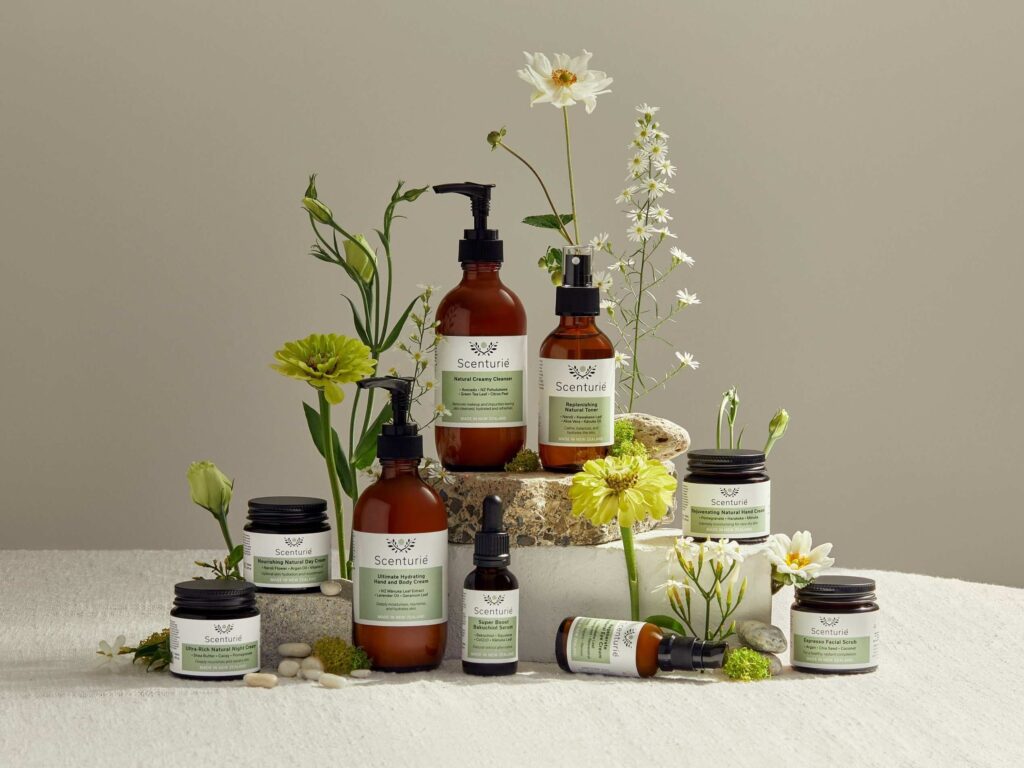
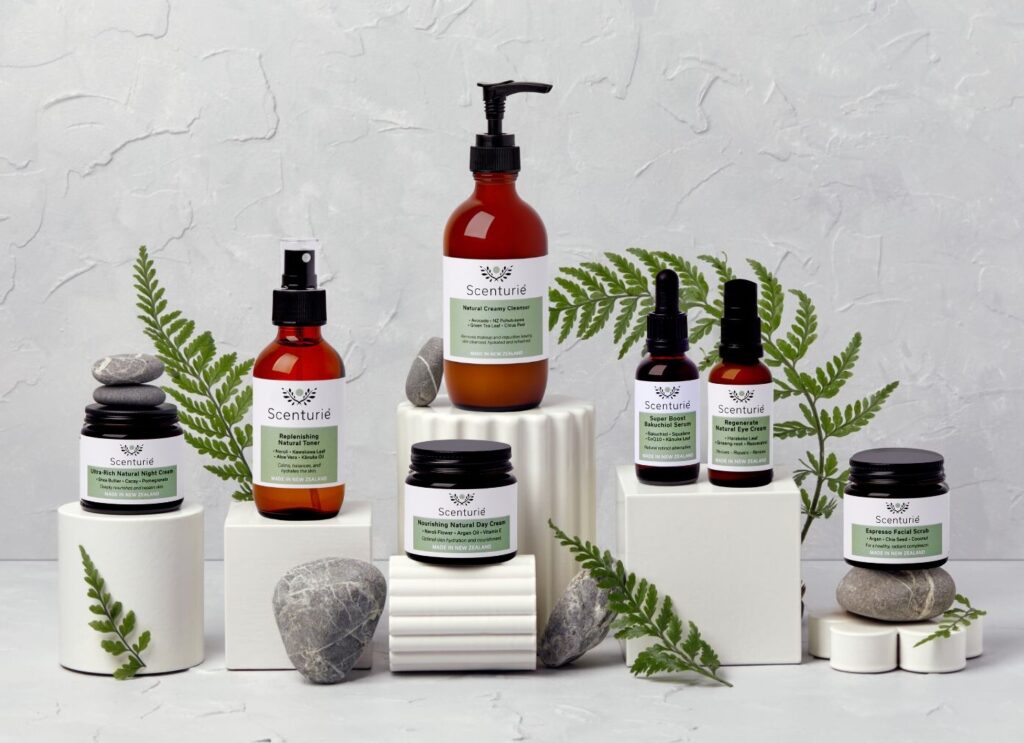
Scenturie natural skincare range

The Science and Ethics of Upcycled Skincare: A Guide to Circular Beauty Read More »

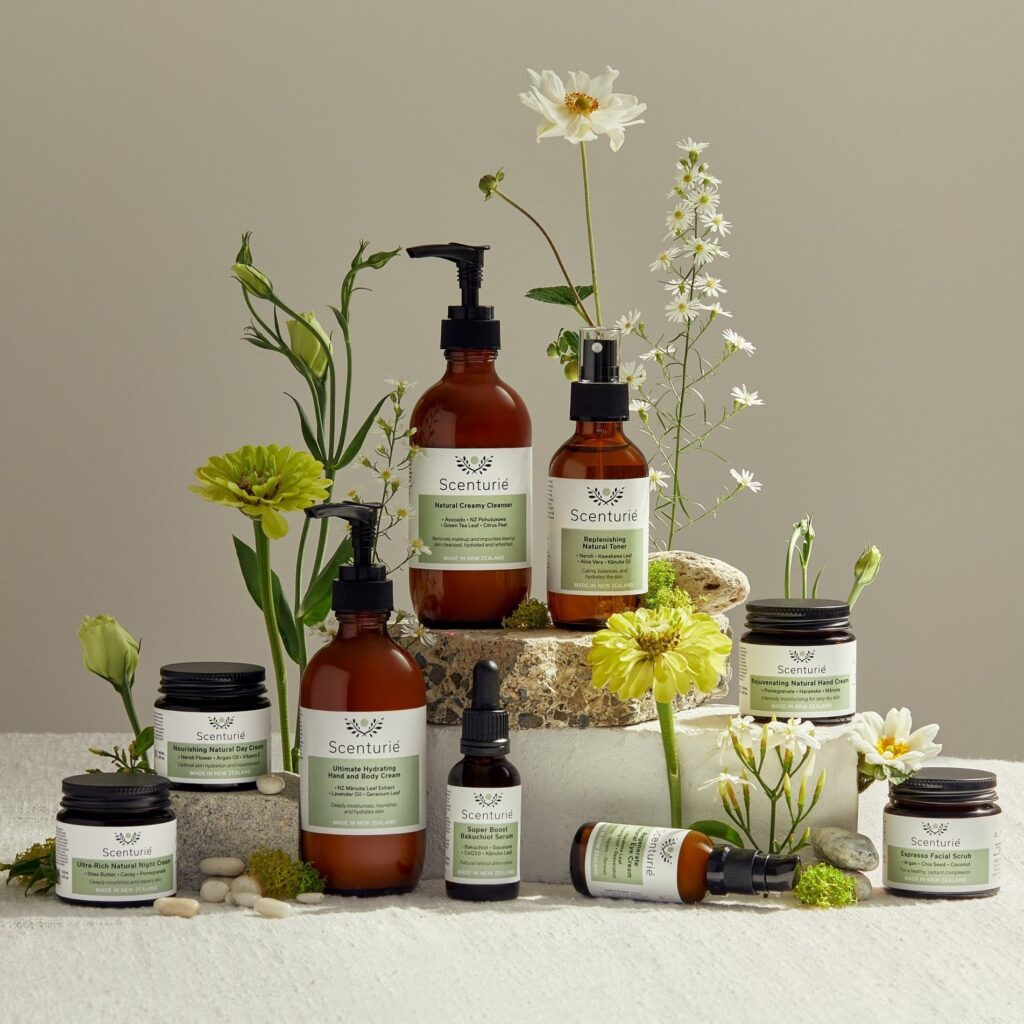
Scenturie natural skincare range in New Zealand featuring palm-free glycerine and native NZ botanicals for ethical beauty.

Palm-Free Skincare NZ: Scenturie’s Ethical & Sustainable Guide

Updated: February 2026

At Scenturie, our philosophy is simple: high-performance skincare should never come at the cost of our planet’s vital ecosystems. As a proud New Zealand company, we operate with a palm-free-first mandate. This means we prioritise 100% palm-free ingredients—such as our native NZ botanicals and rapeseed-derived waxes—to ensure our formulations reflect our deep respect for global biodiversity.

While palm oil is an industry “pariah” due to the devastation caused by unsustainable production, we believe in total transparency. This guide explores the “ugly truth” of conventional palm oil and how Scenturie is pioneering a more ethical, restorative path for natural beauty in Aotearoa.


The Scenturie Promise

“We are proud to be a palm-oil-free focused brand. We prioritise 100% palm-free ingredients, such as our native NZ botanicals and Brassica alcohols. In the rare instance where a functional derivative is required for product stability, we mandate that it is strictly RSPO-certified sustainable. We never use conventional, unsustainable palm oil.” — Tania Cibulskis, Founder & Formulator

A split-screen photographic comparison. The left side shows a lush, vibrant green tropical rainforest shrouded in mist. The right side shows a desolate landscape of felled trees and mud, with two orangutans navigating the debris of their destroyed habitat.
The Choice is Clear: At Scenturie, we move beyond the devastating reality of conventional palm oil production (right) by prioritising a palm-free-first philosophy and native NZ botanicals that protect our planet's vital biodiversity.

 At a Glance: The Scenturie Sourcing Standard

  • 100% Palm-Free Oils: We use zero crude palm oil in our formulations.

  • 100% Palm-Free Glycerine: Unlike most brands, our humectants are derived from alternative plant sources to ensure zero reliance on the palm industry.

  • Innovative Alternatives: We utilise Brassica alcohol (derived from the cabbage family) as a 100% palm-free structuring agent.

  • Strict RSPO Oversight: Where a functional derivative is required for stability (such as our olive-derived emulsifiers), we mandate that it is strictly RSPO-certified sustainable.

  • Vegan & Cruelty-Free: Our commitment to ethics extends to every living being.


1. Why “Palm-Free First” is the New Standard for NZ Beauty

Most people are unaware that palm oil is hidden in nearly 70% of all beauty products. Derived from the fruit of the oil palm (Elaeis guineensis), it is the most land-efficient oil crop in the world. However, its popularity has driven critical environmental and social challenges.

The Environmental Necessity

The unsustainable clearing of rainforests for palm plantations is a primary driver of habitat loss for endangered species and a massive contributor to global carbon emissions. By choosing a palm-free-focused brand like Scenturie, you are directly supporting:

  • The Protection of Biodiversity: Saving the habitats of the Bornean orangutan and Sumatran tiger.

  • Climate Resilience: Preventing the burning of carbon-rich peatlands.

  • Human Rights: Ensuring your beauty ritual is free from the human rights abuses often linked to unregulated plantations.


2. Navigating the “Hidden” Names of Palm Oil

One of the biggest challenges for a conscious consumer is identifying derivatives. Palm oil is rarely listed plainly; it is often hidden within over 200 different chemical names.

Common Palm-Free Heroes in Scenturie Products

We intentionally select ingredients that bypass the palm industry entirely:

  • Brassica Alcohol: A luxurious, 100% palm-free thickener.

  • Native NZ Extracts: Harakeke, Kawakawa, and Pōhutukawa (naturally 100% palm-free).

  • Upcycled Grape Seed Oil: Repurposed from the NZ wine industry.

  • Palm-Free Glycerine: Sourced from non-palm plant bases for ethical hydration.

Derivatives We Audit for RSPO Sustainability

In the cosmetic industry, some high-performance ingredients require a fatty acid carrier. If you see these on a label, ensure the brand specifies they are RSPO-certified:

  • Cetearyl Olivate / Sorbitan Olivate: These olive-derived emulsifiers provide incredible biomimicry, mimicking the skin’s surface for deeper absorption. We use only RSPO-certified versions to ensure they never come at the cost of primary rainforests.


3. Navigating Sustainable Solutions: The RSPO Standard

Established in 2004, the Roundtable on Sustainable Palm Oil (RSPO) developed a certification system to promote ethical sourcing.

Is a Total Boycott the Best Solution?

Interestingly, many environmental organisations (including the WWF) suggest that a total boycott could inadvertently cause more harm. Because palm oil is so efficient, replacing it with less productive crops (like soy or coconut) would require significantly more land. The objective is to transition the global supply chain toward 100% RSPO-certified sustainable palm oil, ensuring production without deforestation.


Frequently Asked Questions: Palm Oil and Ethical Skincare

What is the difference between conventional and sustainable palm oil?

The primary difference lies in traceability. Conventional palm oil is often linked to unregulated deforestation. In contrast, RSPO-certified sustainable palm oil is produced under strict standards that protect primary forests, preserve wildlife corridors, and ensure fair labour practices.

Is Scenturie skincare 100% palm-oil free?

We prioritise a palm-free-first formulation strategy. We utilise 100% palm-free ingredients like Brassica alcohol and Palm-free Glycerine. Where a functional derivative is required for product stability—such as in our olive-derived emulsifiers—we mandate the use of certified sustainable (RSPO) sources.

How do I identify “hidden” palm oil on ingredient labels?

Look for the “palm” root in words like Palmitate. Other common derivatives include Sodium Lauryl Sulfate and Stearic Acid. In New Zealand, generic “Vegetable Oil” labels often refer to palm oil if not otherwise specified.


Conclusion: Becoming a Conscious Consumer

Sustainable skincare is a journey of continuous improvement. By choosing products that are either palm-oil-free or use strictly RSPO-certified sustainable sources, you are sending a powerful message to the industry that ethics and environment must come before profit.

Join the movement toward transparent, ethical beauty.

Palm-Free Skincare NZ: Scenturie’s Ethical & Sustainable Guide Read More »

feeling overwhelmed by sustainable living?

Feeling Overwhelmed by “Sustainable Living”? You’re Not Alone. Here’s Where to Start.

Last Updated: 16 October 2025

Let’s be honest. You see the headlines. You watch the documentaries (thank you, Sir David Attenborough). You feel that pang of eco-anxiety when you see the sheer amount of plastic in the supermarket.

You want to do the right thing. You want to live more sustainably.

But it all feels so… big.

You’re told to reduce waste, eat less meat, conserve water, avoid palm oil, plant a tree, shop local, and call your local MP. The list is endless. It feels like you have to get a PhD in environmental science just to do your weekly shop.

It’s overwhelming. And it can make you feel like your small choices don’t even matter.

Here’s the truth: You don’t have to do everything. You just have to start somewhere.

Big, global change doesn’t happen with a few people doing sustainability perfectly. It happens with millions of us doing it imperfectly, but consistently. This is your simple, no-guilt guide to making a real difference, starting today.


The “Progress, Not Perfection” Plan: 3 Simple Places to Start

Instead of a giant, overwhelming to-do list, let’s focus on three key areas of your life where small changes have a huge impact.


1. Start in Your Kitchen: Conscious Consumption


What you eat and how you buy it is a powerful vote for the kind of world you want to live in.

  • Eat One More Plant-Based Meal a Week: The livestock industry is a massive consumer of our planet’s resources. You don’t have to go full vegan overnight. Just swapping one meat-based meal for a plant-based one is a significant, positive step.

  • Grow Something (Anything!): You don’t need a huge garden. A small pot of herbs on your windowsill is a perfect start. It reduces food miles to zero and connects you to your food.

  • Shop Local When You Can: Supporting your local farmers’ market or butcher reduces shipping emissions and invests money directly into your community.

2. Start in Your Home: The 10-Minute Waste Audit

New Zealanders throw away more rubbish per person than most other developed nations. But you can make a dent in that, starting this week.

  • Refuse Junk Mail: Put a “No Junk Mail” sticker on your letterbox. It’s a simple, one-time action that saves a surprising amount of paper waste.

  • Master Your Bins: Get really good at knowing what can and can’t be recycled in your area.

  • Embrace the Reusable Bag (and Cup!): You’re probably already doing this, but it’s the perfect example of a small, consistent habit that makes a huge difference.


3. Start in Your Bathroom: The Power of Your Purchase


This is where you have incredible power. The beauty industry is one of the world’s biggest producers of plastic waste. By choosing your products consciously, you can directly support the brands that are doing things the right way.

This is why, at Scenturie, we are obsessed with these details. It’s not just a marketing story; it’s our entire reason for being.

  • We Said No to unsustainable Palm Oil: Many “natural” ingredients are derived from unsustainable palm oil, a major driver of deforestation. Our entire range is free from unsustainable palm oil.

  • We Chose Glass & Aluminium: Your Scenturie products come in infinitely recyclable glass and aluminium. It’s a conscious choice to be a plastic-free brand.

  • We Created The Scenturie Loop: We take responsibility for our packaging’s entire lifecycle. Our return-and-reward programme allows you to send back your empties to be reused, creating a truly circular system.

The Scenturie Loop

Your Choices Are Your Superpower

See? It’s not about doing everything. It’s about doing something.

Choose one thing from this list and start there. Master it. Then, when you’re ready, choose another.

Your small, consistent choices, when multiplied by thousands of other conscious consumers, are what will create the real, lasting change our beautiful Aotearoa and our planet needs.

Ready to support a brand that has already made these sustainable choices for you?

Scenturie Natural Skincare NZ

Feeling Overwhelmed by “Sustainable Living”? You’re Not Alone. Here’s Where to Start. Read More »

Scroll to Top