
Last Updated: 14 October 2025
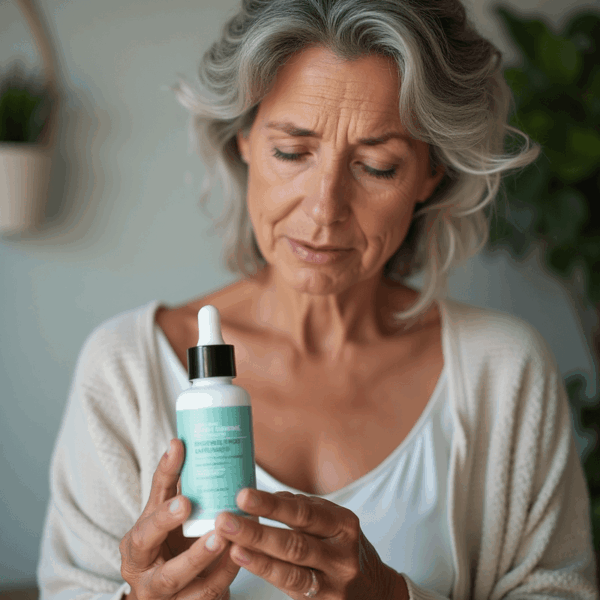
You’re standing in the aisle, holding a moisturiser in a pretty green box.
The label is covered in words that are supposed to make you feel good: “Clean.” “Green.” “Eco-Friendly.” “Pure & Natural.”
But a little voice in your head asks, “…Is it, though?”
You want to make a good choice. A choice that’s better for your skin, for your health, and for the planet. But you’re tired of the confusing jargon, the vague promises, and the nagging suspicion that you’re just being sold a story by a clever marketing team.
You’re right to be skeptical.
Let’s Be Honest: Most “Green” Claims Are Just Marketing Fluff.
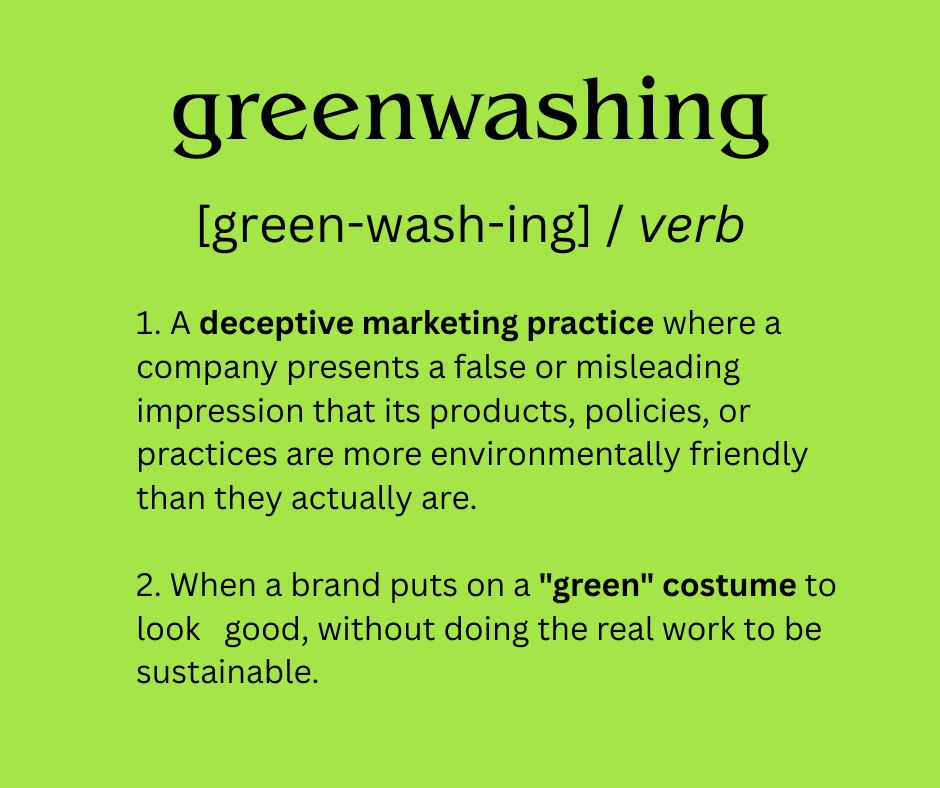
This feeling of being misled has a name: greenwashing. It’s the practice of making a brand appear more sustainable and natural than it actually is.
Brands use earthy colours, leafy logos, and buzzy words to create an eco-friendly illusion, while still using questionable ingredients or unsustainable packaging. It makes it almost impossible for you to tell the good guys from the bad.
But you don’t need a science degree to spot a genuinely conscious brand. You just need to know which questions to ask.
The No-Fluff Checklist: How to Spot a Truly “Clean & Green” Brand
Instead of a long list of research tasks, here are the three non-negotiable questions that cut through the marketing noise. If a brand can’t give you a clear, confident “yes” to all three, you should probably walk away.
1. Do they show you what’s IN the bottle (and what’s NOT)?
A truly clean brand is transparent. They don’t hide behind confusing terms. They proudly tell you what they use and, just as importantly, what they leave out. You should be able to easily find a clear, full ingredient list and a strong “free-from” promise (like being 100% paraben-free, sulfate-free, and free from synthetic fragrances).
2. What happens to the bottle when you’re done?
This is the question that separates the truly sustainable from the pretenders. A “recyclable” plastic bottle is not enough, as most plastic is not infinitely recyclable. Look for brands that are actively solving the packaging problem with plastic-free materials (like glass and aluminium), refill options, and return programmes that create a circular system.
3. Who are the people behind the product?
Is the brand run by a massive, faceless corporation, or by real people who are passionate about what they do? A truly ethical brand is transparent about where its ingredients come from. Look for stories about Fair Trade partnerships that support communities and ethically sourced botanicals.
Our Promise to You: An Open Book
At Scenturie, we started our brand to be the answer to these questions. We wanted to create skincare you never have to feel suspicious about.
Here’s how we measure up against the checklist:
Uncompromising Purity & Transparency
Every product page on our site has a complete, easy-to-read ingredient list. We are, and always will be, 100% free from parabens, sulfates, phthalates, silicones, and synthetic fragrances.
A Circular, Plastic-Free Promise
We use infinitely recyclable glass and aluminium for our primary packaging. We offer plastic-reducing refill options for our pumps. And we take full responsibility for our packaging’s lifecycle with The Scenturie Loop, our return-and-reward programme.
Ethically Sourced Ingredients
We are built on a foundation of respect for people and the planet. From our Fair Trade Shea Butter sourced from a women’s cooperative in Ghana to our sustainably harvested NZ botanicals, we ensure our ethically sourced ingredients do good from the very beginning.

Ready to Stop Guessing and Start Glowing?
You shouldn’t have to do hours of research just to feel good about your skincare.
When you choose Scenturie, you’re choosing a brand that has already done the work for you. You’re choosing proven, science-backed formulas that are as kind to the planet as they are to your skin.