
Updated: October 2026
Take a look at your bathroom vanity. If you have ever flipped a jar over, scanned a 30-ingredient Latin-and-chemical list, and felt a quiet pang of hesitation, you are far from alone.
Perhaps it is the realisation that a product marketed as “clean” still conceals cheap fillers. Maybe it is discovering that “natural” often conceals animal byproducts. Or perhaps your skin is actively voicing its objection through persistent barrier tightness, sudden contact redness, and a surface dullness that moisturiser can no longer remedy.
There is a simple truth about your skin: you only get one skin barrier, and it is a living, selective biological organ. It is not an inert synthetic surface. What you apply topically interacts directly with your cutaneous microbiome, lipid matrix, and cellular turnover.
At Scenturie, we believe daily skincare should never demand a compromise between clinically verified results and your ethical values. You do not need to sacrifice biological efficacy to choose cruelty-free integrity.
Here is why 2026 is the turning point for ethical cosmetic chemistry, what hidden animal derivatives are lurking in conventional skincare, and why biocompatible botanical actives offer superior dermal support.
In a Nutshell: Key Takeaways
Cruelty-Free vs. 100% Vegan: Cruelty-free indicates that no animal testing occurred; vegan confirms that zero animal-derived tissues, greases, or processing aids are inside the formula.
The Tallow Re-Emergence: Ancestral animal fats like beef tallow are heavy, occlusive saturated fats that carry high comedogenic risks. They lack the cellular polyphenols, bio-flavonoids, and essential fatty acids found in cold-pressed seed oils.
Hidden Animal Derivatives: Ingredients like squalene (shark liver), lanolin (sheep wool grease), and collagen (bovine/fish hide) are frequently disguised behind technical trade names.
Biocompatible Bio-Actives: Cold-pressed botanicals such as Cacay, Harakeke, and Bakuchiol deliver targeted molecular nutrients that absorb seamlessly into the lipid matrix without suffocating epidermal respiration.
The Core Distinction: Vegan vs. Cruelty-Free
Before auditing an ingredient deck, it is essential to clarify a recurring consumer misconception:
Cruelty-Free guarantees that a finished cosmetic product and its raw materials were not subjected to animal testing during development.
100% Vegan guarantees that the formulation contains zero animal tissues, secretions, or animal-derived byproducts.
A product can be certified cruelty-free while simultaneously containing crushed cochineal scale insects for red pigment (carmine), shark liver oil for emolience (squalene), or sheep wool wax for waterproofing (lanolin).
Opting for 100% vegan formulation goes beyond avoiding animal testing: it means prioritizing unadulterated plant biochemistry engineered by nature for cellular repair.
The Tallow Revival: Ancestral Wisdom or Biological Backward Step?
You may have noticed rendered beef tallow being heavily promoted across social media as an “ancestral, bio-identical” moisturiser.
While beef tallow does provide surface-level lipids, it remains an unrefined, highly occlusive byproduct of the commercial cattle industry. From a clinical perspective, human sebum is a sophisticated mixture of squalene, wax esters, triglycerides, and free fatty acids. Rendered bovine tallow consists predominantly of heavy saturated stearic and palmitic acids.
For most modern complexions—particularly those prone to adult congestion, perioral dermatitis, or barrier sensitivity—tallow forms a dense, non-breathable blanket. This film traps dead keratinised skin cells and cutaneous bacteria (Cutibacterium acnes).
Furthermore, animal fat provides virtually zero plant polyphenols, bio-flavonoids, or botanical vitamin precursors. High-performance plant oils deliver identical barrier-cushioning qualities alongside an intricate, living array of cellular antioxidants.
Plant Oils vs. Animal Byproducts: What’s Best for Your Skin?
| What Matters | Scenturie Plant Oils (Cacay, Argan, Jojoba) | Animal Fat & Beef Tallow |
| Will it clog pores? | Won’t clog pores. Light and breathable so your skin stays clear. | High risk of breakouts. Heavy fats can trap sweat, dead skin, and bacteria. |
| Nutrients for your skin | Loaded with skin food. Packed with natural plant vitamins, antioxidants, and omegas. | Very limited. Mostly plain saturated fat—none of the active antioxidants found in plants. |
| How it feels on your skin | Sinks right in. Absorbs quickly to leave a soft, natural glow with zero greasy feel. | Heavy and waxy. Tends to sit on top of your face like a greasy mask. |
| Does it actually repair skin? | Actively renews. Helps smooth fine lines, calm redness, and repair sun-stressed skin. | Only seals moisture. Acts like a plastic wrap—it locks moisture in, but doesn’t actively repair or renew cells. |
| Impact on the planet | Kind & sustainable. 100% vegan, cruelty-free, and ethically grown from renewable plants. | Livestock byproduct. Sourced from high-emission, industrial meat production. |
A Note from Tania
“When I first started formulating botanical skincare, I was stunned by how often animal leftovers were tucked away behind complicated chemical names. With my background in health science, I knew these ingredients weren’t just an ethical question—they simply weren’t giving our skin the rich, active nutrients it actually needs.
Plants produce incredible natural compounds specifically designed to repair cells, endure harsh sunshine, and protect against stress. You shouldn’t need a science degree to know what you’re smoothing onto your face every morning. I wrote this guide to help you see straight through misleading marketing and feel confident choosing pure, gentle, plant-powered care.”
— Tania Cibulskis, Founder & Cosmetic Formulator (PGDipHSc, BHSc, BSc)
Bathroom Audit: 5 Hidden Animal Ingredients to Watch For
Many conventional brands use technical jargon to disguise animal byproducts on their ingredient labels. Keep this handy cheat sheet nearby when checking your bottles:
1. Squalene (with an “e”)
Where it usually comes from: Harvested from shark livers.
The plant-based swap: Squalane (with an “a”), pressed from pure Spanish olives. It matches the natural moisture your skin already makes, stays fresh longer, and keeps our oceans safe.
2. Lanolin
Where it usually comes from: The greasy coating washed out of sheep’s wool.
Why it causes trouble: While it feels thick and moisturising, lanolin is a notorious trigger for breakouts, contact allergies, and itchy eczema patches.
The plant-based swap: Rich African Shea Butter and cold-pressed Jojoba oil, which soften dry patches deeply without irritating delicate skin.
3. Animal Collagen
Where it usually comes from: Boiled cow hides or fish scales.
The honest truth: Whole collagen molecules are far too large to soak through your skin—they just dry on the surface as a sticky film.
The plant-based swap: Help your skin make its own collagen by feeding it Cacay Seed Oil (nature’s richest plant source of Vitamin A) and gentle plant peptides.
4. Caprylic Acid
Where it usually comes from: Often separated from cow or goat dairy milk.
The plant-based swap: Fractionated coconut oil, which gives creams a silky, non-greasy feel that absorbs in seconds.
5. Oleic & Stearic Acids
Where it usually comes from: Often rendered from slaughterhouse animal fat (tallow).
The plant-based swap: Pure essential fatty acids pressed straight from botanical seeds like Argan, Sweet Almond, and Evening Primrose.
Feed Your Skin Real Nutrients, Not Cheap Fillers
Mainstream skincare often relies on animal fats and mineral oils for one simple reason: they are cheap to buy, last forever on a warehouse shelf, and create a quick, artificial slip.
The downside? They act like a plastic wrap over your face. They sit heavily on the surface, suffocating your pores while leaving your deeper skin cells parched and thirsty underneath.
Plants, on the other hand, are packed with living nutrition your skin instantly welcomes:
Plant Hyaluronic Acid: Fermented from natural plant sugars, these micro-sponges slip straight beneath the surface to hold onto water and plump dehydration lines.
Bakuchiol (The Gentle Retinol Alternative): Extracted from the Ayurvedic Babchi plant, it smooths fine lines and speeds up cell renewal just like traditional retinol—with none of the burning, peeling, or sun sensitivity.
Native NZ Botanicals: Wild-harvested Harakeke and Kawakawa, evolved to survive intense Southern Hemisphere UV, calm redness and soothe irritation deep down.
The Scenturie Plant-Powered Routine
Simple, high-performance skincare made without animal derivatives, cheap fillers, or compromise:
Step 1: Cleanse & Soften
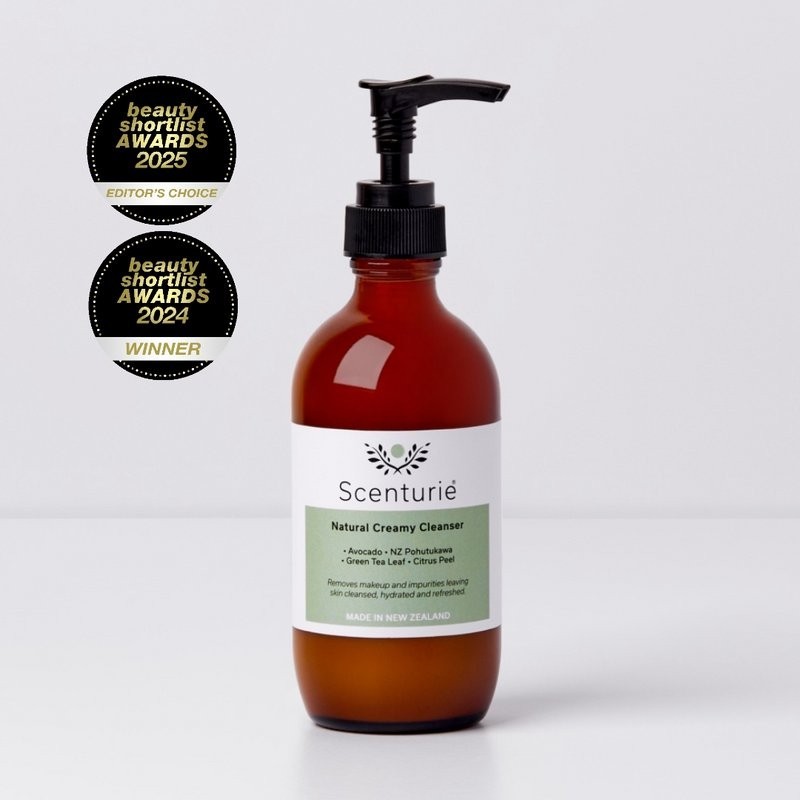
Natural Creamy Cleanser | 195mL — $60
Free from animal greases, harsh foaming agents, and mineral oils. Infused with soothing native New Zealand Pōhutukawa Bark and Green Tea to wash away makeup, sunscreen, and daily grime while leaving your skin calm and nourished.
Step 2: Smooth & Firm
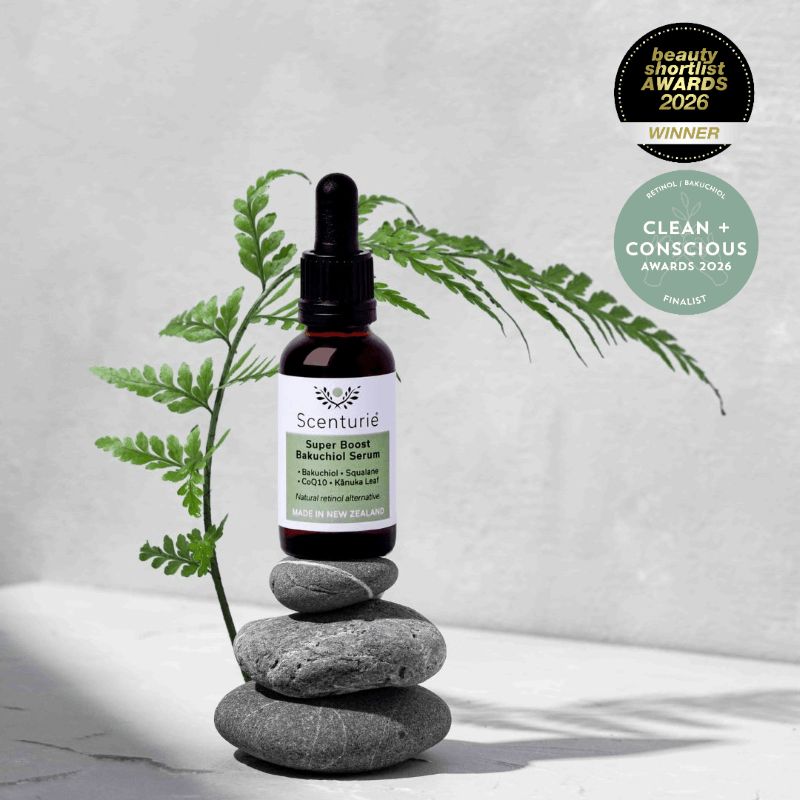
Super Boost Bakuchiol Serum | 30mL — $72
Your botanical alternative to harsh synthetic retinol and animal collagen. Packed with pure Bakuchiol and nutrient-rich Cacay Oil to smooth expression lines, improve firmness, and bring back a healthy, youthful glow.
Step 3: Deep Nightly Hydration
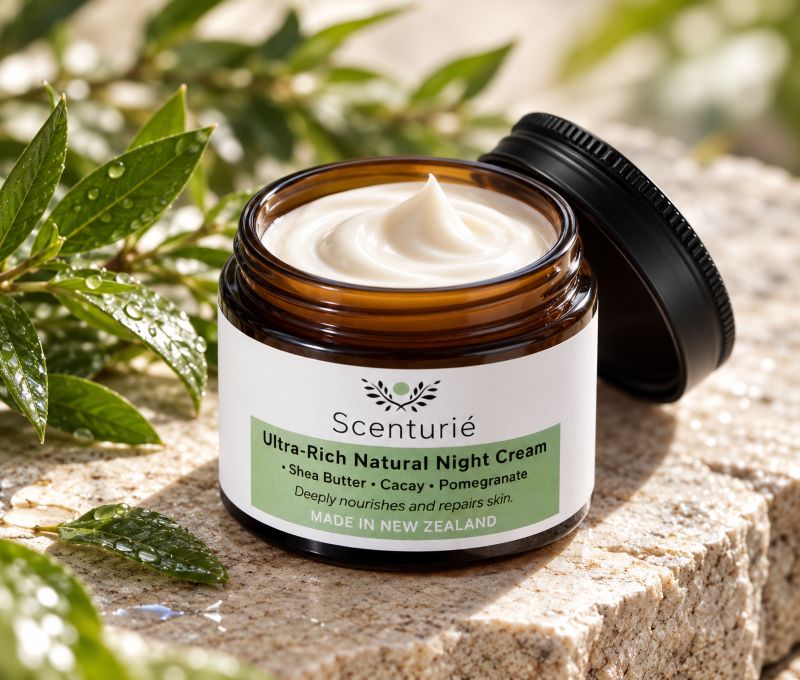
Ultra-Rich Natural Night Cream | 2026 Triple Gold Winner | 60mL — $60
Crafted with vegan plant hyaluronic acid, olive squalane, and unrefined raw shea butter. It wraps dry, mature, or sensitive skin in rich, comforting moisture so you wake up with soft, plump skin every morning.
Shop Ultra-Rich Natural Night Cream →
Lightening Your Daily Chemical Load
Your skin absorbs much of what you put on it. Because raw animal fats spoil quickly and carry an unpleasant scent, conventional formulas often add heavy synthetic fragrances, chemical stabilisers, and harsh preservatives (like parabens and phthalates) to mask them.
These synthetic additives can act as hormone disruptors, upsetting your body’s delicate internal balance over time.
Choosing 100% plant-based formulas with clean, food-grade preservatives lowers the chemical load you carry each day. It gives your skin a breather, letting its natural repair systems do what they were born to do.
A Kinder Choice for New Zealand & Australia
Commercial livestock farming places a heavy burden on our environment—from massive land clearing to high carbon emissions and water use. Bringing those industrial supply chains into your daily self-care ritual is an unnecessary footprint.
Switching to botanical skincare is a practical, positive way to care for your skin and the world around you.
At Scenturie, our environmental promise is simple and transparent:
100% Vegan & Cruelty-Free: Never tested on animals, and no animal ingredients—ever.
Free From Unsustainable Palm Oil: Protecting native rainforests and endangered wildlife habitats.
Circular Glass Jars & Bottles: Infinitely recyclable amber glass supported by our local refill and return system across New Zealand.
How to Switch (Without Throwing Everything Away)
You don’t have to empty your bathroom cupboards into the bin today. Real, lasting change is easiest one simple step at a time:
The “One-In, One-Out” Rule: When your current face wash or lotion runs out, simply replace it with an ethical, 100% plant-based option.
Prioritise Leave-On Products First: Cleansers wash down the drain in seconds. Focus first on the products that sit on your face all day or night—like your serum, face oil, and night cream—where pure plant nutrients do their best work.
Check the Fine Print: Look past generic “cruelty-free” bunny logos. Check the label for telltale animal fats like stearic acid, lanolin, tallowate, and carmine.
Frequently Asked Questions
Does vegan skincare really work as well as traditional products?
Yes—and often much better. Your skin doesn’t need animal tissue to rebuild itself; it needs biocompatible vitamins, essential fatty acids, and water-binding hydration. Plant oils and extracts share a structure remarkably close to your skin’s natural oils, meaning they sink in easily to repair your moisture barrier rather than just sitting on top.
Will rich botanical oils cause breakouts?
Not when they are clean, lightweight seed oils. Heavy animal fats like beef tallow and lanolin form a waxy seal that traps sweat and bacteria. In contrast, pure plant oils like Jojoba, Rosehip, and Cacay let your skin breathe, helping balance your natural oil levels without clogging pores.
Does “Vegan” always mean a product is natural?
Not always! Many commercial brands sell products made from synthetic chemicals or petroleum derivatives that contain no animal products, allowing them to carry a “vegan” label. At Scenturie, our standard is 100% Vegan AND 100% Naturally Derived. We leave out synthetic perfumes, petroleum fillers, and harsh chemicals, giving your skin pure plant goodness.
Skincare That Makes You Feel Good Inside and Out
You should never have to choose between skincare that delivers real results and skincare that reflects your heart. By swapping heavy animal fats and petrochemicals for living, biocompatible plants, you give your skin the gentle, radiant care it deserves—and help build a kinder world while you’re at it.
Helpful Guides & Natural Care
Learn about our native plants: Read The Science of NZ Native Skincare Botanicals →
Find the right routine for your skin: Explore The Science of Glow: Find Your Best Skincare Routine →